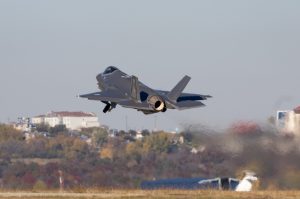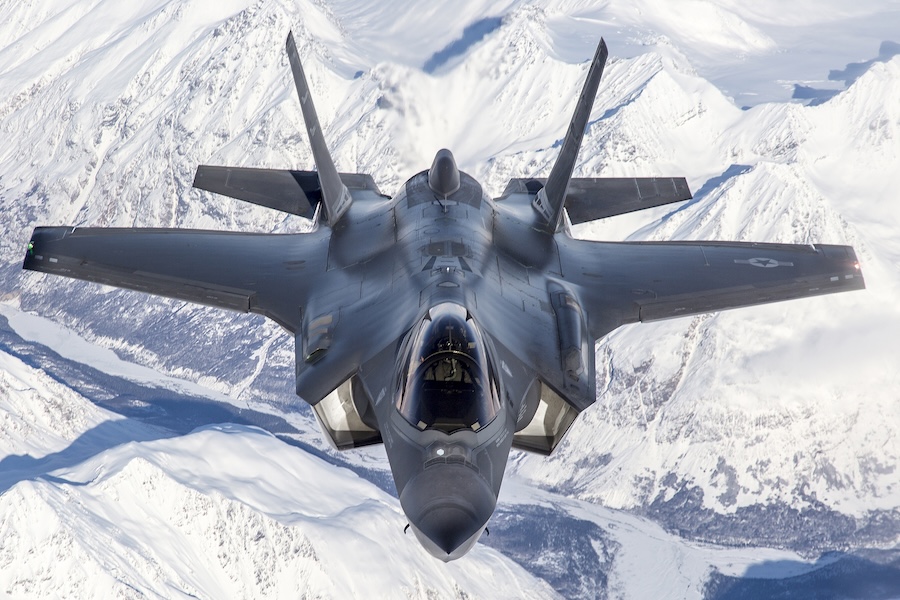

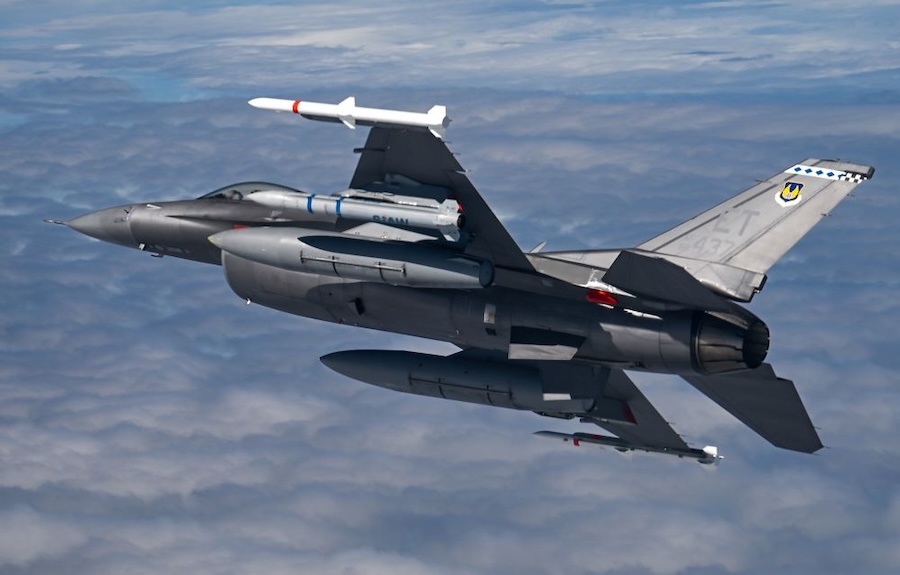
The company said safe separation from the F-16 marks a significant step for the missile and highlights the maturity of its design. According to the programme team, the event supports ongoing work to align SiAW with future operational needs.
Col. Gary E. Roos, senior materiel leader at the Air Force Life Cycle Management Center, said: “The separation test of SiAW from the F-16 is intended to provide the United States Air Force validation of the weapon’s safe separation characteristics and also generate invaluable data for optimizing its performance.” He added: “The results can reinforce SiAW’s ability to provide a critical advantage to warfighters in the face of evolving threats.”
Chuck Johnson, vice president for advanced weapons at Northrop Grumman, said: “This milestone is a key step forward for the SiAW program.” He continued: “With the insights from the separation test, we will continue missile development and ultimately, deliver a critical capability to the warfighter. Our work ensures the U.S. Air Force will have a highly survivable precision strike weapon that will meet current and future mission needs.”
SiAW is an air-to-ground strike missile built to engage time-sensitive, high-value targets in contested areas. It extends the Air Force’s target set to include heavily defended land sites, using digital engineering and open architecture interfaces to support rapid subsystem upgrades.
Northrop Grumman positions SiAW within its wider portfolio of advanced weapons, which includes armaments, components, missiles, electronics and interceptors. The company says this approach supports faster development cycles and the fielding of enhanced capabilities.