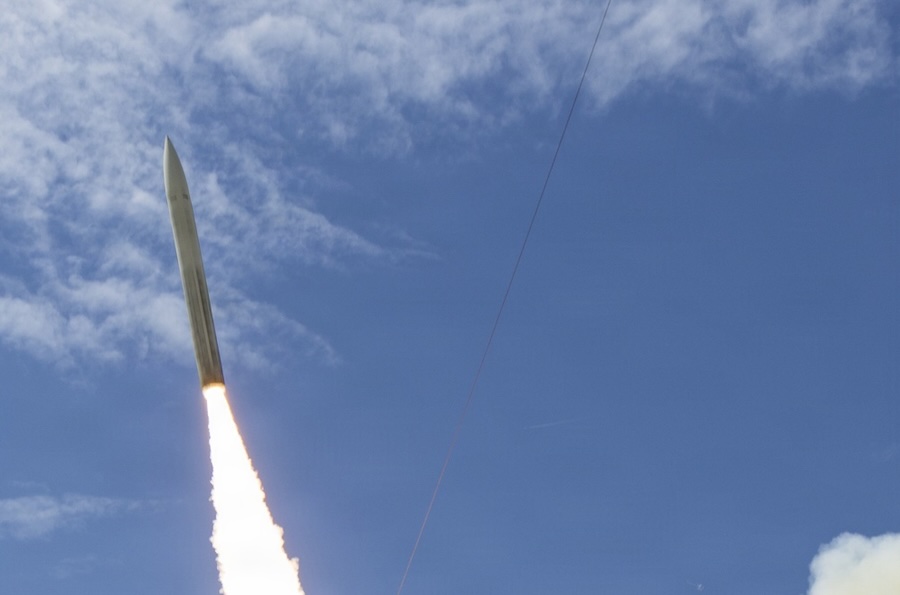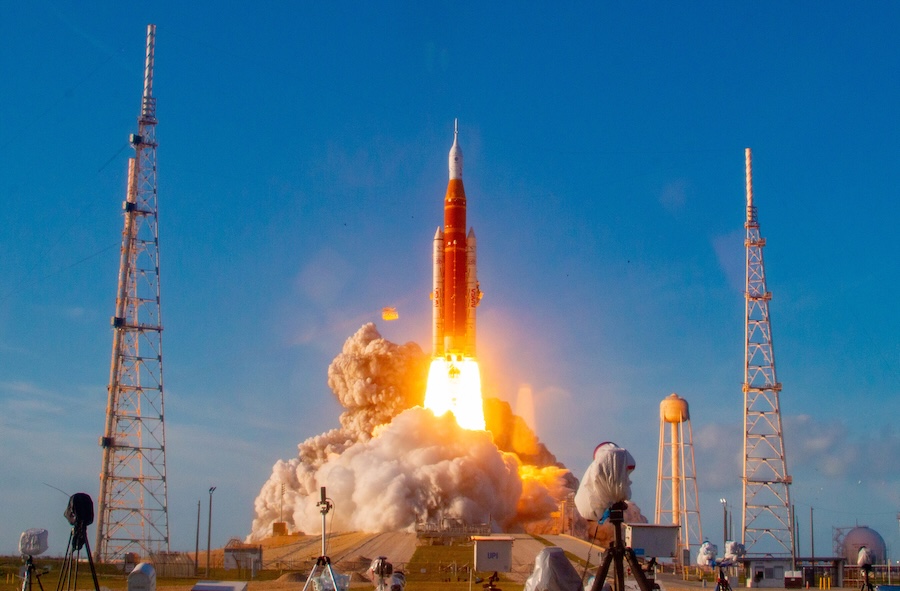

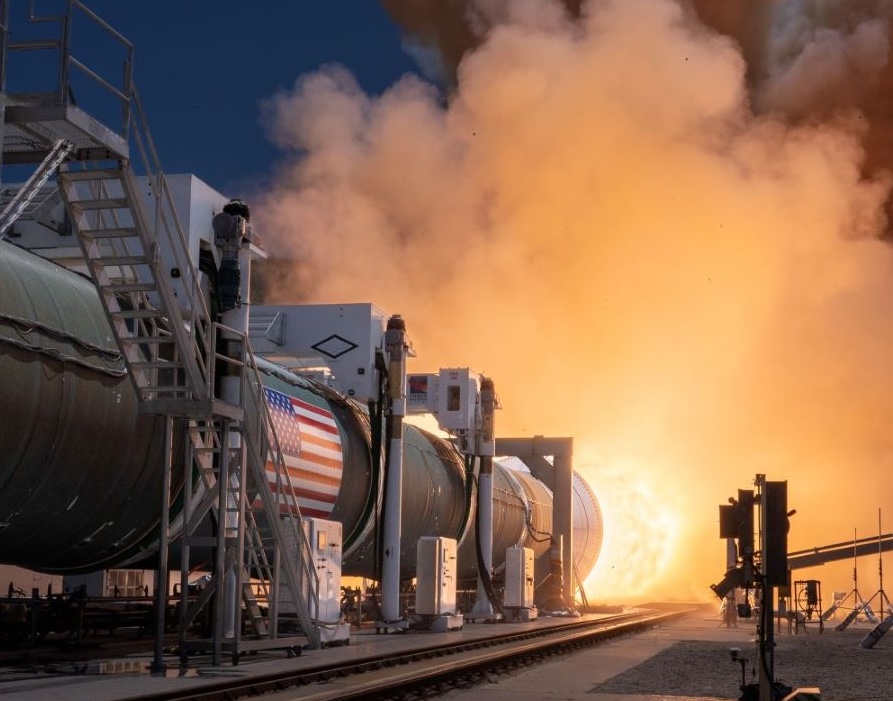
The boosters, standing 177 feet tall and producing 3.6 million pounds of thrust each, are the largest and most powerful solid rocket boosters ever flown on a human spaceflight mission. Derived from the shuttle-era design, they delivered more than 75 percent of total thrust during the successful uncrewed Artemis I mission and will again operate as a matched pair.
Northrop Grumman also provides the attitude control motor and abort motor for the Launch Abort System, which is designed to pull the Orion spacecraft and its crew to safety in the event of an emergency during launch or ascent. This safety system will be active for the first crewed SLS launch.
Jim Kalberer, vice president of propulsion systems at Northrop Grumman, said: “We’ve leveraged our unparalleled manufacturing and solid rocket motor expertise to supply the SLS rocket with 7.2 million pounds of its 8.8 million pounds of total thrust at launch.” He added: “The power and performance the Northrop Grumman-manufactured solid rocket boosters provide the SLS rocket is critical to America’s new age of exploration and building a sustainable human presence in deep space ahead of missions to Mars.”
Artemis II will be the first mission to carry astronauts into deep space in more than 50 years, with a four-person crew conducting an approximately 10-day flight around the Moon. The mission is intended to validate systems and hardware while laying the groundwork for future lunar exploration and crewed missions to Mars.
Beyond Artemis II, Northrop Grumman will continue supporting Artemis missions from launch through deep space operations. The company is also building the HALO module for the Gateway lunar outpost and developing a next-generation solid rocket booster to support future deep space exploration missions.