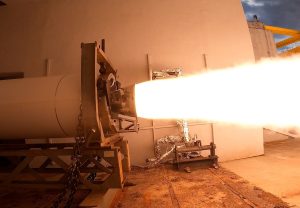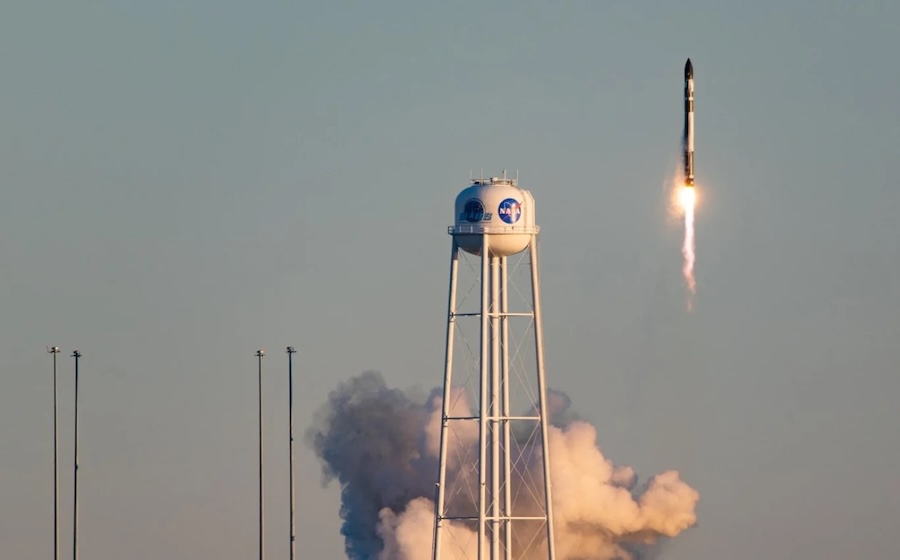



The redesigned target used a decommissioned Peacekeeper ICBM second stage motor supplied through the U.S. Space Force Rocket Systems Launch Programme and met all objectives set for the test event. According to the company, the use of digital tools improved safety and end-to-end testing while reducing field execution time by 25 per cent during Pathfinder operations ahead of the maiden launch.
The programme relied on an integrated digital ecosystem, including a digital twin of the target vehicle, virtual reality pathfinders to plan factory integration and stacking, and augmented reality to shorten mechanical assembly during interstage integration. These technologies were used to identify and resolve potential issues before physical operations began, supporting efficiency gains across manufacturing, testing and integration.
Robin Heard, director of targets and interceptors at Northrop Grumman, said: “By embedding digital technology into every phase of the ICBM target redesign and new integration processes, we have streamlined field operations, enhanced operational safety and driven cost-effectiveness for our customers. The significant efficiencies identified during the redesigned target’s first pathfinding and maiden launch will positively impact future flight tests.”
ICBM target vehicles are threat-representative ballistic missiles used by the Missile Defense Agency to assess national missile defence systems, and Northrop Grumman has delivered 27 such vehicles and supported 12 successful launches since 2011. The new target uses a repurposed Peacekeeper SR119 solid rocket motor as its first stage, offering improved range, apogee and payload capacity and compatibility with advanced front ends to replicate sophisticated long-range ballistic missile threats.
The company said it continues to focus on cost-effectiveness by reusing decommissioned motors from discontinued programmes and drawing on common avionics and adaptable kits. These elements can be rapidly configured to meet specific customer requirements when representing potential adversary threats in missile defence testing.