
Gen. Michael Guetlein, director of the Golden Dome program, said the increased funding will support faster development of several space technologies central to the initiative. These include the Hypersonic and Ballistic Tracking Space Sensor, the U.S. Space Force’s data transport layer, and space-based air moving target indicator capabilities.
“We were asked to accelerate some space capabilities to move the current program schedules from the right to the left,” Guetlein said at the McAleese & Associates Defense Programs Conference on March 17. “They gave us $10 billion extra to accelerate those capabilities with the United States Space Force.”
The Golden Dome system is envisioned as a large network of sensors, satellites, and interceptors designed to defend the United States from missile threats. During a White House briefing last May, President Donald Trump said the project would cost $175 billion and provide an initial operational capability by 2028.
Independent analysts have projected significantly higher costs for the program. Todd Harrison of the American Enterprise Institute has estimated the total price could range from $250 billion to $2.4 trillion, while the Congressional Budget Office has suggested a potential cost of $542 billion.
Guetlein said many of those external estimates rely on incorrect assumptions about the program’s design, much of which remains classified. “I would say the biggest difference between what they are estimating and what we are building is they’re not estimating what I’m building,” he said.
“They’re estimating a very large, complex capability, fully integrated, using technologies that we currently use to fight the away game,” Guetlein added. He declined to provide additional details about the system’s architecture or the cost of specific components such as space-based interceptors.
The general said controlling costs remains one of his primary priorities as the program develops. He noted that some elements of homeland missile defense can be more affordable because the Pentagon can reuse existing infrastructure and communications networks.
According to Guetlein, systems designed for domestic defense do not always require the same level of hardening used in overseas combat environments. This approach could help reduce development and operational costs.
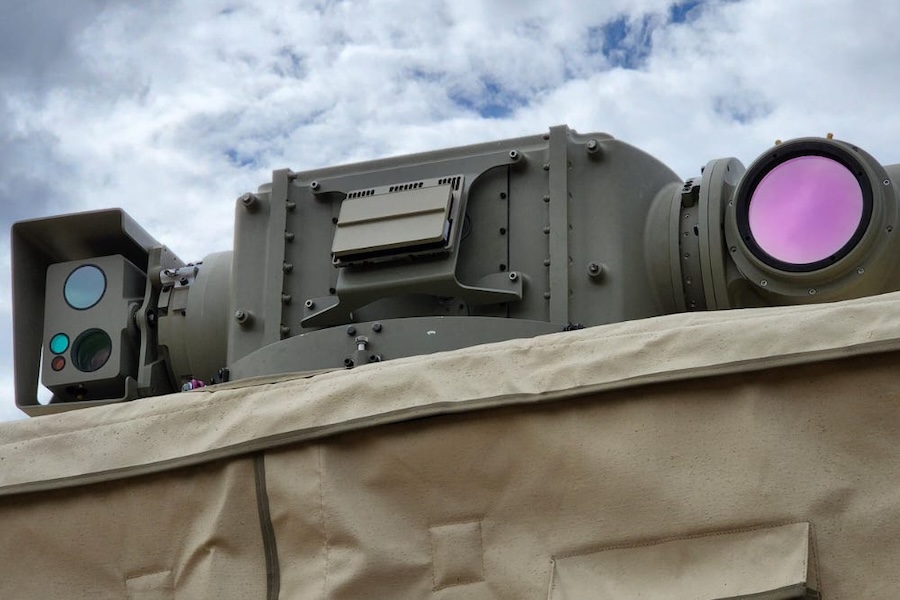
However, the Pentagon is also exploring advanced technologies to lower the long-term cost of missile interception. These include directed energy systems, artificial intelligence, and advanced data processing technologies.
“We’re working really closely with the national labs and with the Director of Research and Engineering to bring to bear some of that next-generation tech to drive down that cost per kill and drive up the magazine,” Guetlein said.
The Defense Department currently has approximately $23 billion available to begin initial Golden Dome development work. The funding was approved by Congress under last year’s One Big Beautiful Bill Act.
In a report accompanying the fiscal year 2026 appropriations legislation, lawmakers criticized what they described as limited transparency surrounding the program. Members of Congress said they had not received sufficient information about the project’s cost projections, schedule, and performance metrics.
Guetlein said he has been working to address those concerns through detailed briefings to lawmakers. “I have personally briefed all six committees numerous times on everything that we’re doing on Golden Dome, to include the detailed costs of what Golden Dome is going to cost,” he said.
He added that the program’s funding process remains closely coordinated with other government agencies. “All of the funding for Golden Dome under reconciliation has flowed, and we’ve got a very close partnership with OMB and NSC on execution of those funds.”
Source: Air & Space Forces Magazine.