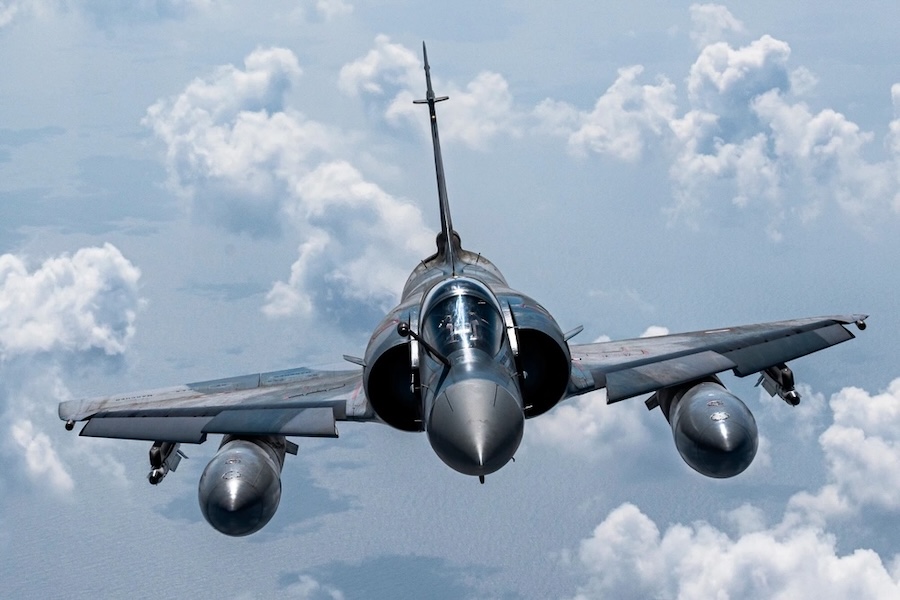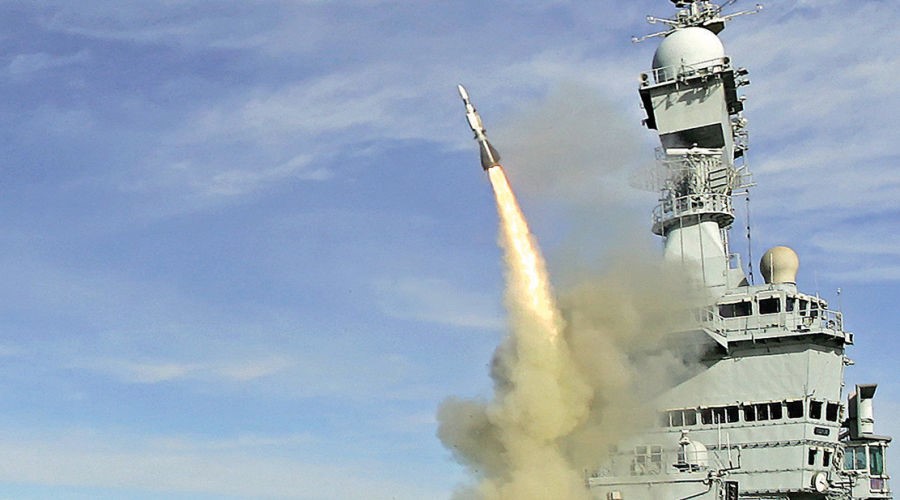


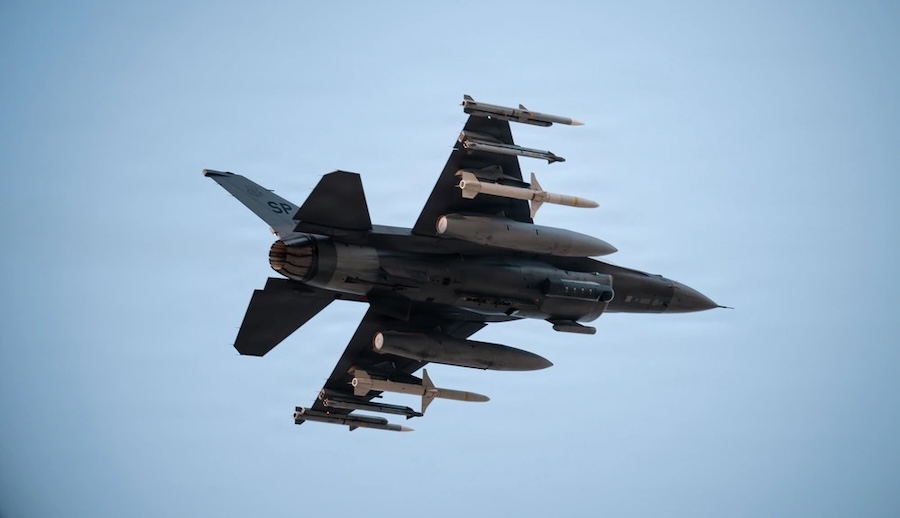
Petraeus made the assessment during an interview when asked about comments from Defense Secretary Pete Hegseth regarding increased U.S. firepower over Tehran. He said expanded operational freedom now allows a broader range of aircraft to participate in strikes.
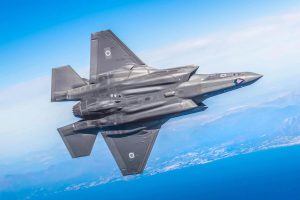
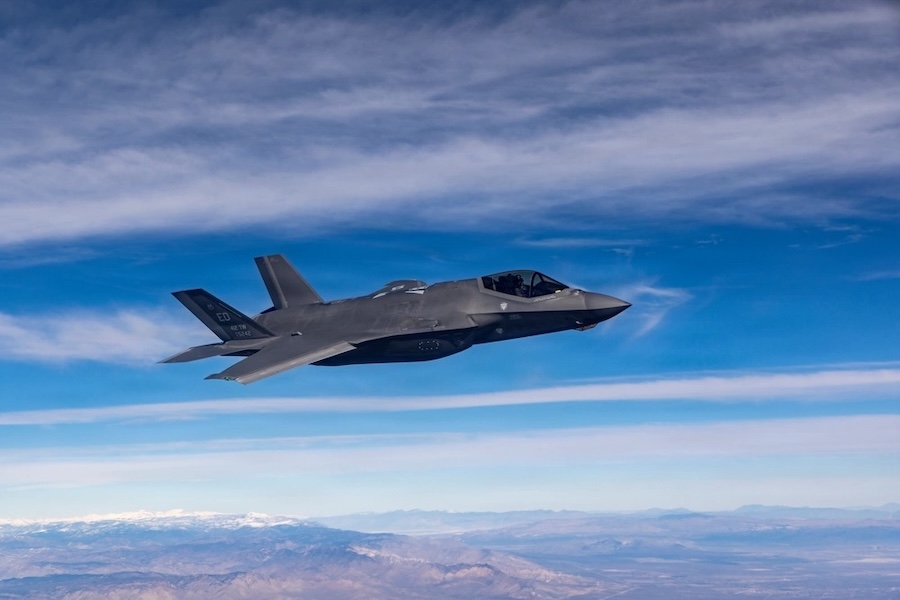
“Well, what it looks like is that we now have the ability to fly not just stealth fighter bombers, F-35 and B-2 stealth bombers, but also the real workhorses that can carry enormous payloads, the B-52s and the B-1s,” Petraeus said.
He added that Iranian air defense systems no longer pose the same level of threat to U.S. aircraft operating at higher altitudes. Petraeus stated: “We’re not concerned really at this point in time about the air and ballistic defense of Iran, as long as you stay above heavy machine gun range, and that means you can just really pour it on.”
The retired general said he believes the United States has moved beyond simple air superiority in the conflict. Petraeus said: “I would argue that we actually have air supremacy now, not just air superiority, but I think folks are rightly cautious about those kinds of assessments publicly.”
Pentagon officials have also reported progress in weakening Iranian air defenses during the campaign. Chairman of the Joint Chiefs of Staff Gen. Dan Caine said U.S. forces have already established localized air superiority along Iran’s southern coast.
“This progress has allowed CENTCOM to establish localized air superiority across the southern flank of the Iranian coast and penetrate their defenses with overwhelming precision and firepower,” Caine said. He added: “We will now begin to expand inland, striking progressively deeper into Iranian territory and creating additional freedom of maneuver for U.S. forces.”
According to defense officials, improved control of the airspace has allowed U.S. forces to shift their strike tactics. Operations are increasingly relying on satellite- and laser-guided bombs rather than long-range standoff weapons.
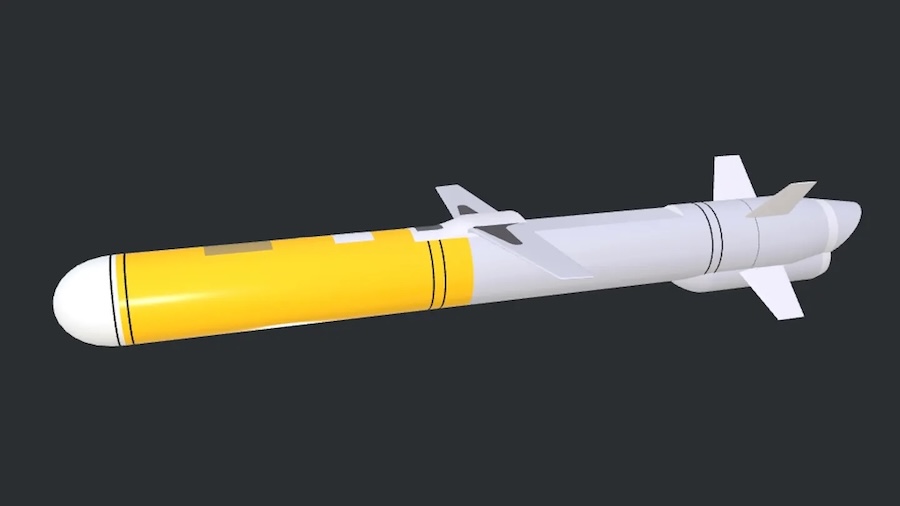
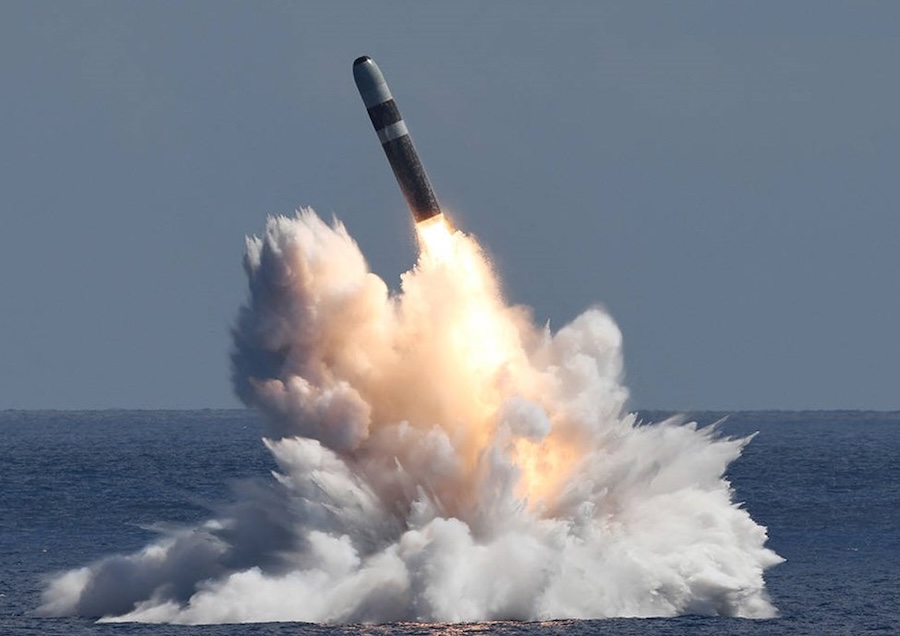
Defense Secretary Pete Hegseth said the campaign initially depended more heavily on high-end standoff munitions. He told reporters: “We used more exquisite standoff munitions at the start, but no longer need to.”
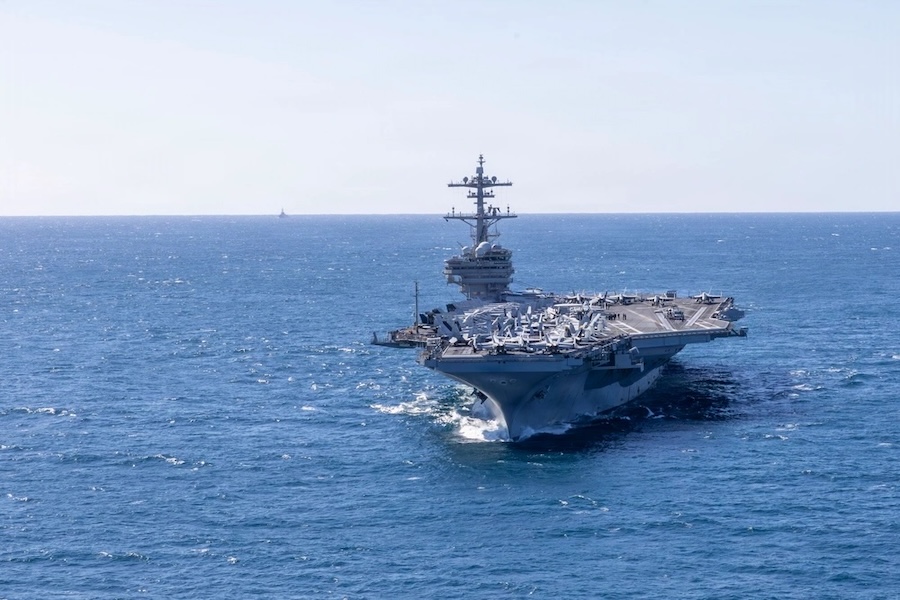
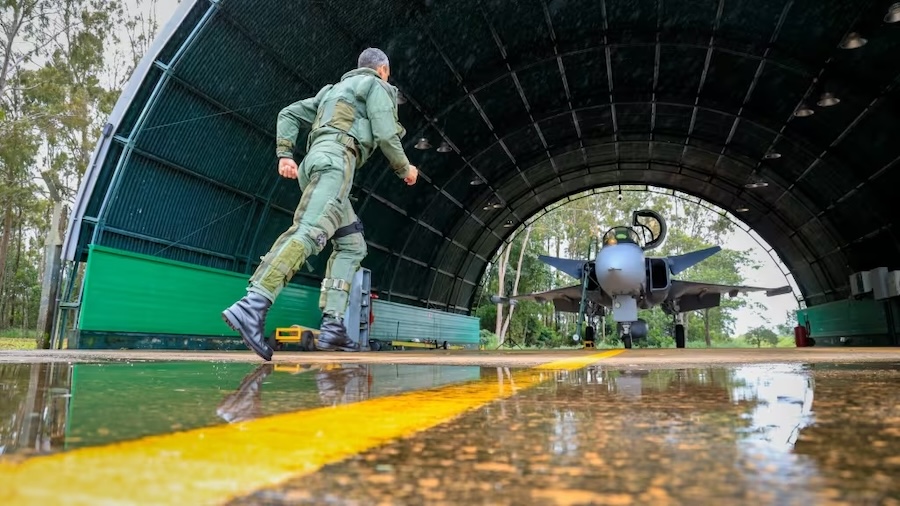
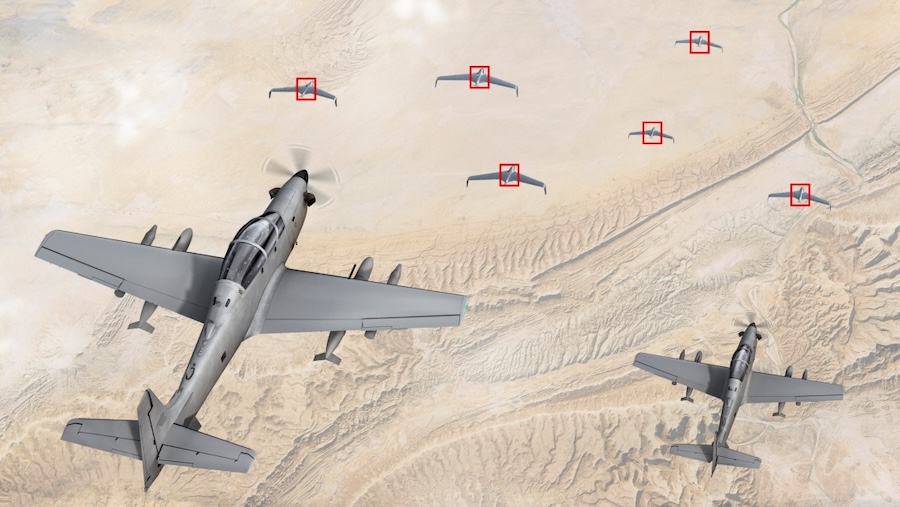
U.S. Central Command has also confirmed the use of MQ-9 Reaper drones in the operation alongside bombers and fighter aircraft. B-1, B-2 and B-52 bombers, as well as various fighter jets, have been involved in strikes against targets across Iran.
Adm. Brad Cooper, commander of U.S. Central Command, said joint U.S. and Israeli forces have significantly weakened Iranian air defenses. He told reporters: “Our combined joint forces have relentlessly destroyed Iran’s air defenses over the past few days, and they’ve continued hunting for more systems to kill.”
Cooper added that the military campaign aims to reduce Iran’s ability to conduct operations beyond its borders. He said: “We are fighting to win through combined U.S. and Israeli combat power. We will continue decimating Iran’s ability to project power outside its borders.”
Petraeus also pointed to signs that Iranian missile attacks may be declining as the conflict continues. He described the situation in terms of what he called “missile math.”
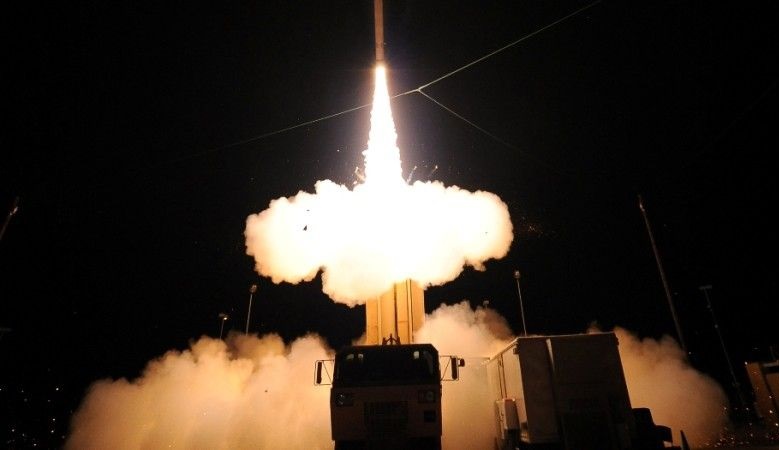
“That is the calculation that’s constantly being done by everyone in the region…that is, how many interceptors do we have left? And how many missiles and really launchers do they have left?” Petraeus said.
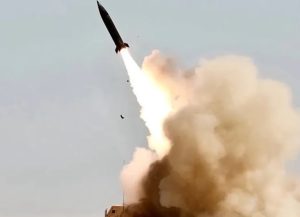
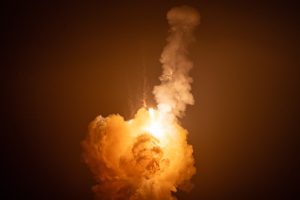
U.S. officials say Iranian missile and drone attacks have decreased since the early days of the conflict. Pentagon data indicates Iranian ballistic missile launches have fallen significantly compared with the first day of fighting.
Despite those developments, the conflict continues to produce casualties. Six U.S. service members were killed when an Iranian strike hit a tactical operations center in Kuwait shortly after the start of the campaign.
Hegseth has said the United States has sufficient munitions to sustain the operation for an extended period. He has also indicated that the military campaign could continue for several weeks if necessary.