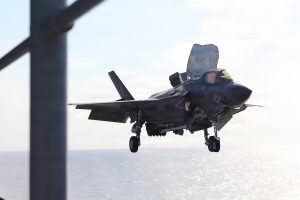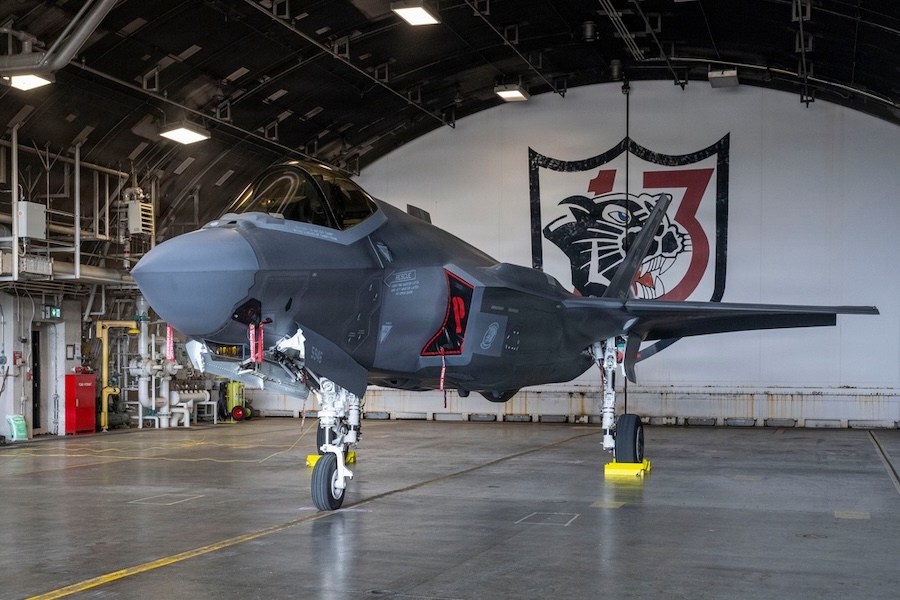


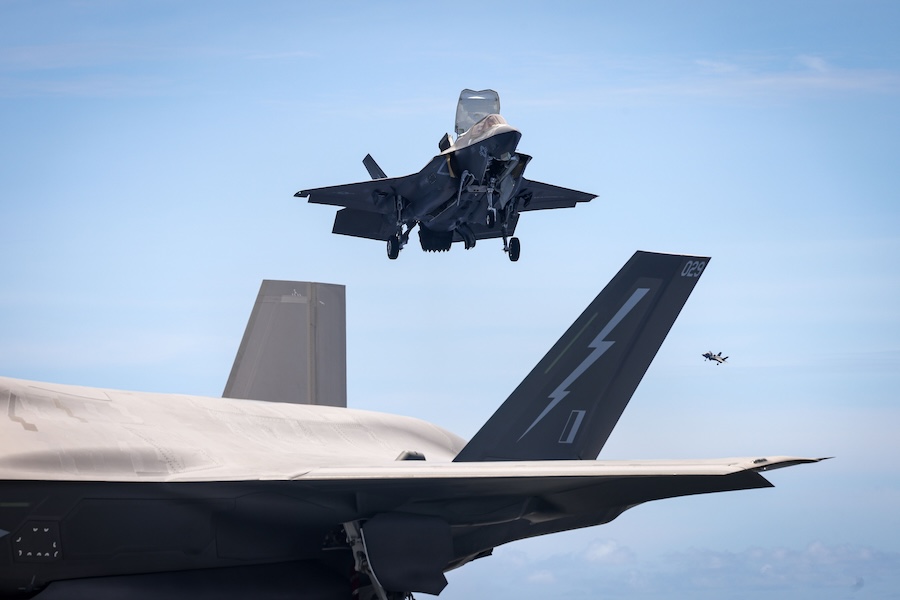
The aircraft were deployed as part of an operation supporting allied forces in the region. Flying from Cyprus and supported by Airbus A330MRTT Voyager aerial refuelling aircraft, the F-35B fighters strengthened Jordan’s defensive capabilities.
During the operation, the aircraft intercepted and destroyed an unspecified number of aerial targets. With this engagement, the United Kingdom joined the United States, Israel and the Netherlands as countries that have used aircraft from the F-35 Lightning II family to neutralise airborne threats.
In February, the United Kingdom redeployed six F-35B Lightning II aircraft to RAF Akrotiri in Cyprus. The base also hosts ten Eurofighter Typhoon fighter jets along with other support aircraft, including two Airbus A330MRTT Voyager tankers.
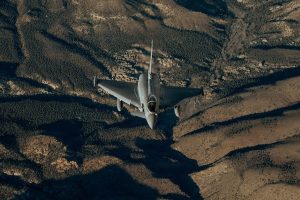
The incident follows another recent engagement involving British military aviation in the region. Earlier, a Eurofighter Typhoon shot down an unmanned aerial vehicle of Iranian origin that was approaching Qatar.
The Ministry of Defence also reported that a counter-drone team deployed in Iraq intercepted and destroyed an unspecified number of unmanned aerial vehicles heading from Iran towards the positions of international forces. These actions were carried out as part of efforts to protect allied personnel and installations.
Amid the worsening security situation in the Middle East, the government in London has also ordered additional deployments to the region. One Type 45 guided-missile destroyer, HMS Dragon, and a small number of Leonardo AW159 Wildcat multirole helicopters have been sent to the eastern Mediterranean.