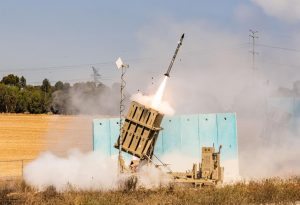


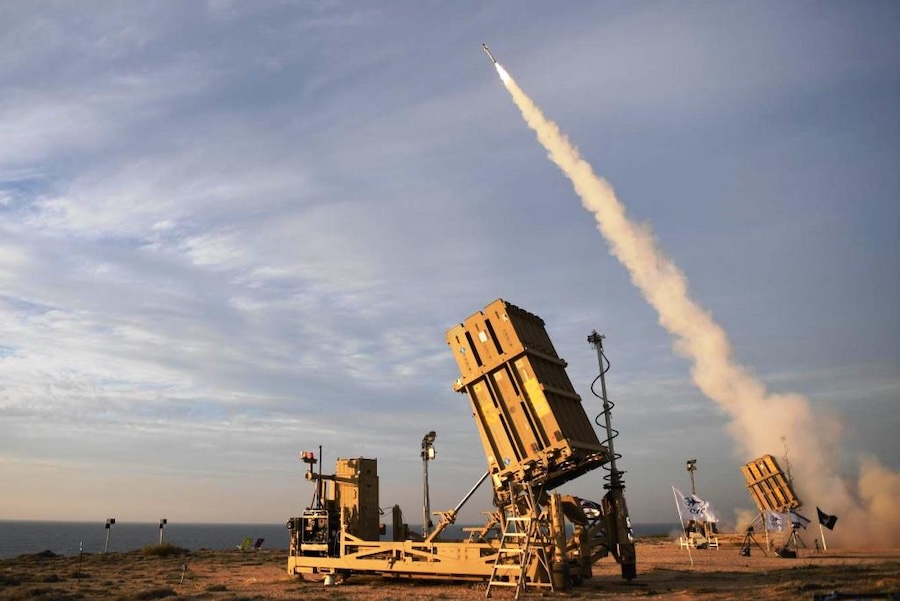
The first successful intercept took place on April 7, 2011, when a rocket launched from the Gaza Strip was neutralised. The event marked a shift in Israel’s defensive approach to countering aerial threats.
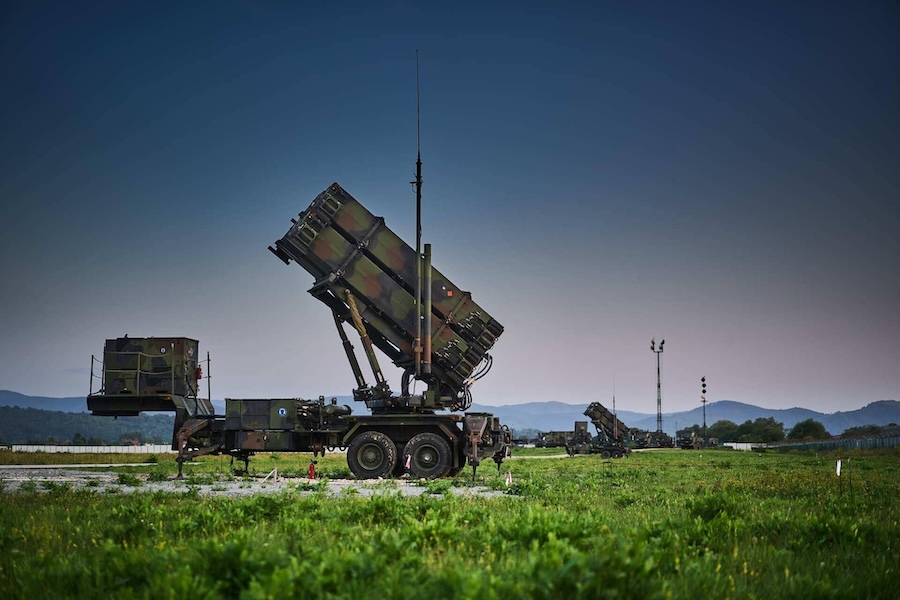
Iron Dome is a short- to medium-range system designed to engage a wide range of targets. These include rockets, cruise missiles, unmanned aerial vehicles and other aerial threats under various operational conditions.
The system is capable of operating in dense threat environments and across all weather conditions. It can function independently or as part of an integrated air defence network.
Over 15 years of service, Iron Dome has conducted more than 10,000 combat intercepts. The system has maintained a reported success rate exceeding 90 percent across multiple operations.
These operations include Protective Edge, Guardian of the Walls, Breaking Dawn, Shield and Arrow, the Swords of Iron War and Operation Roaring Lion. The system has been a key element in protecting Israel’s civilian population during these conflicts.
Iron Dome was developed in approximately two and a half years. Its modular design allows integration with other defence layers and continued adaptation to evolving threats.
Rafael said the system’s performance reflects ongoing cooperation with Israel’s Directorate of Defense Research and Development and the Israel Air Force. Continuous upgrades have been implemented based on operational experience.
The system has also attracted international interest. The United States Marine Corps has selected Iron Dome to enhance its own air defence capabilities.
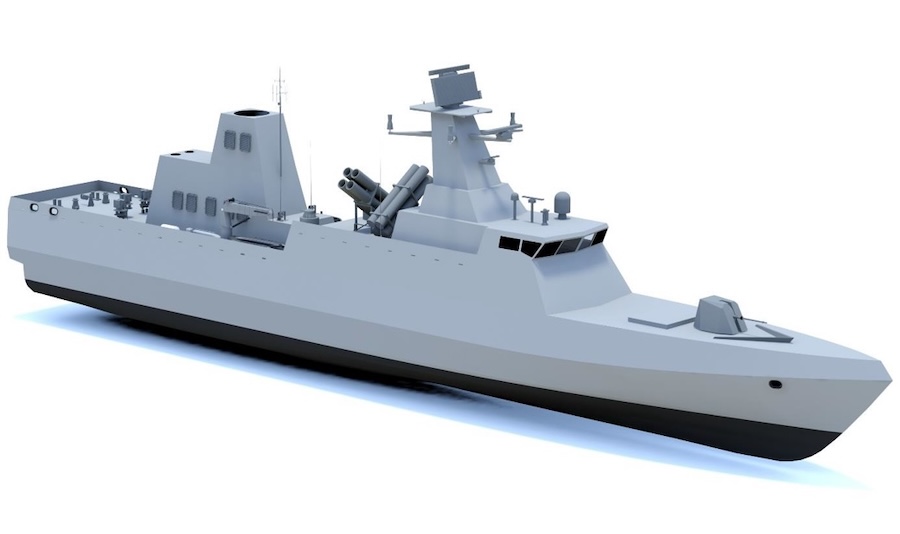
The Iron Dome family has expanded into the naval domain through the C-Dome system. It became operational in 2017 and conducted its first intercept in April 2024 aboard Sa’ar 6 corvettes.
Yuval Steinitz, chairman of Rafael, described the system’s significance. “Beyond being the best and most reliable intercept system in the world, Iron Dome is the only one capable of engaging rockets and missiles across short and medium ranges — and doing so at a cost that makes large-scale deployment feasible,” he said.
“It reflects the scientific and technological superiority of the State of Israel, and of Rafael’s scientists and engineers in particular,” Steinitz added. He said the system has played a major role in shaping modern air defence.
Steinitz also highlighted its operational impact. “Over the past 15 years, the system has changed the face of the battlefield and shielded Israel’s civilians from relentless threats coming from multiple adversaries,” he said.
“Iron Dome is a first-order strategic asset and a central pillar of Israel’s national defense doctrine,” he added. He noted that the system has become widely recognised internationally.
Yoav Tourgeman, CEO of Rafael, said the system continues to evolve. “After 15 years of operational activity — and all the more so in these days of intense fighting across every front — Iron Dome continues to prove itself day after day, under complex conditions and against shifting threats,” he said.
“It would be no exaggeration to say that tens of thousands of Israelis owe their lives to this invention of Rafael’s finest minds,” Tourgeman added. He emphasised the system’s role in protecting the population.
Tourgeman said ongoing upgrades have enhanced performance over time. “We continuously update and upgrade its capabilities — and there is no doubt that what it can do today, across the full spectrum of threats it faces, exceeds what it could do when it was first handed over to the IDF 15 years ago by an order of magnitude,” he said.
The system has also become a widely recognised symbol in Israel. Its name is used as a general term for defensive protection in both public discourse and cultural references.
Rafael said Iron Dome remains a key component of Israel’s defence strategy. The system continues to operate in active conditions while adapting to new and evolving threats.