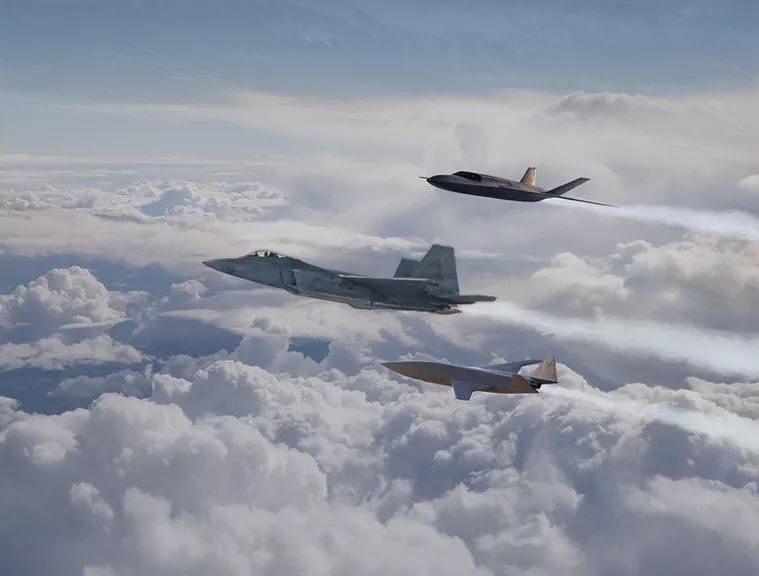



The report also highlights the development of the B-21 Raider, which is intended to serve as a next-generation stealth bomber for nuclear missions and as part of a wider conventional family of systems. Congress is responsible for authorising funding and conducting oversight of bomber development, acquisition, maintenance, personnel and the nuclear weapons carried by the fleet.
According to the report, the role of U.S. bombers has changed significantly over time, beginning with large-scale production and conventional bombing campaigns during the Second World War. It notes that, in August 1945, US B-29 bombers delivered the “only nuclear weapons ever used in combat” on targets in Japan, acting on orders from President Harry Truman.
During the Cold War, concerns over Soviet bomber capabilities drove increased U.S. defence spending and expansion of the bomber force. The report explains that bombers are now a core element of the Air Force’s air superiority mission, providing long-range precision strike capability that supports operations without interference from adversary air and missile threats.
The Congressional Research Service notes that the 2022 Nuclear Posture Review reaffirmed bombers as an essential part of the US nuclear triad, alongside land-based intercontinental ballistic missiles and submarine-launched ballistic missiles. It recalls that the 2018 review described “heavy bombers are the most flexible and visible leg of the triad”, while the 2010 review stated they “can be visibly forward deployed, thereby signaling U.S. resolve and commitment in crisis”.
The report details how the United States has periodically stationed bombers in allied countries, maintained alert status or conducted continuous patrols. Since 2018, Air Force Global Strike Command has carried out Bomber Task Force deployments to allied nations to “assure allies and deter adversaries”, while also expanding operations to a wider range of military and civilian airfields through Agile Combat Employment.
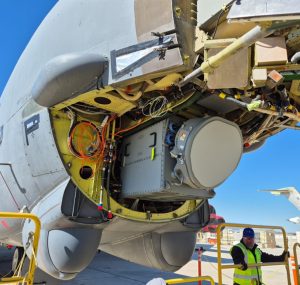
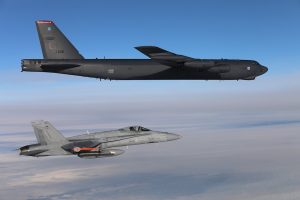
On fleet specifics, the report states that the B-52 entered service in 1955 and can fly 8,800 miles without refuelling while carrying up to 70,000 pounds of ordnance. It adds that the Air Force plans to extend the service life of the remaining 74 aircraft into the 2040s, alongside major upgrades including new engines and a modernised radar, despite a significant cost breach reported in 2025.
The B-1B Lancer, originally designed as the successor to the B-52, was converted to conventional-only missions under arms control agreements in the 1990s. The report notes that the fleet has declined to 45 aircraft and that recent legislation has restricted further retirements while extending sustainment of the type into the next decade.
For the B-2 Spirit, the report emphasises its stealth design, nuclear capability and ability to carry both conventional and nuclear gravity bombs. It also highlights ongoing modernisation, including a contract awarded to Northrop Grumman to maintain and improve stealth, communications and other systems through 2029.
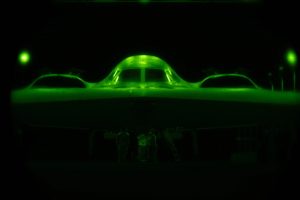
The B-21 Raider is described as a dual-capable penetrating bomber with an open systems architecture designed to allow faster software upgrades. The Air Force plans to acquire at least 100 aircraft, with testing already exceeding 200 sorties and significant funding requested for continued development and early production.
Finally, the report outlines potential issues for Congress, including decisions on fleet size, future procurement levels and the strain placed on ageing aircraft by high operational tempo. It also raises questions over re-alerting bombers, base hardening and infrastructure investment, which lawmakers may consider as part of future defence authorisation and appropriations decisions.
Source: Congressional Research Service (CRS).