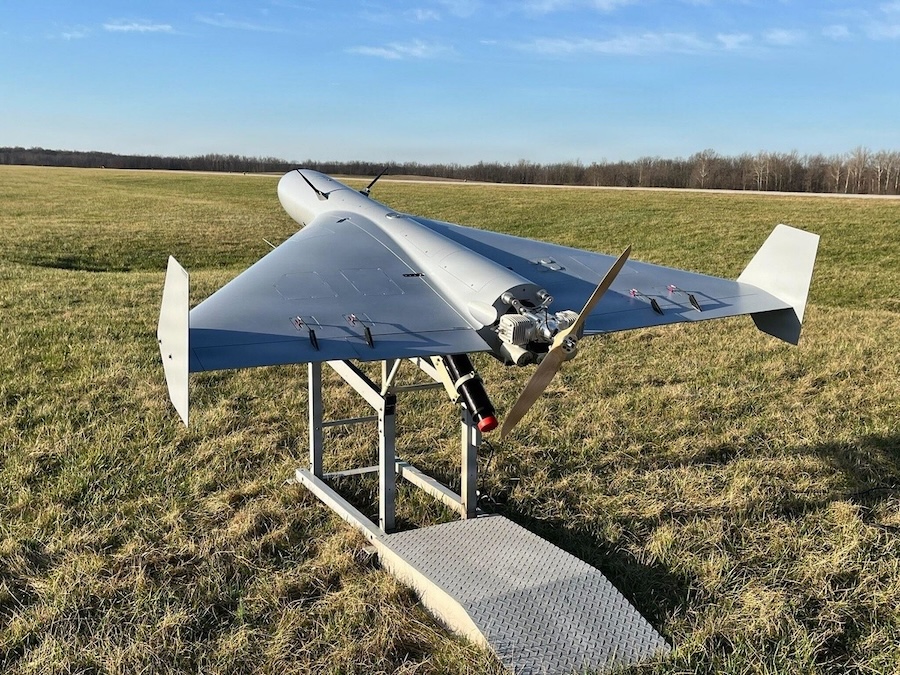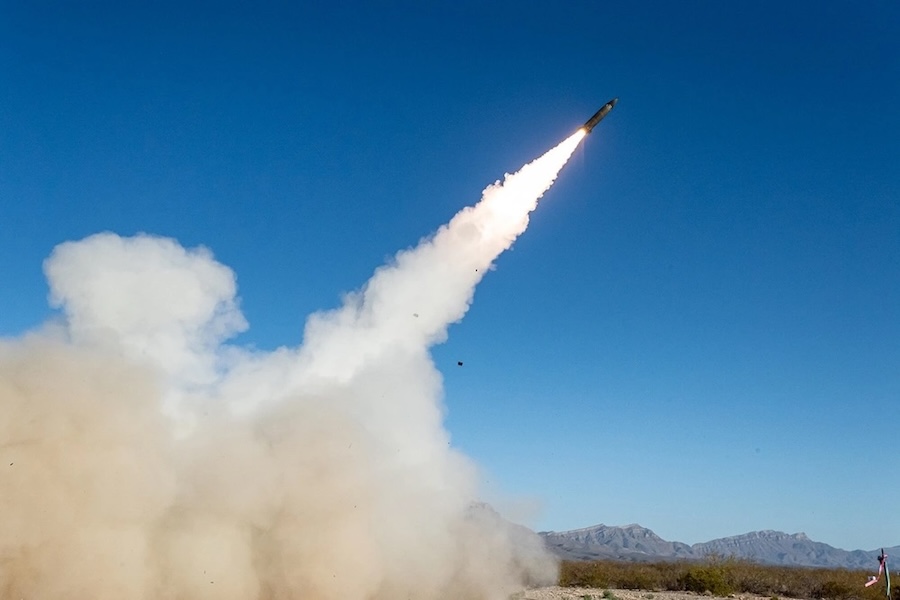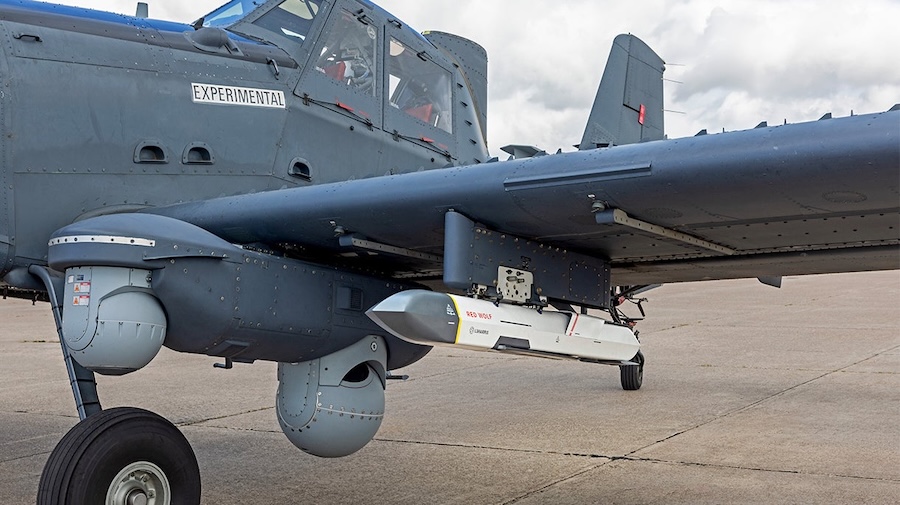

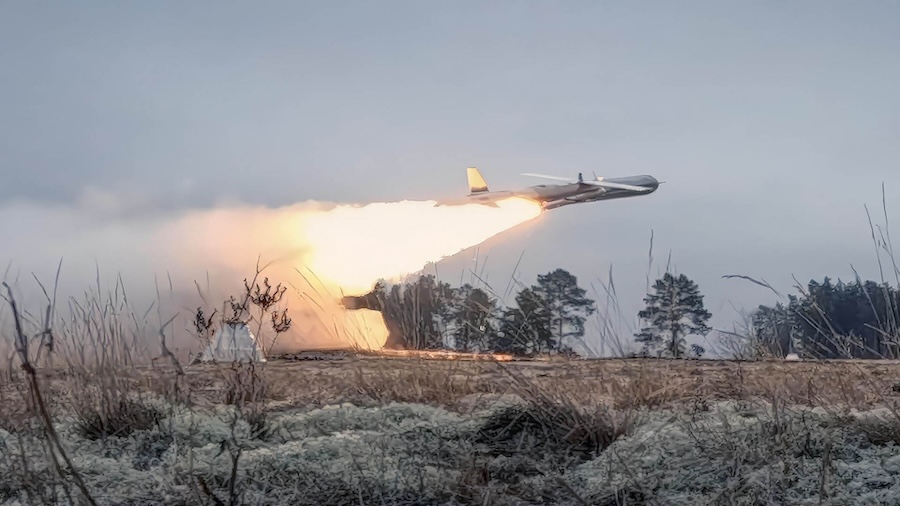
The joint venture will manufacture, market and deliver advanced missile systems. These will include cruise missiles and ballistic rocket artillery for European and allied customers.
Rheinmetall will hold a 51 percent stake in the new company, while Destinus will own the remaining 49 percent. The partnership is intended to expand industrial capacity and address growing demand for modern strike systems.
Both companies aim to further develop missile technologies and exploit market opportunities. The collaboration is also expected to strengthen their existing product portfolios within approved markets.
Destinus will remain headquartered in the Netherlands and continue to develop and produce core components across its European footprint. The joint venture will add Germany-based qualification and serial production capabilities within Rheinmetall’s industrial facilities.
Armin Papperger, Chief Executive Officer of Rheinmetall, said: “We must expand the industrial base for modern defence systems in Europe. This joint venture reflects this necessity. We are combining Rheinmetall’s production capacities and experience in managing large-scale programs with Destinus’s specific technology and system design. By doing so, we are laying the foundations for scalable, operational missiles that are tailored to the current requirements of the European and allied armed forces.”
Mikhail Kokorich, co-founder and Chief Executive Officer of Destinus, added: “Europe is entering a new phase of scaling missile production. Modern conflict is defined by volume and cost-per-effect. Missile systems are evolving from limited-production assets into industrial products. The real constraint in Europe today is not demand, but industrial capacity.”
The companies said recent conflicts, including those in Ukraine and the Middle East, have demonstrated increasing demand for large quantities of strike systems. This demand is expected to grow from thousands of units annually to potentially tens of thousands over time.
Destinus contributes system architecture, product design and scalable platform development, including systems already operationally validated and used in Ukraine. Rheinmetall brings experience in large-scale defence manufacturing, qualification processes and industrial production capacity.
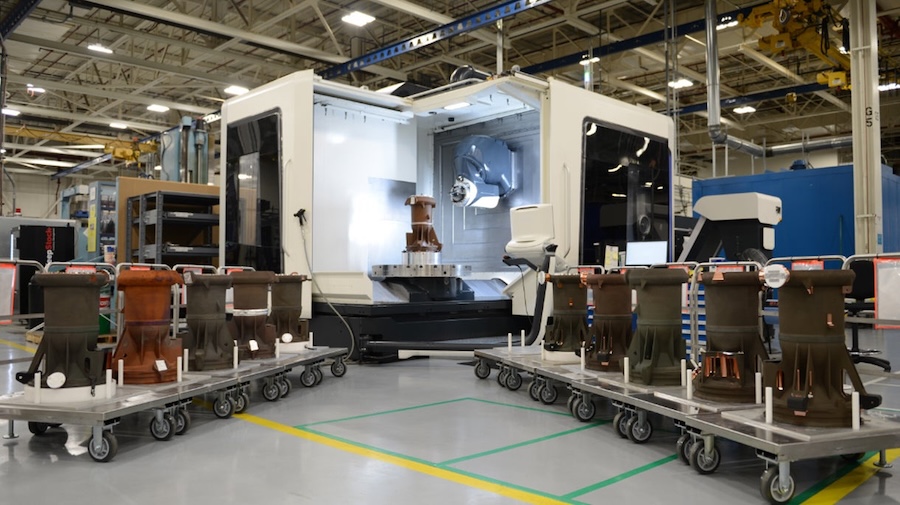
The joint venture will focus on manufacturing, assembling, testing and delivering advanced cruise missile systems. It is also intended to accelerate the delivery of missile systems designed to meet national and international requirements.
The partnership will target markets across Europe and selected NATO countries. It may also involve local industrial partners in key markets to support sales and long-term growth.
The initiative reflects a broader shift in modern warfare towards scalable, high-speed strike systems. Rheinmetall and Destinus said the venture aims to align European industrial output with growing operational requirements.