“We are delighted to be bringing advanced manufacturing in Canada, which will leverage Canadian mined iron ore, and our domestic steel production to produce ballistic steel,” stated Roman Shimonov, CEO of Roshel. “This is an excellent, new collaboration between Sweden and Canada. We are keen to advance bilateral cooperation, such as this project,” added Hans Bergman, Chairman of the Board of Swebor.
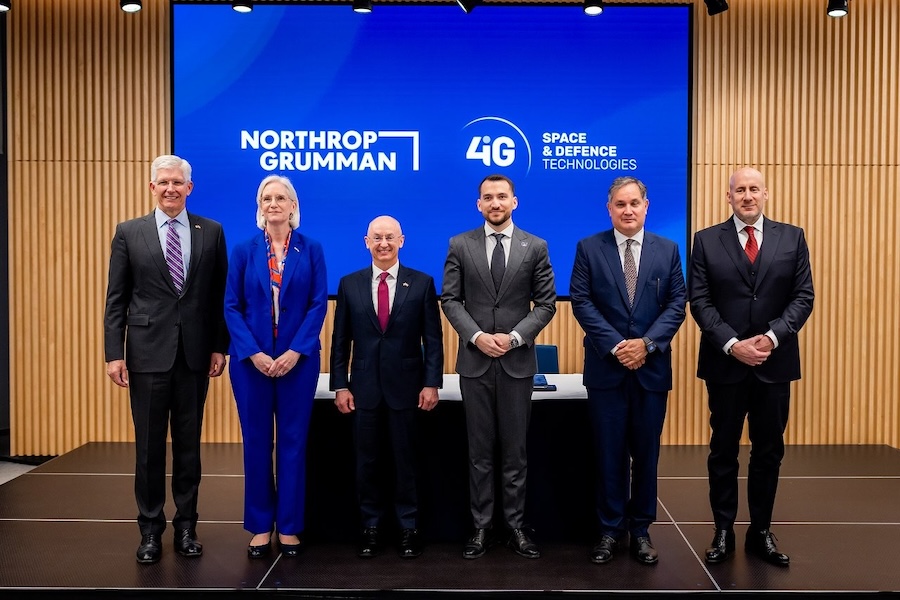
The signing was attended by the Honourable Mélanie Joly, Minister of Innovation, Science and Industry of Canada, highlighting government support for the project. She said: “This new partnership between Roshel and Swebor to produce ballistic-grade steel showcases Canada’s world-renowned capabilities—from mined iron ore to domestic steel production to advanced manufacturing. It’s creating good-paying jobs and reinforcing our economic security. At this pivotal moment of global transformation, we’re working hand-in-hand with industry and European partners to build a stronger, more resilient economy.”

The project will create skilled employment, introduce advanced technologies, and generate significant economic benefits within Canada’s industrial base. Although other forms of steel manufacturing exist domestically, this will be the first facility dedicated solely to ballistic-grade steel production.
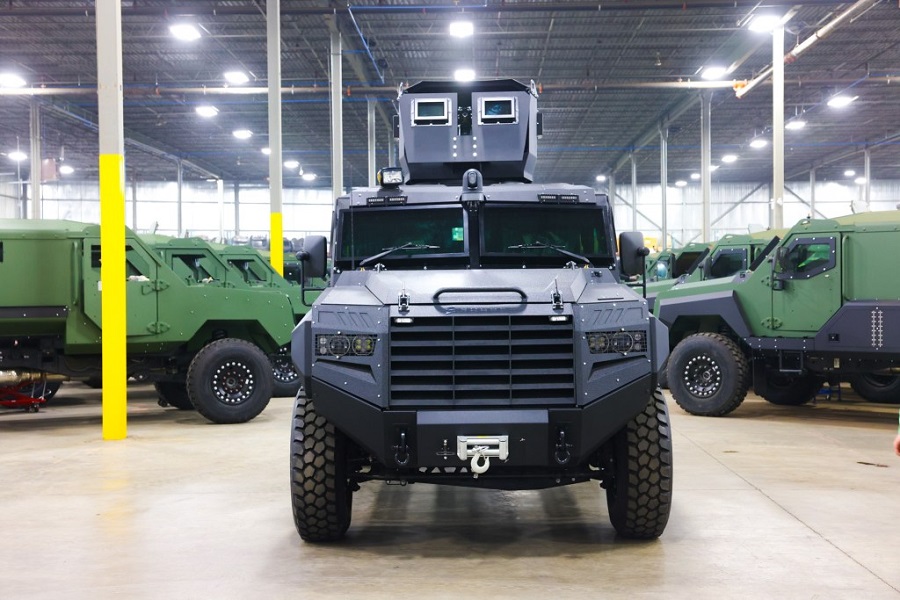
“This project goes beyond steel – it is about establishing industrial sovereignty. By bringing ballistic steel production to Canada, we are reducing a critical dependency, protecting our supply chain, and laying the groundwork for long-term resilience in the defence and manufacturing sectors,” said Shimonov. He noted that Roshel’s armoured vehicle programmes, including the Light Utility Vehicle and Defence Arctic Mobility Enhancement projects, require large volumes of ballistic steel, which the new facility will help provide.
Hans Bergman emphasised the broader benefits of the partnership, saying: “Our partnership with Roshel demonstrates a shared commitment to innovation and self-reliance. This facility will not only meet Canada’s strategic needs but also exemplify how allied nations can collaborate to enhance their industrial capabilities.”
The Honourable Stephen Fuhr, secretary of State (Defence Procurement), also underlined the project’s importance, stating: “As Canada looks to reinvigorate our domestic defence industry, this landmark international partnership will allow Canadian steel to be used as a key component in advanced defence manufacturing. By combining Canadian natural resources with Swedish expertise, this initiative will secure our supply chains, create good-paying jobs for Canadians, and drive innovation across the broader defence and industrial sectors.”

The new facility will make Roshel the first armoured vehicle manufacturer worldwide to control the entire production cycle in-house, from ballistic steel creation to design, engineering, assembly, and delivery. This vertical integration will ensure quality control, rapid scaling, and independence from vulnerable supply chains in a sector where durability and timeliness are critical.
Planned as a state-of-the-art production site, the plant will manufacture a range of ballistic steels with different hardness levels and resistance properties, tested in accordance with NATO and international standards. Output will serve both defence needs and civilian industries such as mining, agriculture, and heavy equipment, broadening its economic and strategic impact.




![B-2 Spirit stealth bombers fly 36-hour mission to strike underground IRGC command site in Iran [VIDEO]](https://defence-industry.eu/wp-content/uploads/2026/04/b-2-spirit-stealth-bombers-fly-36-hour-mission-to-strike-underground-irgc-command-site-in-iran-video.jpeg)