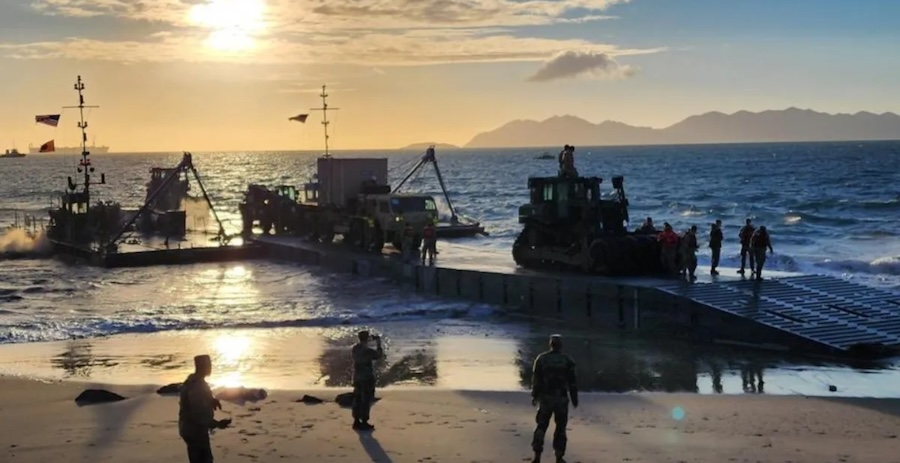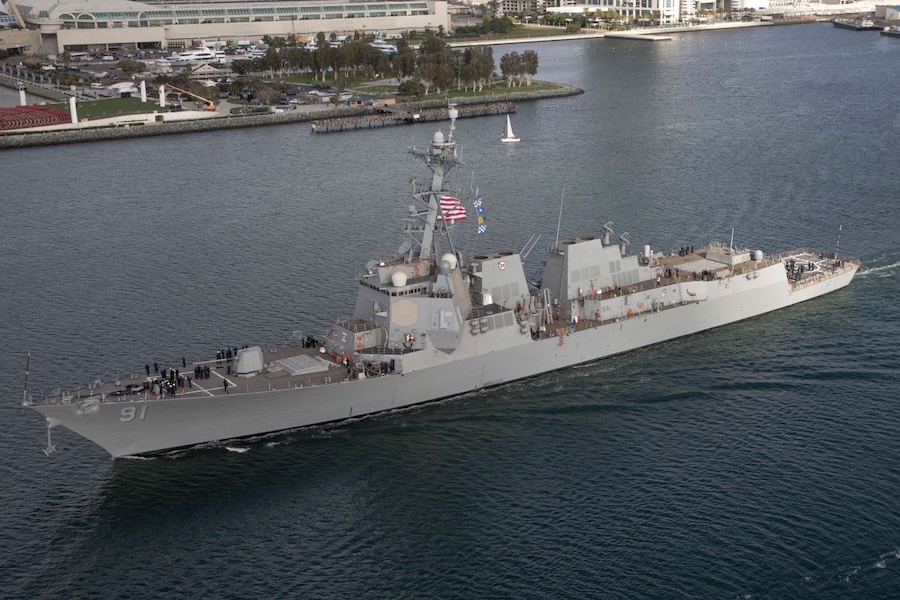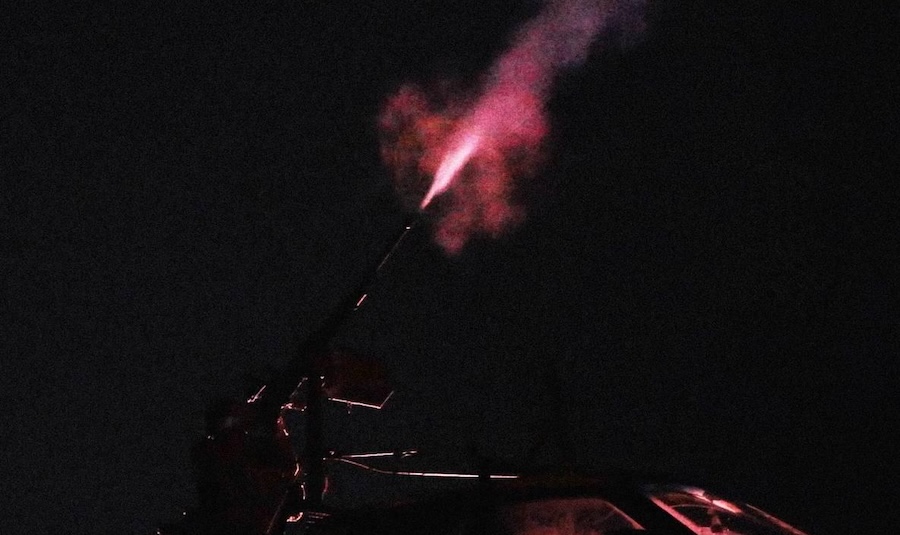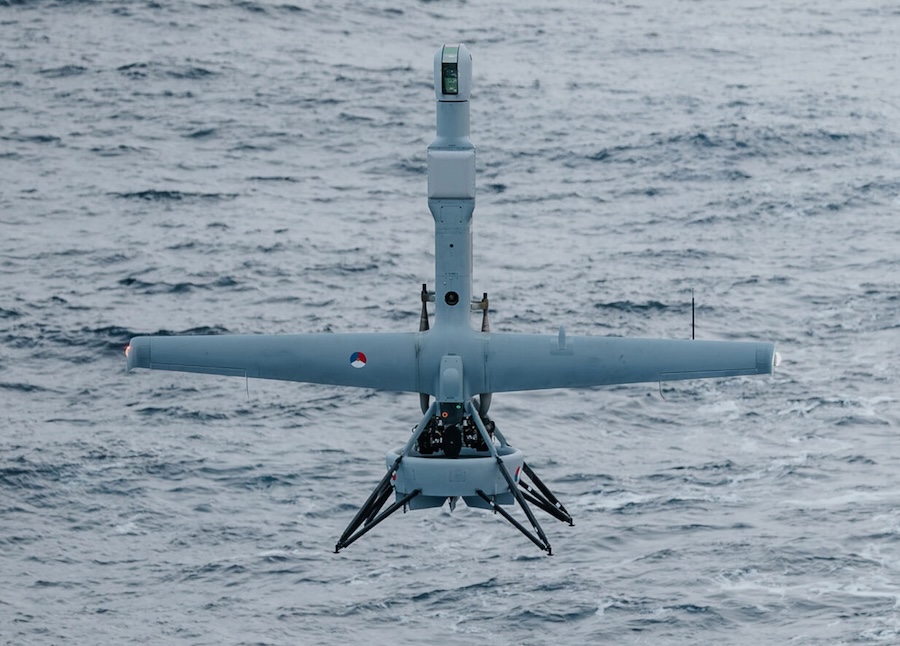


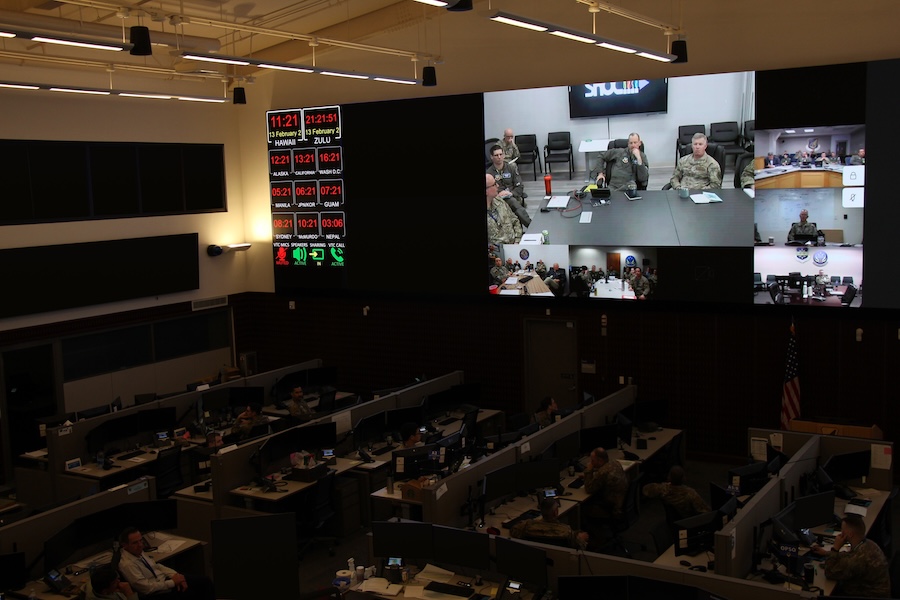
The exercise is designed to pressure the systems, people and processes that connect commanders to forces in a simulated modern battlespace. It emphasizes the speed, resilience and integration of command and control from the strategic level down to the tactical edge.
“In any conflict, the ability to make fast, effective decisions across vast distances is decisive,” said U.S. Air Force Brig. Gen. David Epperson, USAFWC commander. “Bamboo Eagle doesn’t just train pilots; it pressures the entire command and control architecture—from the air operations center to the expeditionary wings. We are preparing our leaders to command the fight, not just participate in it.”
At the core of Bamboo Eagle is the Air Force’s application of mission command, a framework built on centralized command, distributed control and decentralized execution. This philosophy empowers subordinate commanders to make rapid, informed decisions even when communications are contested or degraded.
A major focus of this iteration is strengthening coalition command and control, particularly through the integration of the Royal Air Force and Royal Australian Air Force within the Air Operations Center. Experienced RAF C2 professionals are embedded in key leadership and planning roles, directly shaping operational decisions alongside their U.S. and Australian counterparts.
“Bamboo Eagle demonstrates a truly unified command structure. The RAF continues to support the exercise series with an ever-increasing number of C2 experts, who are fully embedded within the AOC’s command team, contributing to the entire operational planning and execution cycle alongside the USAF and RAAF,” said United Kingdom Wing Commander Richard Kinniburgh, BE 26-1 U.K. exercise architecture lead. “When you have a team this unified, you’re not just sharing data; you’re building a single, resilient command and control nervous system. That is the level of interoperability required to win in a peer conflict.”
The exercise relies on a large live, virtual and constructive environment managed by the 505th and 705th Combat Training Squadrons. While live aircraft operate in designated airspace, the LVC network integrates them into a complex battlespace with thousands of virtual and constructive entities to simulate realistic, large-scale threats.
“Mastering the complexities of global C2 isn’t theoretical. It has to be practiced against a realistic, large-scale threat, and that is precisely what Bamboo Eagle provides,” said U.S. Air Force Maj. David Blessman, 505th Command and Control Wing BE 26-1 exercise lead. “It creates a unique environment where the operational and tactical levels directly affect each other, which is essential for honing the air component’s nervous system from the planners to the pilots. The LVC environment is the arena where we stress our ability to synchronize forces across vast distances.”
Combat readiness is evaluated by the 605th Test and Evaluation Squadron, which assesses the health and performance of the command and control system using objective data. Through a Mission Under Test construct, analysts examine everything from kill chain execution times to data link performance under pressure.
“A powerful nervous system is good; a battle-tested one is better. Our mission is to provide that test,” said U.S. Air Force Lt. Col. Brad Short, 605th Test and Evaluation Squadron commander. “We act as the neurologists for the C2 community, using objective data to confirm the strength and speed of every system and connection. We don’t just look for what’s broken; we look for what can be made faster and more dominant. Our analysis gives leaders the confidence that they can trust their C2 system to perform decisively in a high-end fight.”
The strengthened coalition C2 structure supports agile combat employment by enabling dispersed forces to generate combat power while maneuvering under threat. As Bamboo Eagle 26-1 progresses, lessons learned reinforce the integrated network shared by the U.S., the RAF and other allies.
“The technology that powers this exercise is incredible, but our true asymmetric advantage is trust. It’s the trust between a commander and their Airmen at the edge, and the trust between our nation and our allies,” said U.S. Air Force Col. Ryan Hayde, 505th Command and Control Wing commander. “Bamboo Eagle is the forge where that trust is built and tested. It strengthens the human connections that make the C2 nervous system work under pressure. Technology can be copied, but that level of integration and shared commitment cannot. That is what makes this coalition unbeatable.”