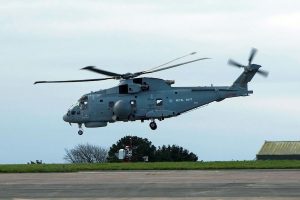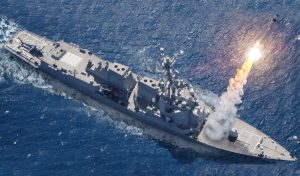


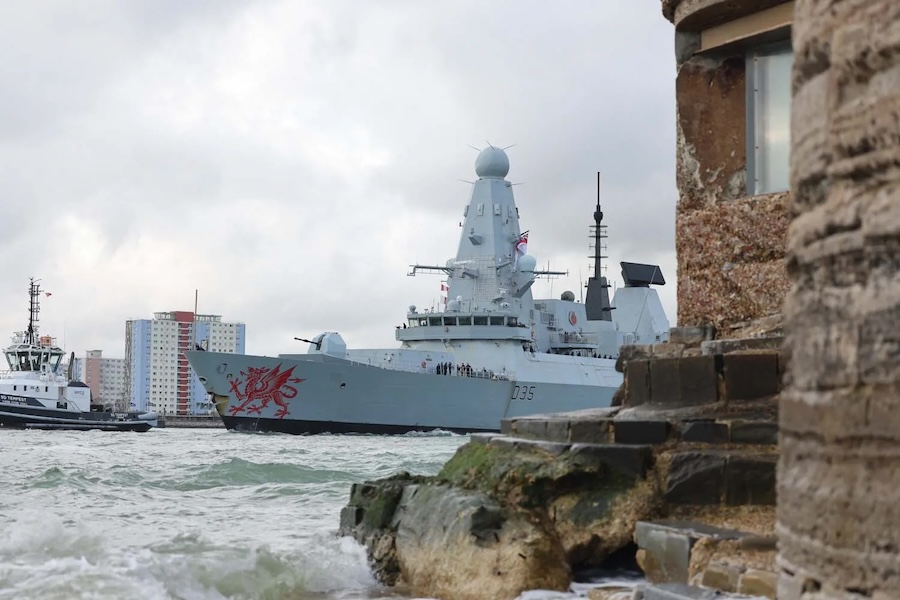
Hundreds of well-wishers gathered along the seawall to see the warship sail from Portsmouth Harbour. The deployment follows the earlier dispatch of Wildcat helicopters from RNAS Yeovilton and the arrival of a Merlin Mk2 helicopter from RNAS Culdrose in Cyprus.
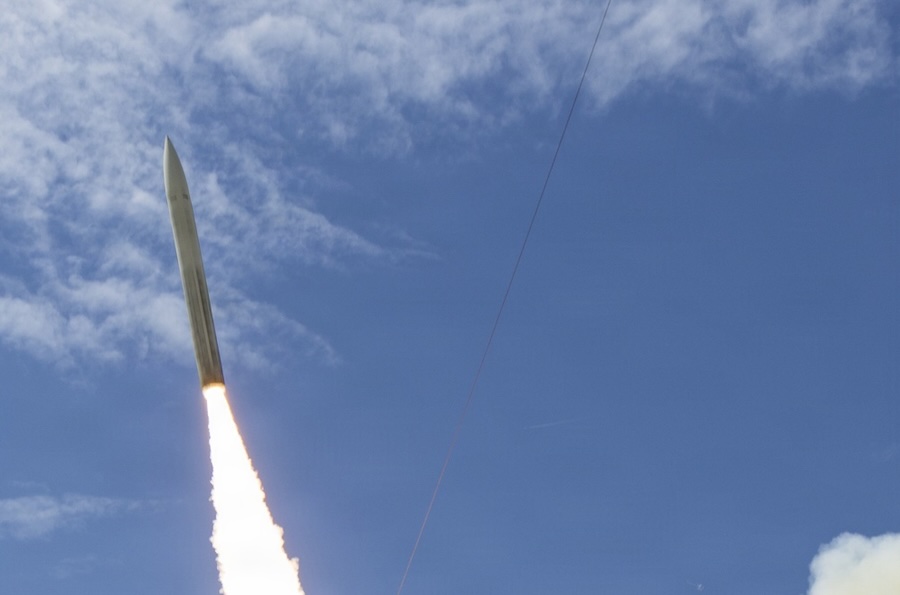
HMS Dragon will use its advanced Sea Viper missile system to help protect UK assets and interests in the region. The destroyer will be supported by Wildcats from 815 Naval Air Squadron equipped with Martlet missiles designed to counter aerial drone threats.
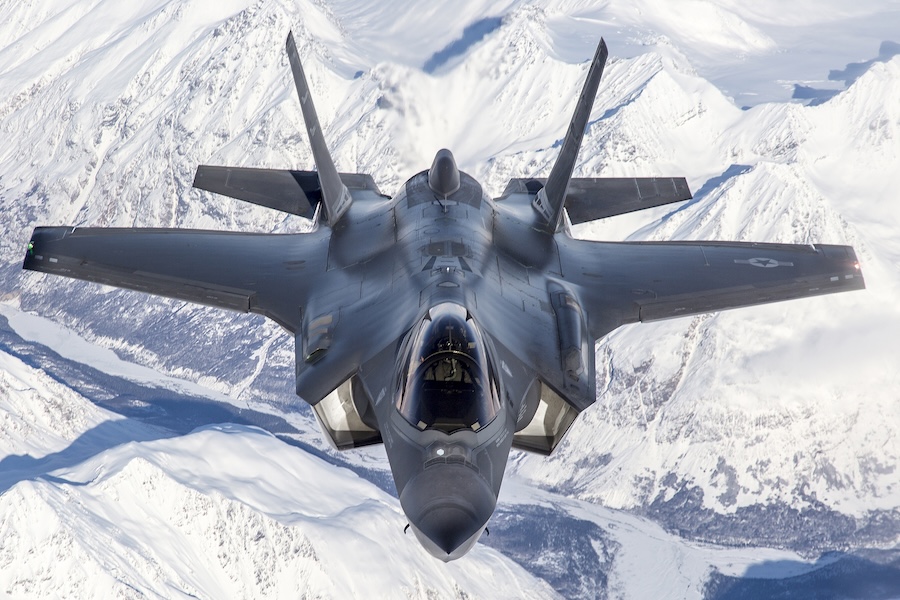
The decision to deploy additional Royal Navy assets follows continued attacks by Iran targeting British interests across the region. The move builds on the UK’s recent increase in defensive capabilities, including the deployment of radar systems, air defence assets and F-35 stealth fighters conducting air defence sorties.
Fleet Commander Vice-Admiral Steve Moorhouse praised the rapid preparation of the personnel involved. “I am proud that our highly-professional personnel have responded in a short time to ensure HMS Dragon and the Wildcats from 815 Naval Air Squadron are fully prepared for their mission.”
Based in Portsmouth, HMS Dragon is one of six Type 45 destroyers that form the Royal Navy’s primary defence against aerial threats. Each vessel carries a crew of around 200 sailors and can defend an area up to five times the size of Cyprus.
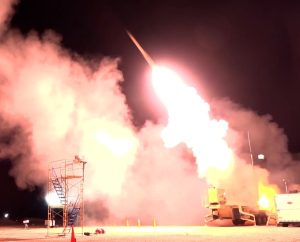
The destroyer’s Sea Viper missile system can track hundreds of targets simultaneously and launch eight missiles in under ten seconds. The system can guide up to sixteen missiles at once, striking targets at speeds approaching four times the speed of sound.
Sea Viper has previously demonstrated its effectiveness in operational deployments. During operations in the Red Sea, HMS Diamond successfully intercepted multiple drones and at least one missile launched at shipping by Houthi forces.
HMS Dragon also achieved a significant milestone during an international exercise off Scotland last year. The destroyer became the first British warship to destroy a missile travelling at supersonic speed, despite the target attempting evasive manoeuvres.
Commander Iain Giffin, the ship’s Commanding Officer, said the crew had prepared intensively for the mission. “My ship’s company have worked tirelessly to ensure we are ready for our mission to the Eastern Mediterranean.”
He added that the deployment reflects the professionalism and readiness of the ship’s crew. “I am proud of professional manner in which they have responded.”
Commander Giffin emphasised the confidence of the crew as they begin the mission. “We are trained for this, we are ready for this, we have the equipment and people, we have the support of the British people and, most importantly, our families and friends.”
Defence Secretary John Healey MP highlighted the speed at which the ship was prepared for deployment. “I have only praise for our Royal Navy personnel and civilian teams who have worked flat out to prepare HMS Dragon for deployment to the Eastern Mediterranean.”
He noted that the preparation was completed far more quickly than normal schedules would require. “What is normally six weeks of work was completed in just six days – a remarkable effort delivered around the clock.”
Wildcat helicopters deployed to Cyprus are also playing a key role in the defensive mission. Armed with Martlet missiles, the aircraft are designed to intercept fast-moving threats both at sea and in the air.
Commander James Woods, Commanding Officer of 815 Naval Air Squadron, said the deployment demonstrates the squadron’s rapid response capability. “The deployment of 815 Naval Air Squadron Wildcat attack helicopters to Cyprus demonstrates our ability to respond rapidly to emerging threats and protect UK interests wherever they arise.”
He explained that the helicopters provide an important defensive layer against drone attacks. “We bring a highly-capable strike capability, and in this role they are providing a vital layer of defence against uncrewed aerial systems targeting UK Sovereign Base Areas.”
Commander Woods also praised the personnel involved in the deployment. “I’m immensely proud of the professionalism and adaptability shown by our engineers, logisticians and aviators.”
He added that the evolving threat environment requires close coordination across multiple forces. “The current threat environment demands speed, adaptability and close integration with joint partners, while our advanced sensors and precision missiles ensure we can detect, track and, when necessary, defeat hostile drones before they threaten our people or infrastructure.”
The deployment also includes airborne surveillance support from an ASaC Merlin helicopter from 820 Naval Air Squadron. The aircraft can fly at altitude and detect threats beyond the horizon, providing early warning of incoming drones or missiles.
Captain James Hall, Commanding Officer of RNAS Culdrose, said the aircraft remain ready to respond to emerging threats. “Our aircraft from Merlin Helicopter Force are held at readiness to respond at short notice to any threat to UK interests.”
He also noted the squadron’s recent operational experience in similar missions. “820 NAS already has experience of providing force protection from similar threats, having deployed ASaC aircraft on active operations in the Red Sea last year during the transits of the Carrier Strike Group led by HMS Prince of Wales during Operation Highmast.”