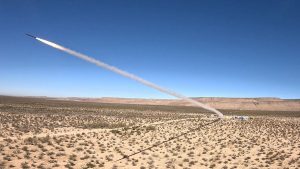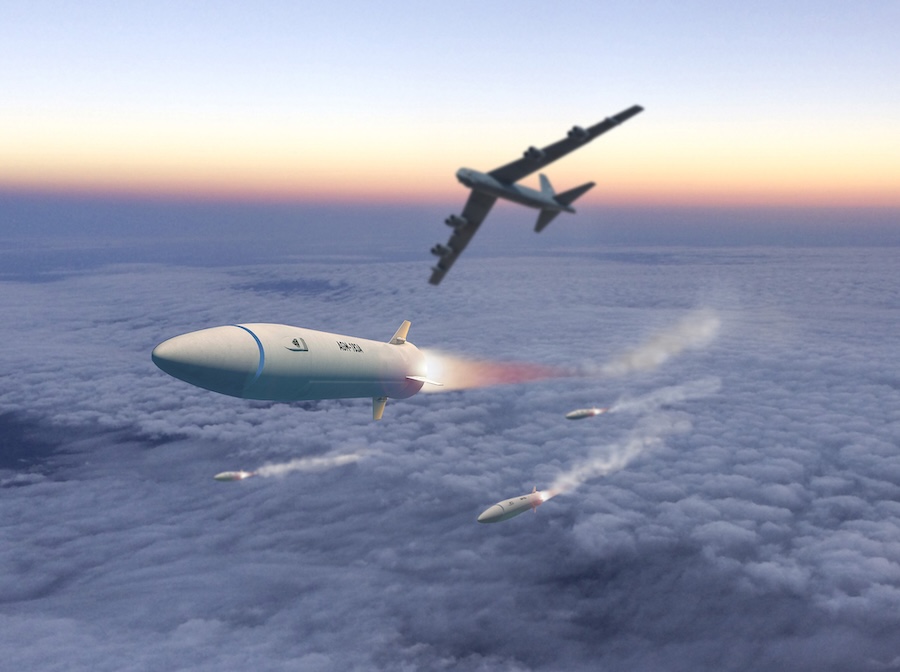


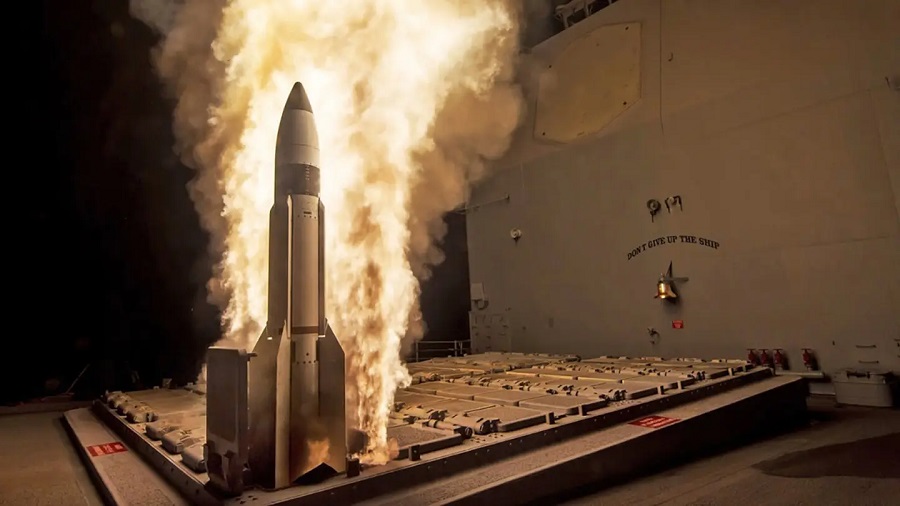
RTX said the agreements respond to sustained growth in global demand and formalize a long-term production strategy following earlier investments in facilities, technology, and workforce. Under the frameworks announced on Tuesday, annual production is set to rise to more than 1,000 Tomahawks, at least 1,900 AMRAAMs, and more than 500 SM-6 missiles, while SM-3 IIA output will increase and SM-3 IB production will be accelerated.
The company noted that several of the covered munitions are expected to see production growth of two to four times their current rates. RTX said the approach is intended to improve supply chain stability and shorten delivery timelines while sustaining what it described as historically high production levels.
“With the Department of War’s strong commitment to strengthening the defense industrial base and creating American jobs, RTX will continue to make investments in technology, facilities and our workforce to reach and sustain this historically high production rate,” the company said. Manufacturing under the agreements will be carried out at Raytheon sites in Tucson, Arizona, Huntsville, Alabama, and Andover, Massachusetts.
“These agreements redefine how government and industry can partner to speed the delivery of critical technologies and are a direct result of the administration’s Acquisition Transformation Strategy and commitment to deliver the best technologies faster,” said RTX Chief Executive and Chairman Chris Calio. “We are proud to support the department’s Arsenal of Freedom to ensure the United States and its allies and partners have the decisive edge — now and in the future.”
RTX said the investments tied to the framework agreements are already reflected in its recently announced financial outlook for 2026. The long-term arrangements use a collaborative funding model aimed at preserving upfront free cash flow, allowing the company to invest with confidence in meeting sustained U.S. and allied demand for critical munitions.