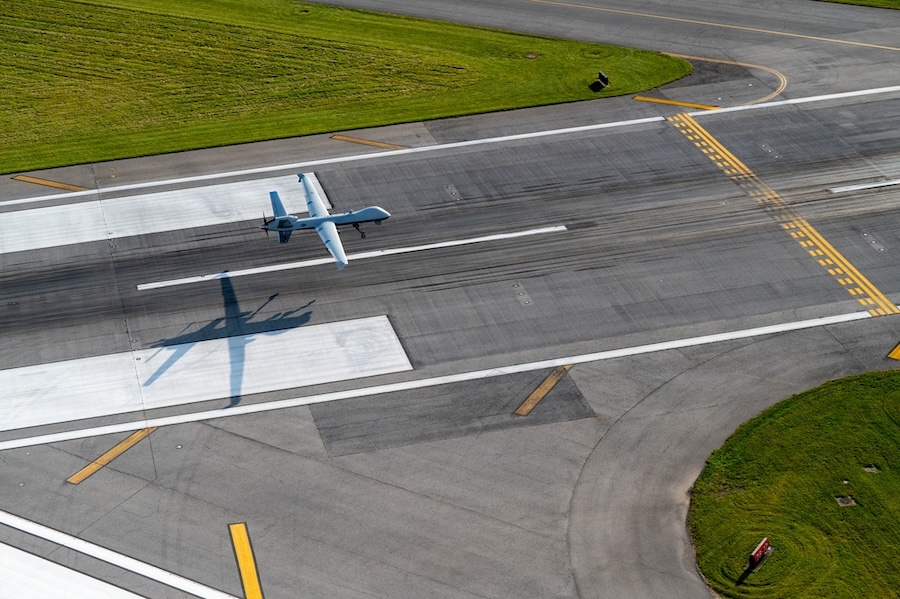

In civil aviation, the Federal Aviation Administration extended its 30-year partnership with Saab by selecting the Aerobahn Runway and Surface Safety service for 59 additional airports under the Surface Awareness Initiative. Saab said the decision supports national airspace modernisation and continued improvements in air travel safety.
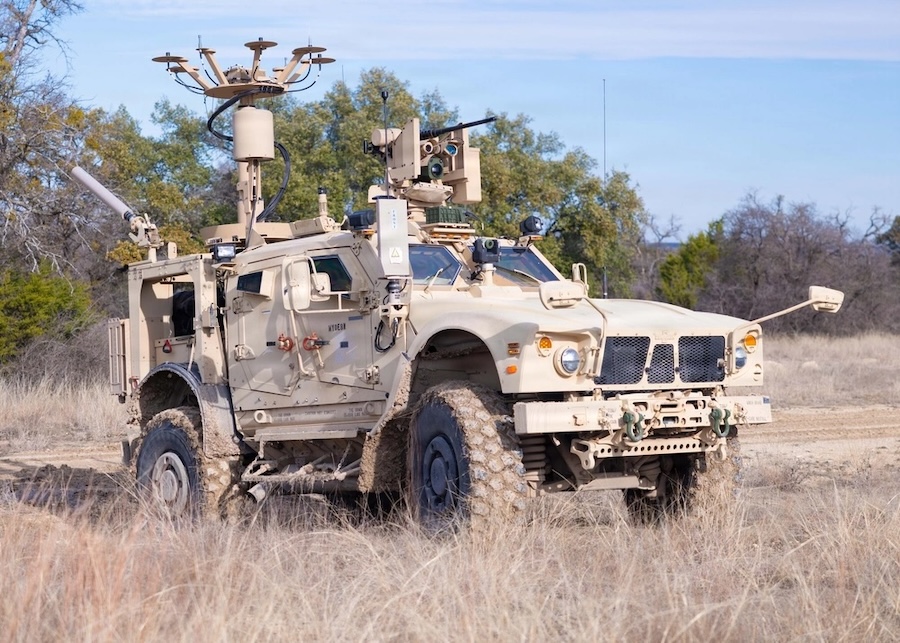
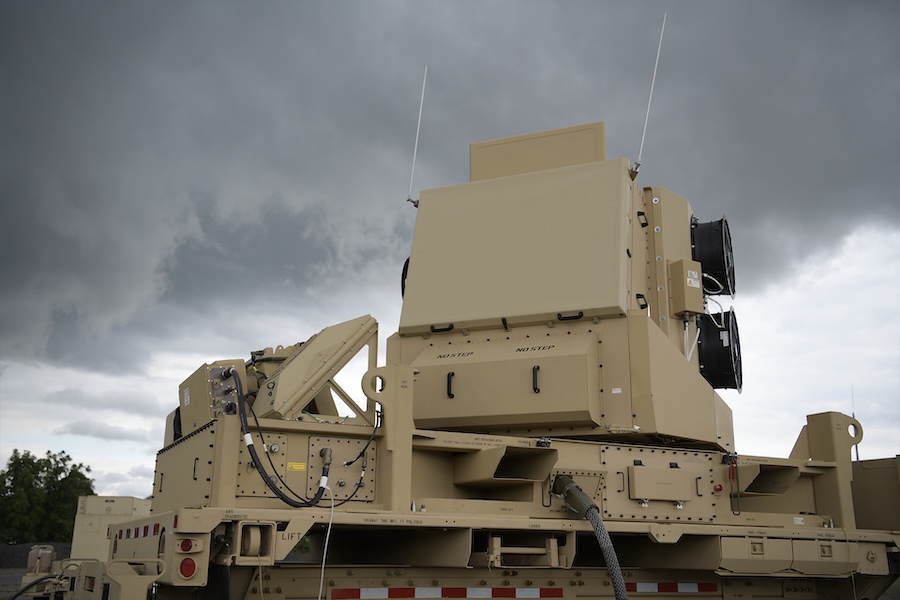
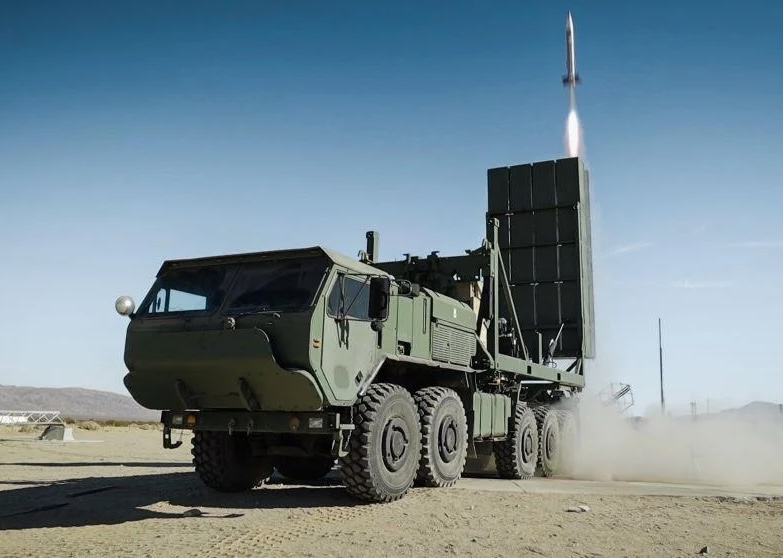
On the defence side, Saab received a U.S. Army award for its Giraffe 1X radar, providing counter-drone capability designed for rapid deployment and 360-degree coverage. The company also continued production and delivery of SPN-50 and SPS-77 radar systems for the U.S. Navy and Coast Guard, alongside Integrated Mobile Pallets for the G/ATOR programme supporting the U.S. Marine Corps in partnership with Northrop Grumman.
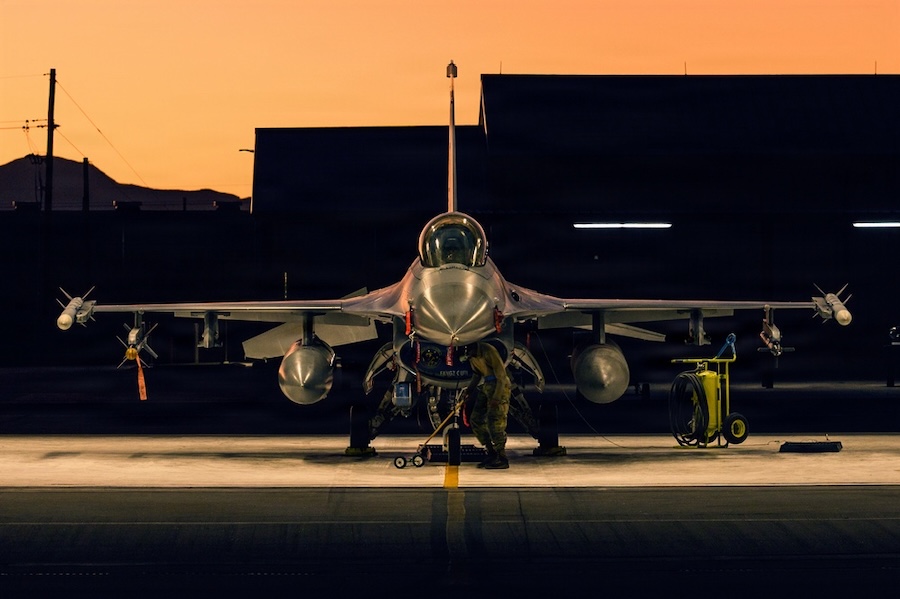
Manufacturing expansion featured prominently in 2025, with Saab advancing production of the first American-made T-7A Red Hawk aft fuselage in West Lafayette, Indiana. Developed with Boeing for the U.S. Air Force, the aircraft is designed to train more than 1,000 pilots each year and was previously built in Sweden.
Saab also signed a Letter of Intent with Boeing and BAE Systems to collaborate on the Royal Air Force fast jet trainer programme, using T-7 as the system’s core. The agreement creates a pathway for future international pilot training cooperation.
Training and readiness programmes expanded during the year, including a $37 million U.S. Marine Corps contract for additional Marine Corps Training Instrumentation Systems equipment. At Twentynine Palms, the system supported more than 3,200 Marines and 250 vehicles, while Saab’s Training as a Service assisted over 7,500 participants during the National Guard Bureau’s Northern Strike 2025 exercise.
In April, Saab broke ground on its tenth U.S. facility in Grayling, Michigan, scheduled to open in 2026 and create more than 70 jobs. The site is intended to strengthen the U.S. defence industrial base and support future programmes.
Innovation efforts accelerated through Skapa by Saab, the company’s AI and autonomy accelerator based in San Diego, which secured nine Department of Defense contracts. Working with MIT under DARPA’s ASIMOV programme, Skapa is contributing to the RESPECT framework for evaluating ethical performance of autonomous military systems.
At sea, Saab expanded production of MK39 Expendable Mobile Anti-Submarine Warfare Training Targets in Rhode Island and Massachusetts and continued development of unmanned systems for U.S. Navy training. The company also secured additional work with the NOAA to support offshore scallop bed surveys using next-generation autonomous vehicles.
Saab said its 2025 performance strengthened its U.S. footprint across defence, aviation and research. Looking to 2026, the company plans further innovation, expanded American manufacturing and continued delivery of capabilities designed to enhance safety and security.
Source: Saab, Inc.