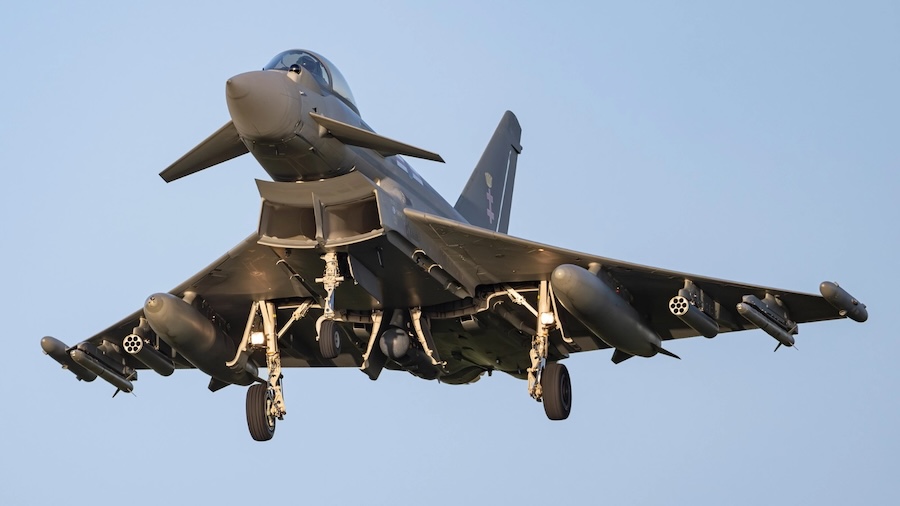


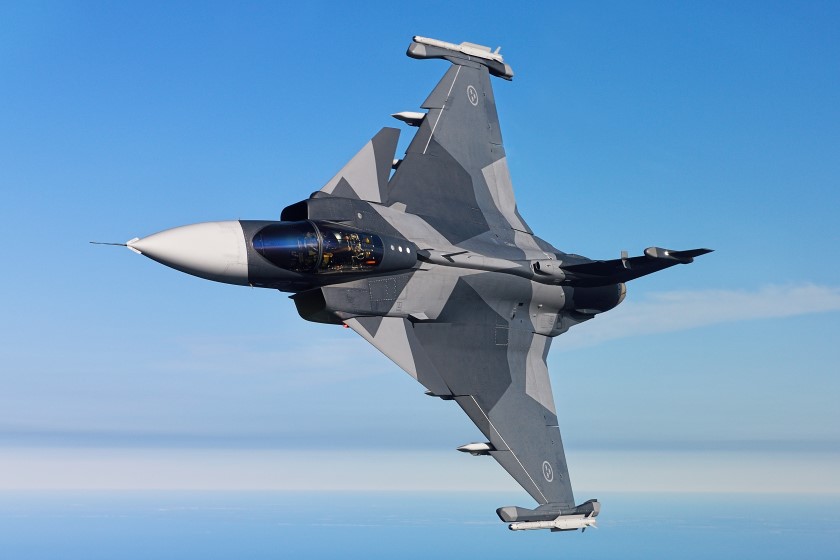
Saab is proposing to produce Gripen fighter jets and GlobalEye surveillance aircraft in Canada if selected by the Canadian Armed Forces. The initiative is also intended to support longer-term cooperation on advanced military technologies.
Peter Nilsson, head of future programs at Saab, said the company is looking for partners with relevant expertise. “As we’re looking ahead, we’d really like to work with countries and companies who are willing and interested and have the skill set,” he said.
“Canada would be great,” Nilsson added. He said the collaboration could extend to research and development of next-generation combat systems.
Canada currently has an order for 88 F-35 fighter jets from the United States. However, the government is exploring the option of also acquiring Gripen aircraft to create a mixed fleet.
Officials confirmed that discussions are ongoing regarding future capabilities. The Department of National Defence said it is “exploring possible future options beyond the current fighter jets.”
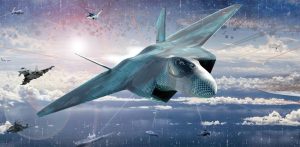
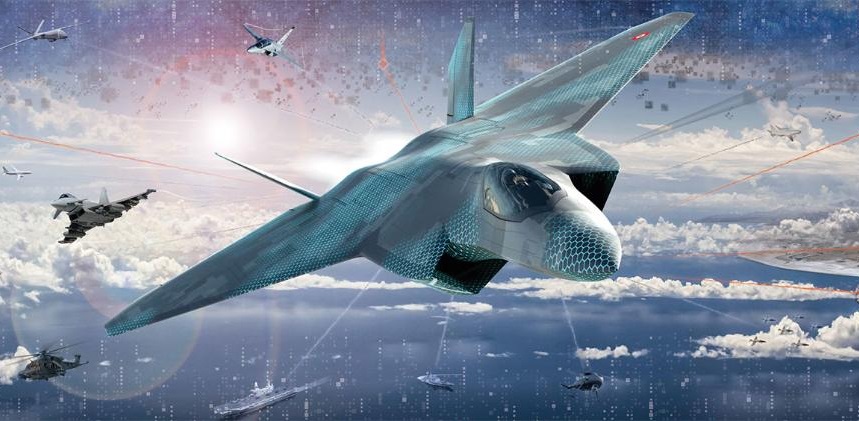
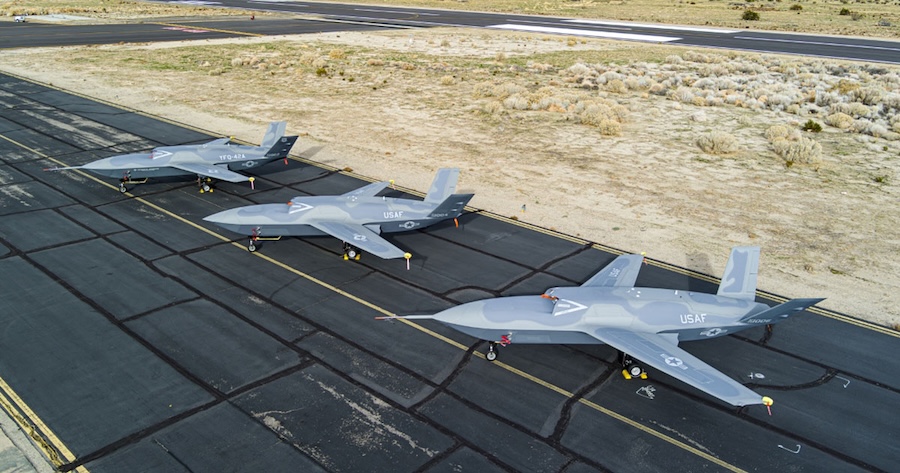
Several countries are working on so-called sixth-generation fighter programs. These systems are expected to integrate artificial intelligence, enhanced stealth and close coordination with unmanned systems.
Major initiatives include the U.S.-led F-47 program and the Global Combat Air Program involving the United Kingdom, Italy and Japan. Europe is also pursuing the Future Combat Air System, although that program has faced challenges.
Sources said leadership within the Royal Canadian Air Force is not currently in favor of acquiring Gripen aircraft in the near term. Instead, they are reported to support participation in the Global Combat Air Program.
Philippe Lagassé, a professor at Carleton University, said a combined approach could be effective. “A mixed fleet of F-35s and a sixth-generation aircraft is probably the optimal solution,” he said.
Lagassé noted the timeline for new systems remains long-term. “The problem is that these sixth-generation aircraft will not be developed for another 20 or 30 years,” he added.
Saab said it aims to involve Canadian companies in future development efforts. It highlighted firms such as Bombardier and CAE, as well as smaller companies in aerospace and artificial intelligence.
Nilsson said the company is looking to broaden its approach to innovation. “To tap into” civilian expertise is a priority for Saab as it develops future systems.
He added that Canada and Sweden share similar operational requirements. “If you drive a convertible in the morning to work, you will have a hard time to design a fighter for the Arctic,” Nilsson said.
Saab has indicated that local production could create approximately 10,000 jobs in Canada. The company has also engaged with Canadian officials and defence leadership to advance discussions.
Recent meetings included senior Saab executives and Canadian defence officials. Company leadership has also met with Prime Minister Mark Carney and Industry Minister Mélanie Joly to discuss potential cooperation.
Source: CBC.