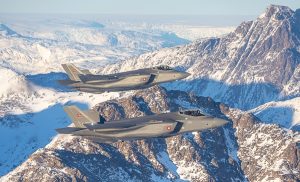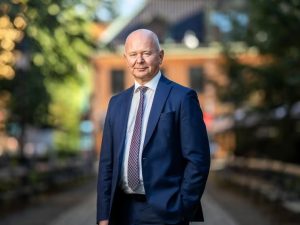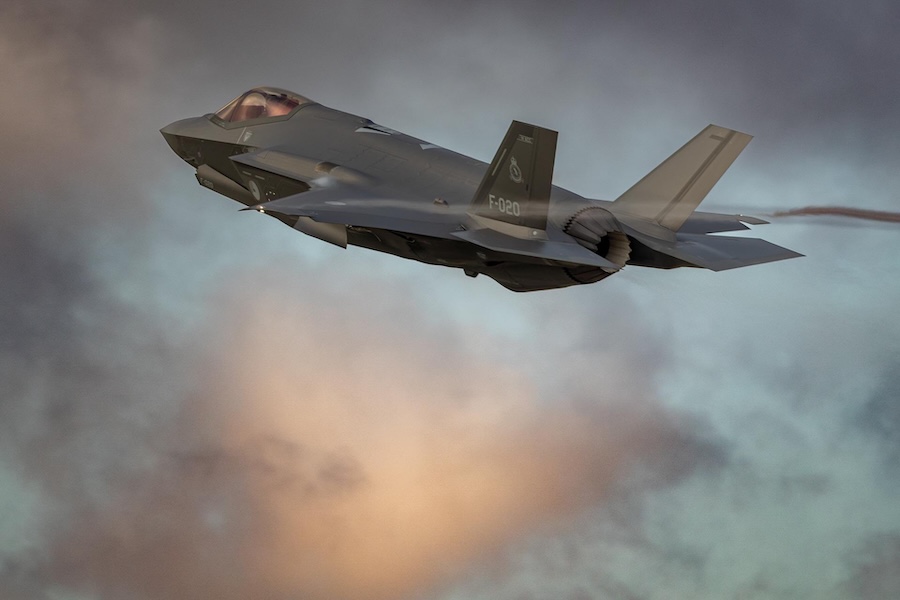


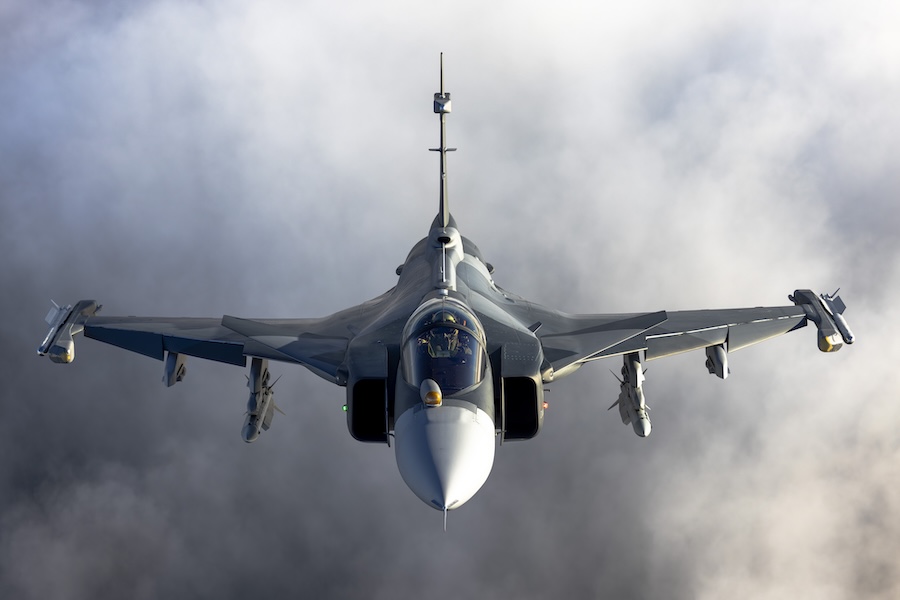
Speaking on a call with investors, Saab Chief Executive Micael Johansson said Canada was exploring options “not to be too dependent on the US by having a dual fleet, both F-35 and the Gripens.” He added, “We are providing all [the] detailed information that they need to understand.”
Johansson said Saab has shared specifics on the speed of technology transfer and “how quickly” a local Gripen production line could be established in Canada. He also raised the prospect that such a facility could build aircraft for export, asking, “How would they [Canada] be involved in the full export market perspective of a fighter business?”
Saab currently produces the Gripen in Sweden and Brazil, while Colombia approved a €3.1 billion contract in November 2025 for 17 aircraft and Thailand agreed last year to buy four jets for 5.3 billion Swedish kroner. Sweden has also signed a letter of intent with Ukraine that could lead to an order of between 100 and 150 aircraft once the war ends.
Johansson said any Canadian decision would hinge on “high-level political decisions” and added, “I don’t know” when a contract award might occur, though he noted, “of course, we have intensive discussions around this.” Interest in a Gripen option has drawn U.S. attention, after a senior Canadian official called the idea “very interesting” in November and U.S. Ambassador Pete Hoekstra issued what appeared to be a warning last month.
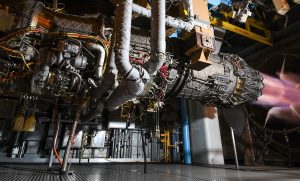
In a note to investors, Capital Alpha Partners analyst Bryon Callan said Canada could “truncate” its planned purchase of 88 F-35s, which “may explain” remarks from Hoekstra and President Donald Trump. He cautioned that a Gripen deal could still be complicated because “we would expect F-35 subcontract work to be pulled from Canadian subcontractors,” while noting U.S. leverage through the jet’s GE Aerospace engine.
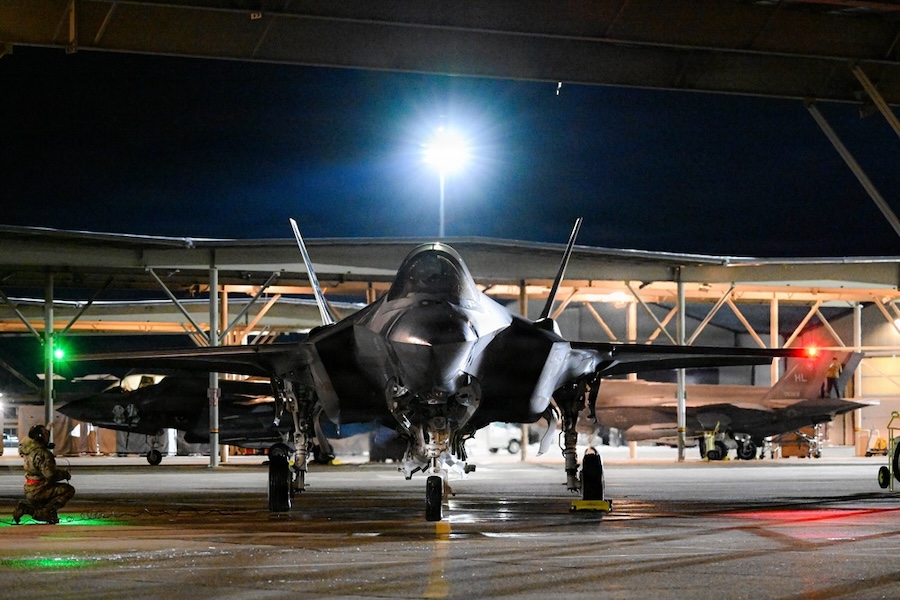
Canada is reviewing its $27.7 billion Canadian dollar F-35 program, though it remains committed to buying an initial 16 aircraft, with eight to be delivered to Luke Air Force Base in Arizona between 2026 and 2027. Saab, meanwhile, is pressing ahead with investments to raise Gripen output to 36 aircraft a year and is also positioning its GlobalEye surveillance aircraft for potential Canadian and NATO requirements.
Source: Breaking Defense.