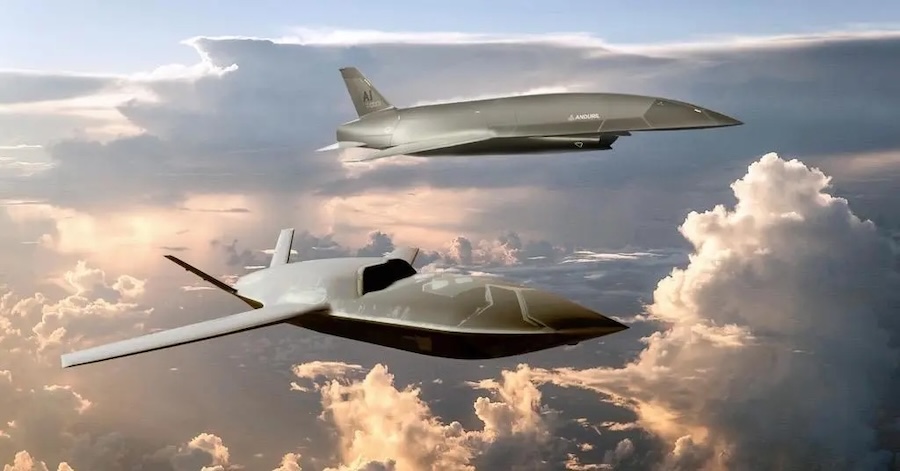
“Shield AI is proud to be named a mission autonomy provider supporting the Collaborative Combat Aircraft program,” said Gary Steele, CEO of Shield AI. “The Air Force is moving with urgency to explore how autonomy can reshape air combat, and we have spent years preparing for this—building, testing, and flying mission autonomy in the real world. We will work relentlessly to deliver and to help advance the next era of airpower alongside the Air Force and its industry partners.”
Hivemind, the company’s core artificial intelligence software, is designed to assume the role of a human pilot or operator, enabling unmanned defense systems to sense, decide and act without human intervention. Unlike traditional autopilots that follow preplanned routes, Hivemind can reroute around no-fly zones, avoid or engage obstacles, respond to unexpected conditions and complete missions safely and effectively.
“Delivering mission autonomy in real-world combat conditions is hard, which is why Shield AI has spent more than a decade building Hivemind and the technical and operational foundation to do it right,” said Christian Gutierrez, vice president of Hivemind Solutions at Shield AI. “Our team brings proven experience fielding mission-critical autonomy on complex weapon systems, deep operational understanding across domains, and a development model built for speed. We value the opportunity to work with the U.S. Air Force on the future of mission autonomy.”
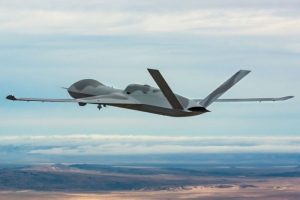
The company said Hivemind is compliant with the Autonomy Government Reference Architecture and is platform-agnostic, having demonstrated A-GRA-aligned autonomy in multiple government and industry test efforts. These include work with General Atomics’ MQ-20 Avenger, Northrop Grumman’s Talon IQ autonomous ecosystem, the U.S. Navy’s BQM-177 test aircraft and the Airbus UH-72A Lakota helicopter.