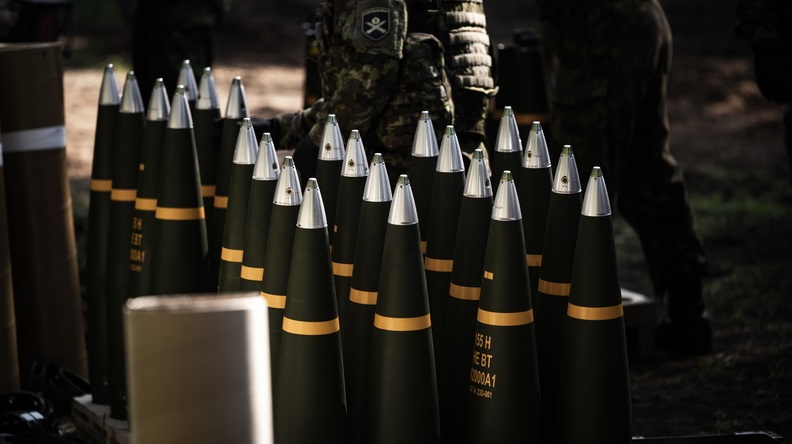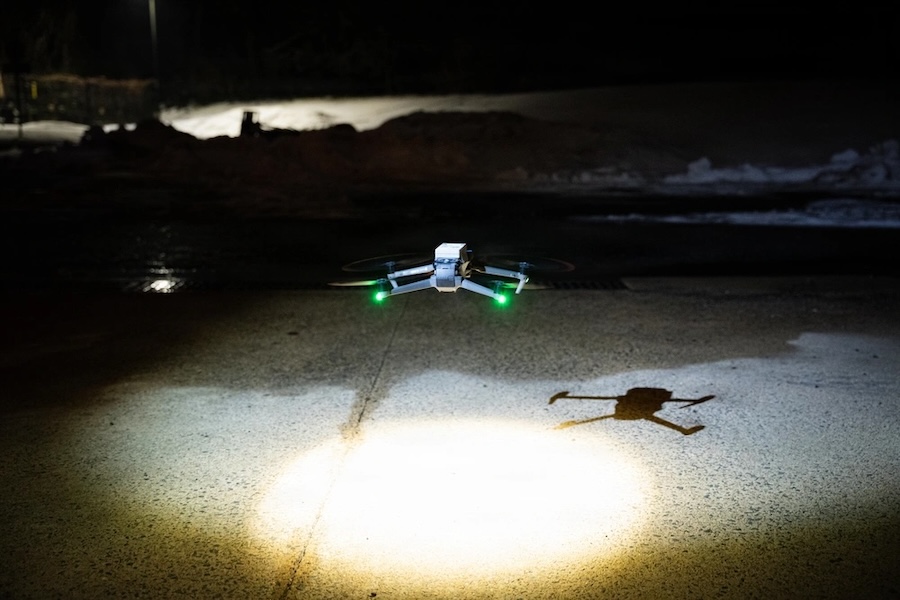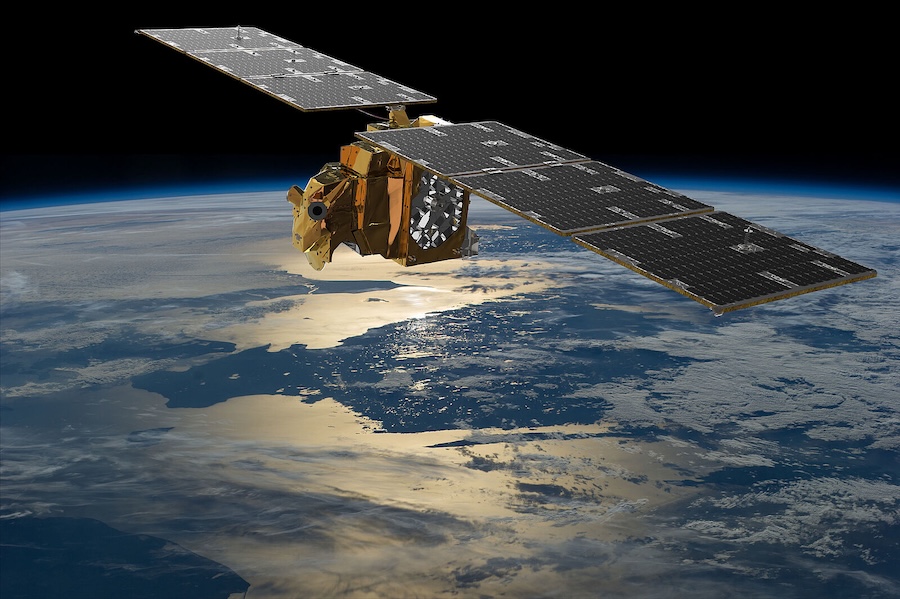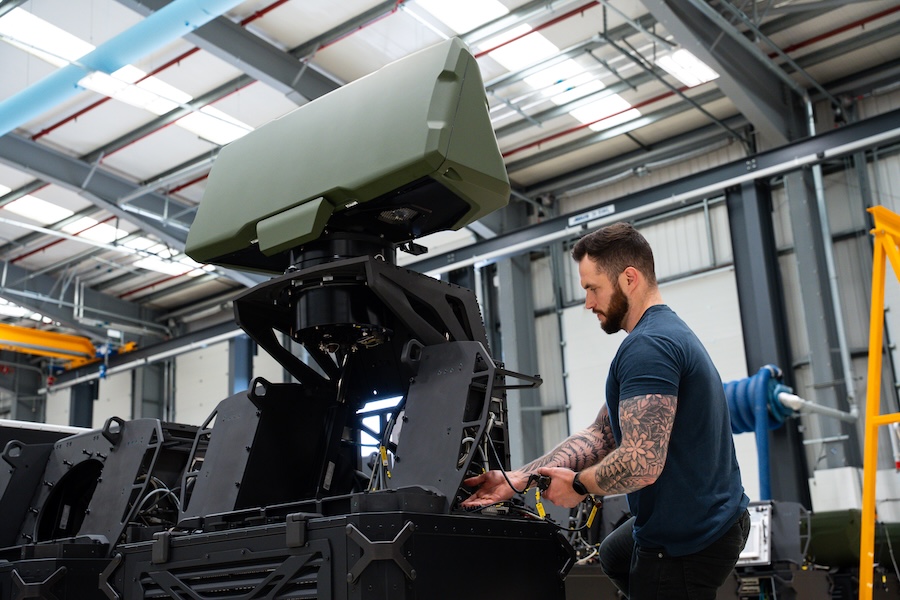


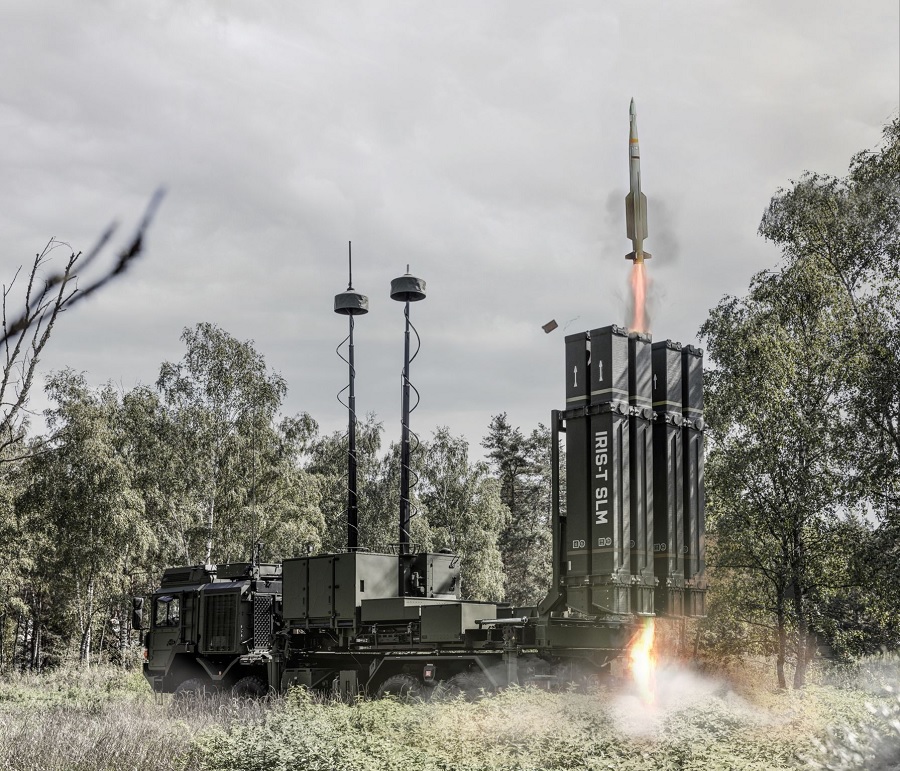
The decision follows lessons drawn from the war in Ukraine and builds on earlier commitments to air defence. “Sweden is facing the most serious security situation in modern times. With this broad investment in air defence, we are protecting the whole of society, from our military units to urban areas and critical infrastructure. It is a matter of people’s lives, our freedom and our ability to withstand attacks in all parts of the country,” said Prime Minister Ulf Kristersson.
Defence Minister Pål Jonson said the new capability would reinforce existing systems and improve readiness. “Experience from the war in Ukraine clearly demonstrates the crucial importance of a robust and resilient air defence. By building up ground-based air defence units, we are adding to the existing air defence and strengthening protection of combat unit mobilisation. This will raise the threshold for attacks, enhance Sweden’s defensive capabilities and contribute to NATO’s collective deterrence and defence,” he said, referring to NATO.
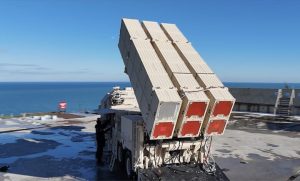
The Government said the new ground-based air defence will mainly provide short-range protection through modular, company-sized units that can be deployed flexibly or tied to specific locations. These units will be able to protect civilian objects such as bridges, railway nodes, nuclear and hydroelectric power plants, and population centres, with an initial industrial order planned for the first quarter of 2026.
Minister for Civil Defence Carl-Oskar Bohlin emphasised the civilian dimension of the investment. “Protecting the civilian population and the functioning of society is a key part of our total defence. The ground-based air defence will create better conditions to protect urban areas, infrastructure and essential public services from airborne threats. Alongside measures such as protective shelters, redundancy, and repair preparedness, this will increase society’s resilience in crisis and war,” he said.
The decision adds to previous air defence investments of almost SEK 40 billion, about EUR 3.5 billion, covering new mid- and short-range systems, portable systems, additional Patriot missiles, and anti-drone capabilities. In parallel, the Swedish Civil Defence and Resilience Agency and the Swedish Armed Forces are preparing proposals on protecting population centres and civilian infrastructure from airborne threats, with a report due on 16 February 2026.