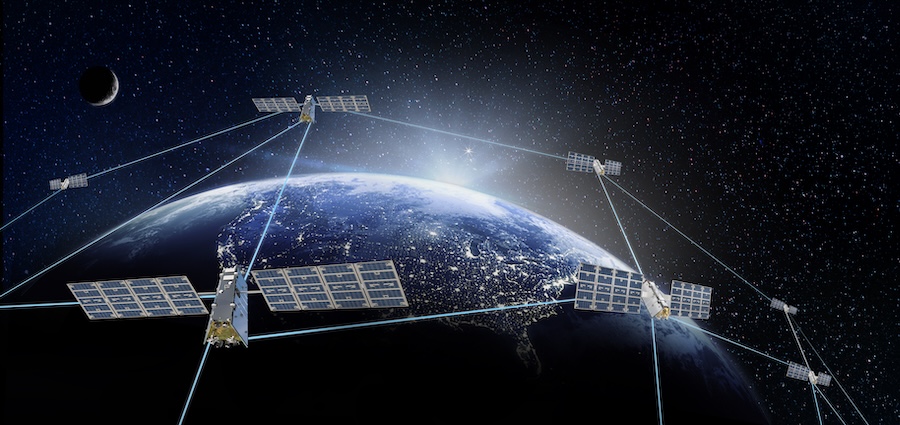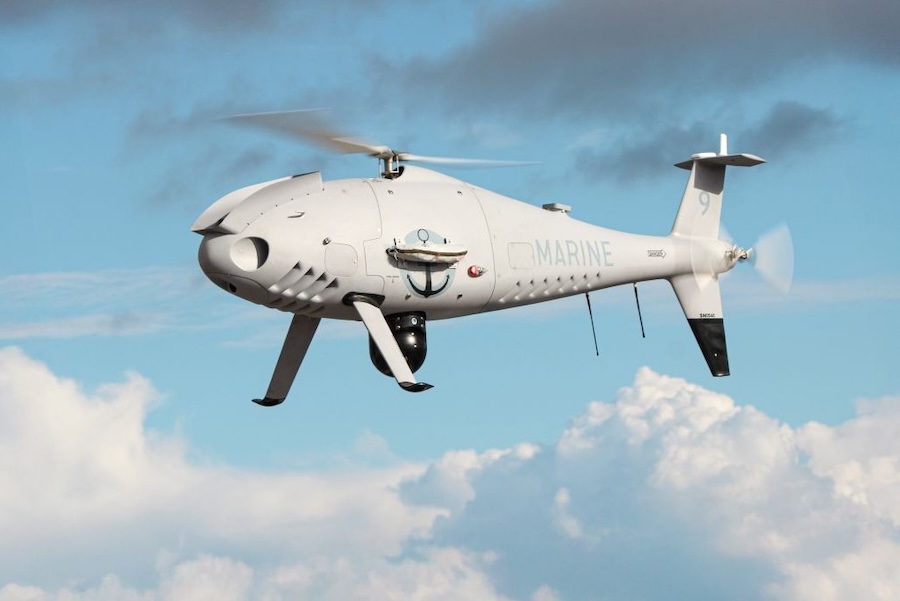


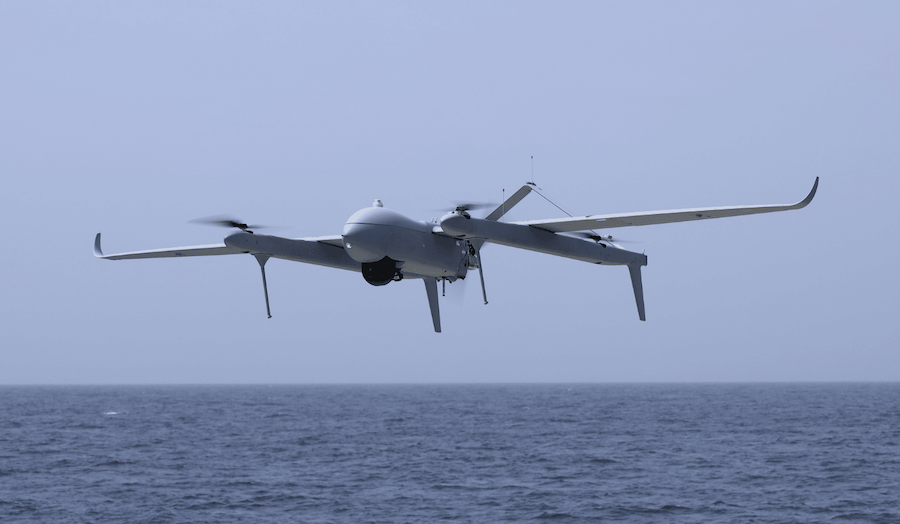
The new technology positions the Aerosonde UAS to overcome traditional line-of-sight and datalink limitations as pLEO capabilities become operational. This opens opportunities for long-range intelligence, surveillance and reconnaissance and distributed operations without reliance on high size, weight and power geostationary SATCOM systems that are costly and limit multi-intelligence options for small Group 3 UAS.
For the U.S. military, the integration supports distributed mission control from Tactical Operations Centers, reducing the number of personnel required in harm’s way. Faster and more secure data sharing improves situational awareness, shortens decision cycles and supports timely, coordinated responses on the battlefield.
The integration also makes the Aerosonde UAS smaller, lighter and easier to deploy through a streamlined Ground Control Station. It further supports enhanced cybersecurity and sets the conditions for future incorporation of Starshield’s Department of Defense proliferated Low Earth Orbit solution.









![CENTCOM chief says U.S. forces remain ready after ‘generational’ defeat of Iran despite fragile ceasefire [VIDEO]](https://defence-industry.eu/wp-content/uploads/2026/04/centcom-chief-says-us-forces-remain-ready-after-generational-defeat-of-iran.jpeg)
![Team Lynx details XM30 infantry fighting vehicle concept as U.S. Army program nears key decision [VIDEO]](https://defence-industry.eu/wp-content/uploads/2026/04/team-lynx-details-xm30-infantry-fighting-vehicle-concept.jpeg)