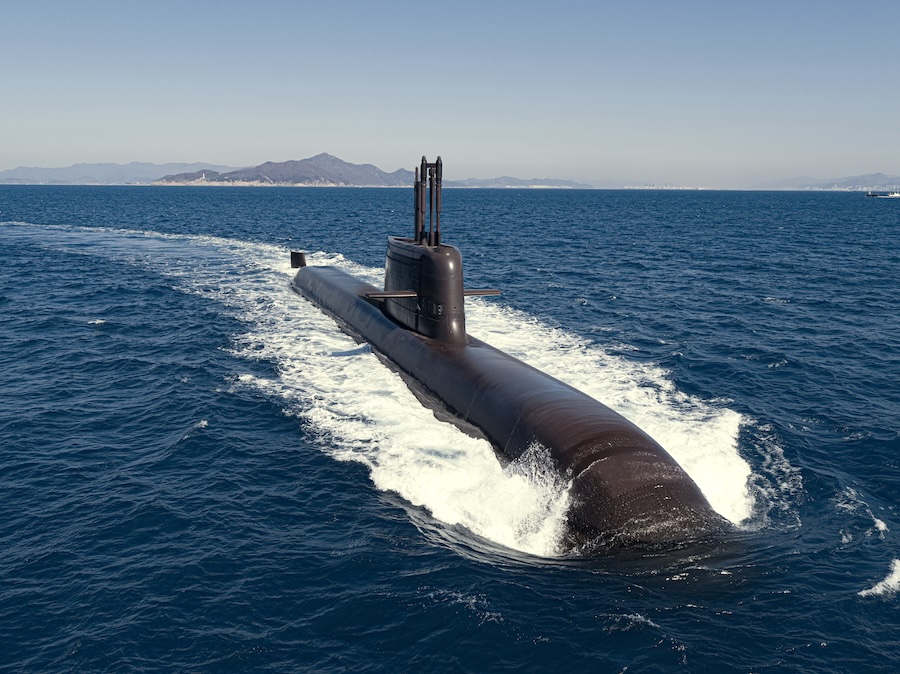
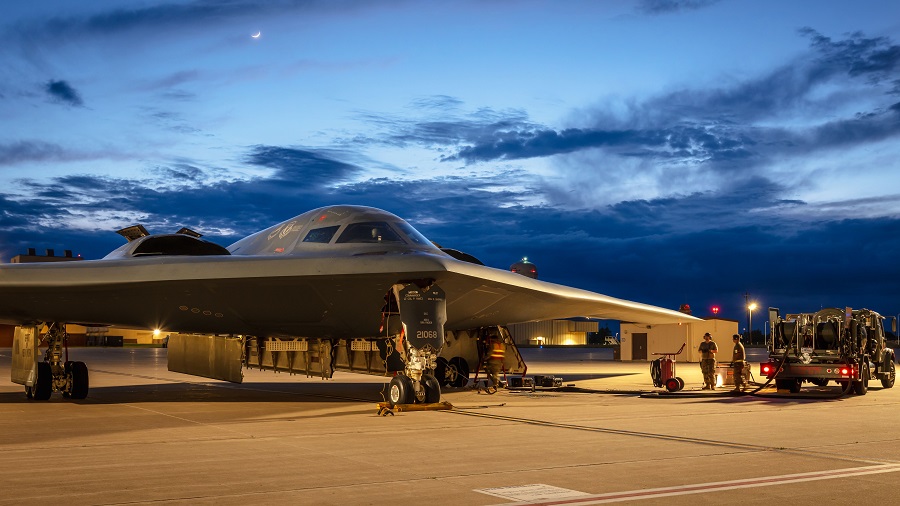
In his statement, Trump said the higher spending would make it possible to build a “Dream Military” that the United States has long deserved. He argued that it would ensure the country remains “SAFE and SECURE, regardless of foe”.
The president justified the scale of the increase by pointing to what he described as “very troubled and dangerous times”. These remarks are widely interpreted as referring to rising tensions with China in the Pacific and to statements by the Washington administration about potentially taking control of Greenland, currently administered by Denmark, even through military means.
According to Trump, the main source of funding for the proposed increase would be revenues from tariffs imposed by Washington on imports of goods and services from most countries worldwide. He said that without tariffs, defence spending could rise by only about USD 100 billion, which he still described as significant, noting that in Europe only Germany would be expected to spend more on defence in the near future.
Trump stated that with tariff revenues, reaching defence spending of around USD 1.5 trillion would be “easy”. At the same time, it remains uncertain whether this target is realistic, as tariff revenues amounted to around USD 195 billion in 2025 and are expected to reach no more than USD 400 billion this year, with no official forecasts yet available for next year.
The same tariff income is also intended to finance other election promises that Trump has not withdrawn, including reducing public debt and paying a USD 2,000 “tariff dividend” to citizens on low and middle incomes. This creates additional pressure on the expected revenues, as the funds would need to cover multiple commitments simultaneously.
The announcement followed sharp criticism by Trump of US defence contractors, whom he accused of prioritising shareholder payouts over production capacity and maintenance. In a post, he wrote: “While we make the best Military Equipment in the World (No other Country is even close!), Defense Contractors are currently issuing massive Dividends to their Shareholders and massive Stock Buybacks, at the expense and detriment of investing in Plants and Equipment.”
Trump added that this approach would no longer be accepted, stating: “This situation will no longer be allowed or tolerated! … Therefore, I will not permit Dividends or Stock Buybacks for Defense Companies until such time as these problems are rectified.” He also criticised executive remuneration in the sector, saying: “Executive Pay Packages in the Defense Industry are exorbitant and unjustifiable.”
He further declared that defence industry executives should focus on expanding and modernising production facilities. “From this moment forward, these Executives must build NEW and MODERN Production Plants, both for delivering and maintaining this important Equipment, and for building the latest Models of future Military Equipment,” Trump wrote.
Following his initial criticism, shares in major US defence contractors fell, before rebounding strongly after the proposal of a much larger defence budget. Investors interpreted the plan as signalling more lucrative government contracts in the years ahead.
At present, the Trump administration is negotiating the proposed defence spending increase with members of Congress. The outcome of these talks will determine whether the ambitious budget target can be approved and how it will ultimately be financed.



![U.S. military commander reveals how artificial intelligence is used to accelerate targeting during strikes on Iran [VIDEO]](https://defence-industry.eu/wp-content/uploads/2026/03/us-military-commander-reveals-how-artificial-intelligence-is-used-to-accelerate-targeting-during-strikes-on-iran-video.jpeg)