Under the reported proposal, US energy companies would invest directly in exploration, production and pipeline development in Turkey’s territorial waters in the Mediterranean, as well as in Syria and Libya. The plan also reportedly includes US investment in Turkey’s financial system.
If confirmed, the arrangement is likely to heighten concerns in Athens about US President Donald Trump’s business-focused approach to foreign policy. Critics argue that such an approach risks overlooking sensitive and unresolved political disputes, particularly Greece’s concerns over maritime issues in the region.
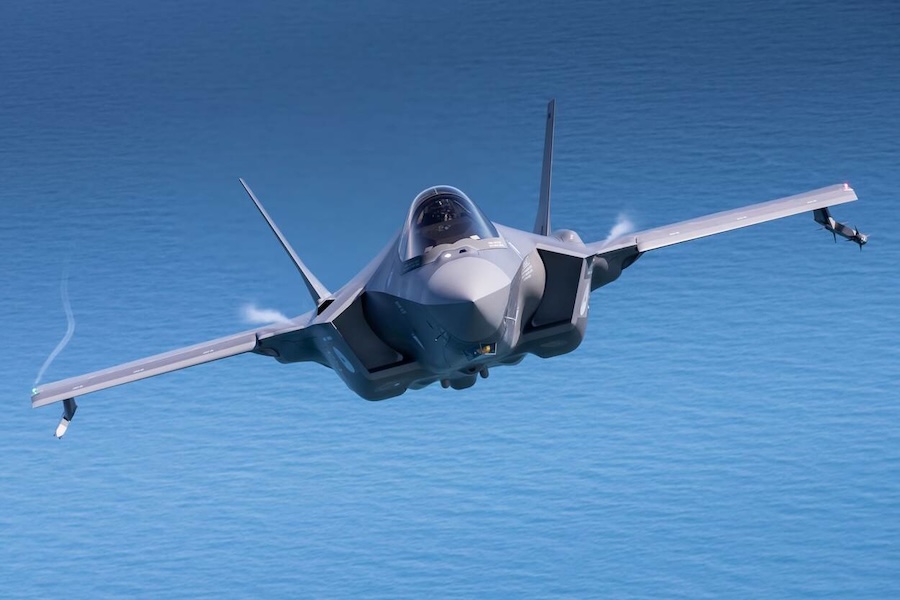
The proposed energy package would pave the way for Turkey to move forward with the purchase of Lockheed Martin F-35 Lightning II fighter jets. The signing of the broader agreement is reportedly expected on 7–8 July during the NATO summit in Ankara.
The timing aligns with remarks made earlier this month by the US Ambassador to Ankara, Tom Barrack, who indicated that the F-35 matter could be settled within the next four to six months. No official confirmation of the reported deal has been issued.
Turkey was formally removed from the F-35 programme in 2019 after acquiring the Russian S-400 missile system, which Washington said posed a risk to the aircraft’s sensitive technology. The status of the S-400 system remains uncertain, with options under discussion that reportedly include returning it to Moscow.
Israel and Greece, both operators of the F-35, have strongly opposed any potential Turkish acquisition of the aircraft. They argue that such a move would weaken their technological advantage in the region.
Source: Euractiv.