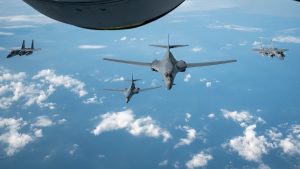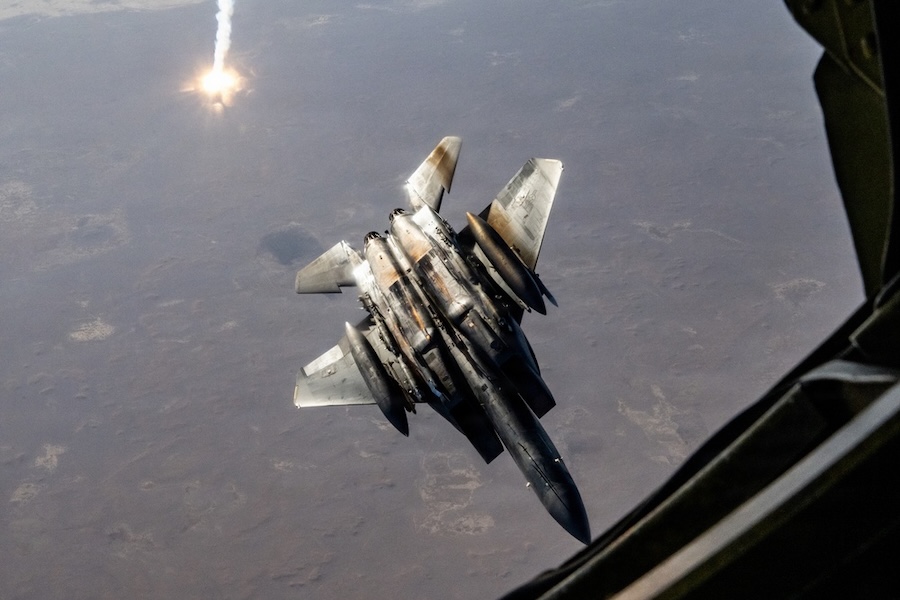

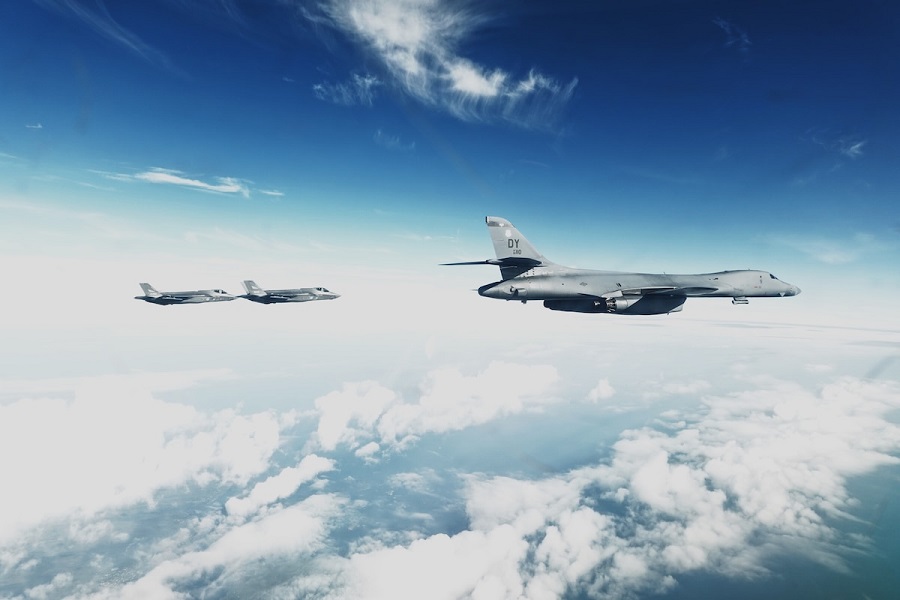
Routine deployments such as BTF 25-4B are designed to sharpen readiness by operating in environments shaped by anti-access and area denial threats. These conditions test the ability of U.S. and Allied forces to maintain freedom of manoeuvre in contested spaces.
“We’re training for today’s modern warfare,” said U.S. Air Force Lt. Col. Eric Alvarez, 345th Bomb Squadron commander. “There are challenging obstacles – whether on the ground, in the air and beyond – areas that may not allow freedom of maneuver. Ultimately, we are preparing to be resilient and postured for the future.”
By exercising in this geographical area, NATO forces improve joint integration, enhance survivability and demonstrate the ability to operate in complex, high-threat airspace. Training also focuses on effective targeting under these conditions.
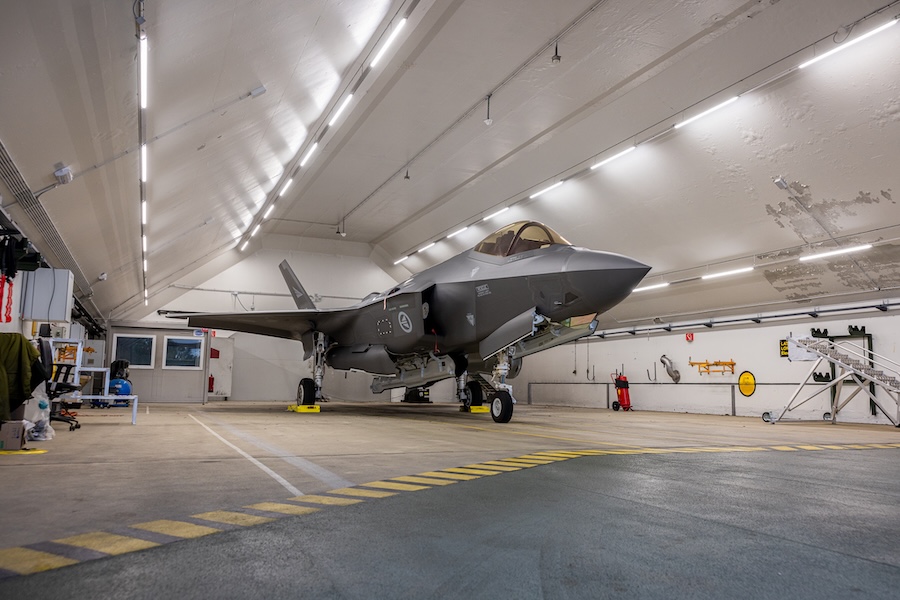
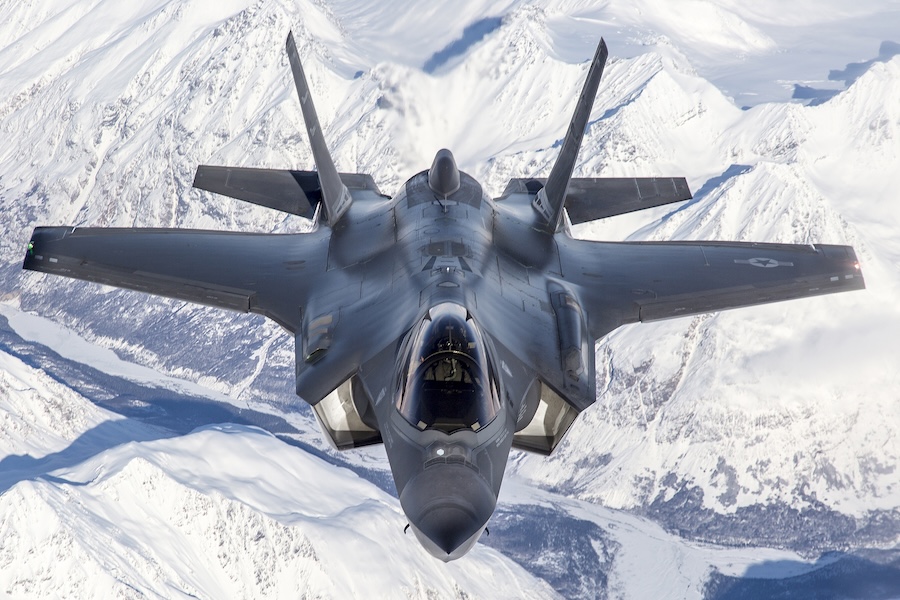
“We have the F-35, which is a multi-role fighter jet, which you might say is a jack-of-all-trades, master of none,” said Royal Norwegian Air Force Maj. Morgan, acting 332nd Squadron commander. “We are able to defend other aircraft, we are also able to drop weapons onto the ground. Whereas the B-1 is more specific and has long range and high-speed capabilities. Hopefully we are able to be there with the F-35 to assist in fulfilling the role of the B-1 and help by protecting them but also have their support in the air-to-surface portion of warfare training.”
The training demonstrated how the 345th EBS works with NATO Allies to find, fix, track and target threats in real time under anti-access and area denial conditions. This tactical process, known as F2T2, is central to maintaining operational effectiveness.
“A2AD is like a protective layer an adversary puts around itself,” said Capt. Lane Musgrave, 345th EBS project officer. “They want us to stay outside that layer, and we want to be able to get inside it to employ our effects.”
“The B-1B Lancer can’t get close enough alone to poke a hole in that layer, but the F-35s can,” added Musgrave. “So, this Ally-led training with the Royal Norwegian Air Force is incredibly important.”
The training mission reflected a wider U.S. and NATO commitment to building lasting security through cooperation. It also prepared forces for shared regional challenges by testing interoperability under Allied leadership.
“This training is vital—not only for refining our skills, tactics, and procedures, but also for strengthening our relationships with Allied partners,” said Alvarez. “It allows us to build familiarity, identify and address weaknesses, and enhance our overall proficiency. Ultimately, it makes us better, more capable personnel, and more adaptable as a force.”