The Air Force is undergoing what leaders described as a massive modernization effort to ensure it has the tools needed to win in a changing threat environment. Heather Penney, moderator of the panel and director of studies and research at the Mitchell Institute for Aerospace Studies, said, “Our Airmen face unrelenting demands across the world today, while the service must prepare for a growing threat environment that ranges from regional bad actors and their proxies, to peer adversaries who wish to reorder the globe.”
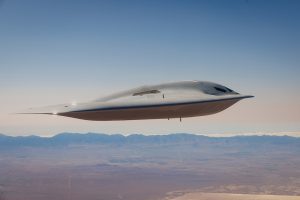
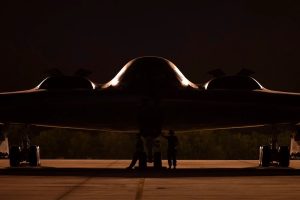
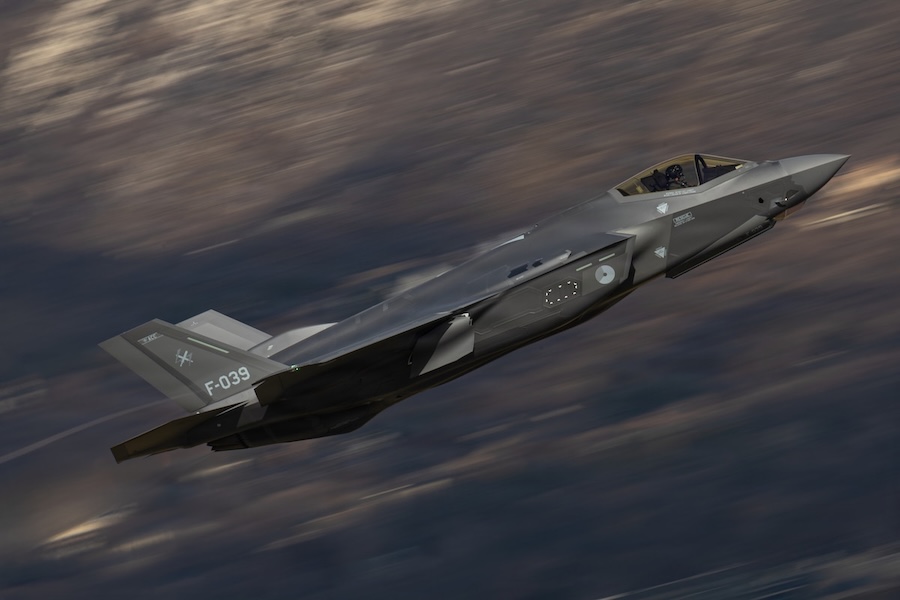
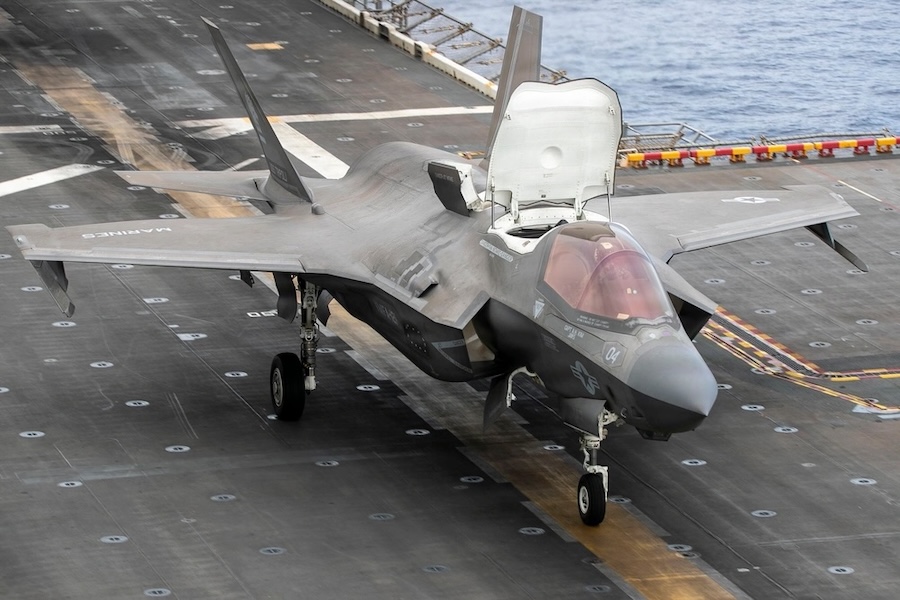
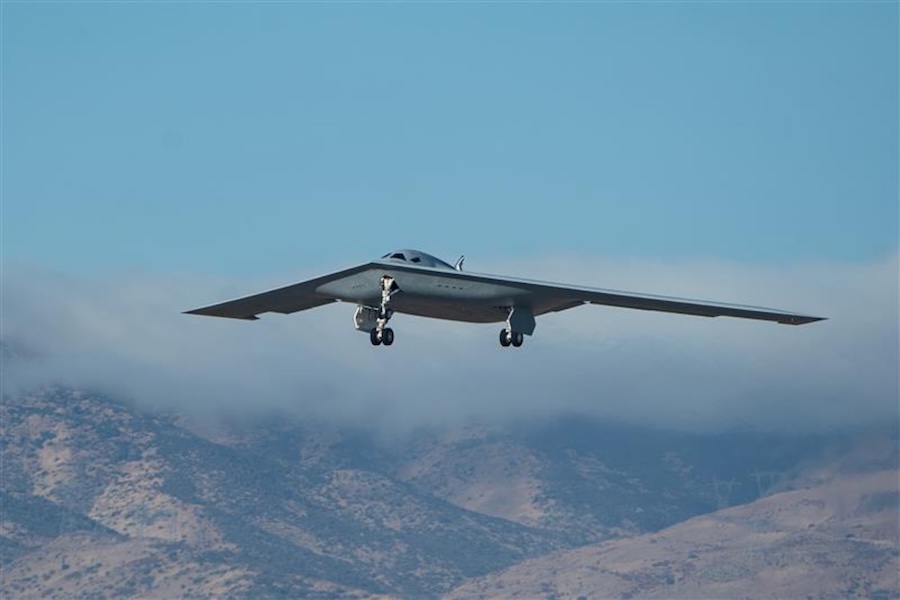
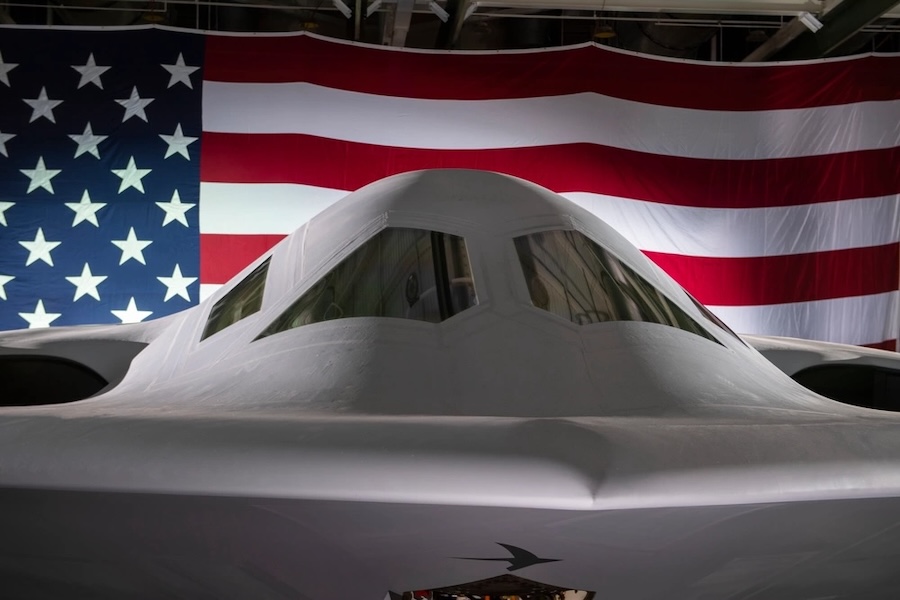
Penney added that “The service must strike a delicate balance between ready to fight tonight while developing and delivering next generation technologies on time and at scale.” That balance is central to decisions about future aircraft such as the F-47 and the B-21 Raider.
Thomas Lawhead, assistant deputy chief of staff for Strategy, Integration and Requirements at Headquarters U.S. Air Force, said the push for Force Design stems from the need to become the most lethal and adaptable force in the world. He explained that this transformation requires balancing the readiness of today’s force with aggressive modernization to stay ahead of emerging threats.
Lawhead said the Air Force is adjusting its acquisition and requirements processes to keep pace with rapid modernization and sustain readiness. “You need a force that is able to cross all those domains and close those key capability gaps,” Lawhead said.
He added that linking requirements to a validated, war-winning concept gives a strategic rationale for every investment and supports designing the force from the ground up. This shift also changes how the service evaluates platforms such as the F-47, focusing on capabilities rather than simple fleet numbers.
“Instead of asking ‘How many F-47s does the service need,’” Lawhead said the Air Force now asks, “what attributes, like lethality, survivability, long-range penetrating capability, and persistent connectivity, do we need to guarantee air superiority?” That approach reflects a move away from monolithic programs toward a networked, interoperable force.
Panelists agreed that the Air Force faces three major challenges: keeping pace with rapidly modernizing adversaries such as China, balancing readiness and modernization within the smallest and oldest force in its history, and delivering new capabilities at speed and scale. Lt. Gen. Jason Armagost, deputy commander of Air Force Global Strike Command, stressed the importance of refining the mix of penetrating aircraft and stand-off weapons, noting that both are essential.
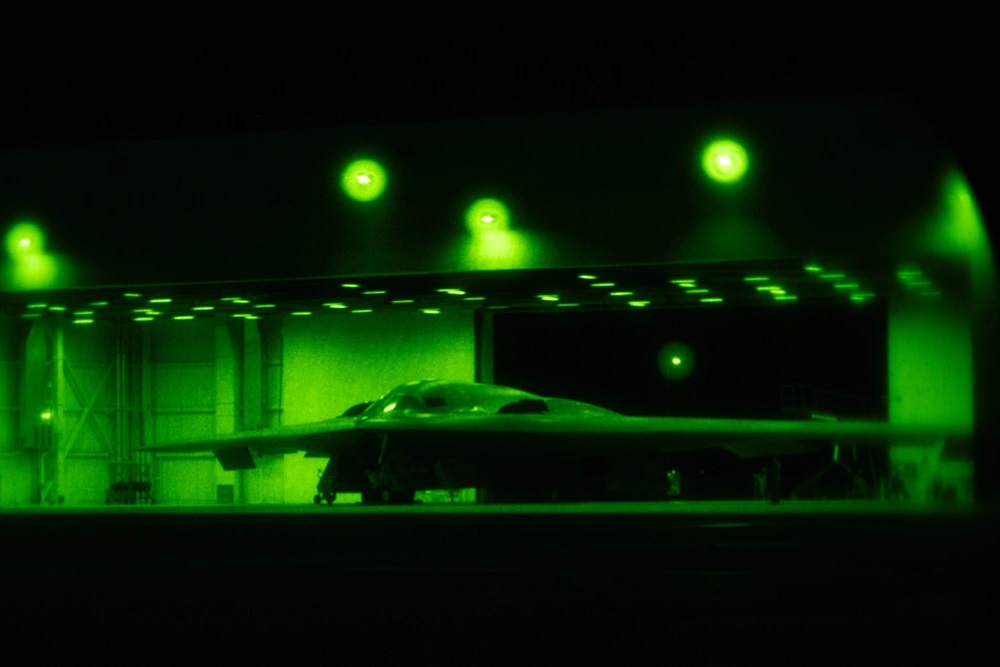
Addressing claims that stealth is obsolete, retired Gen. James Holmes of Boeing Defense and Armagost emphasized that low observable technologies remain critical, particularly when combined with advanced sensing and electronic warfare. The B-21 Raider, as a penetrating bomber, reflects that continued emphasis on survivability in contested environments.
Panelists also underscored the need for fleet-wide electromagnetic spectrum operations that integrate sensors, apertures, and spectrum tools across platforms. This integration is intended to complicate adversary targeting and preserve decision advantage during joint operations.
As the Air Force works to increase the lethality of the current force while introducing new aircraft, Penney asked how programs such as Collaborative Combat Aircraft, the B-21, and the F-47 are being integrated. Lawhead pointed to a new digital wargaming capability designed to assess future force concepts.
“We are building a digital Wargaming capability called WarMatix, that starts to get after the long-term capabilities that we need,” Lawhead said. He explained that the system will allow the service to evaluate platforms like the B-21 and F-47 operating alongside the existing fleet and the Joint Force.
By leveraging artificial intelligence to generate adaptive opposition and automate adjudication, WarMatix will enable rapid testing against adversaries that learn and adjust their behavior in contested environments. The panel concluded that agility, survivability, and joint integration remain central to the Air Force’s Future Force Design as it balances readiness today with modernization for future conflicts.
Source: U.S. Air Force.