

Aircraft from the U.S. Air Force, U.S. Navy, and U.S. Army took part, combining their capabilities to demonstrate America’s integrated air and missile defence strength. This collaborative effort underscored the U.S. commitment to joint operations and showcased the seamless coordination between different military branches.

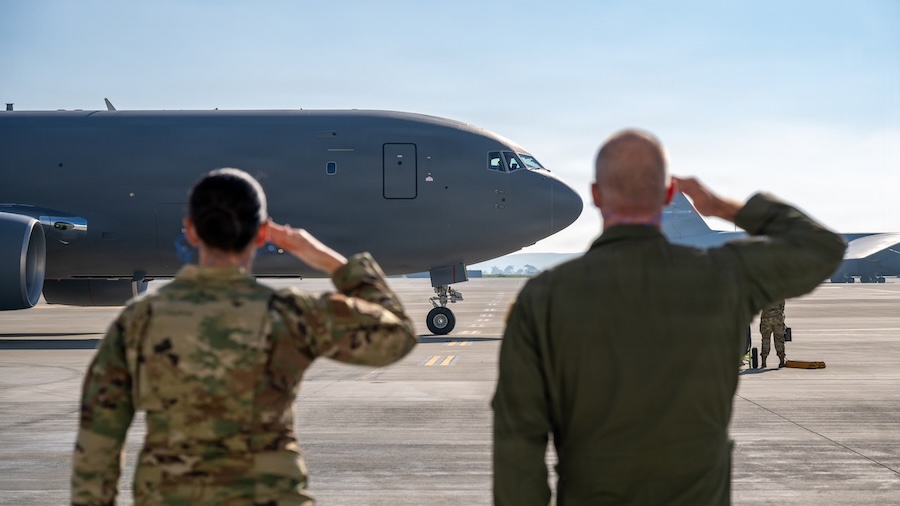
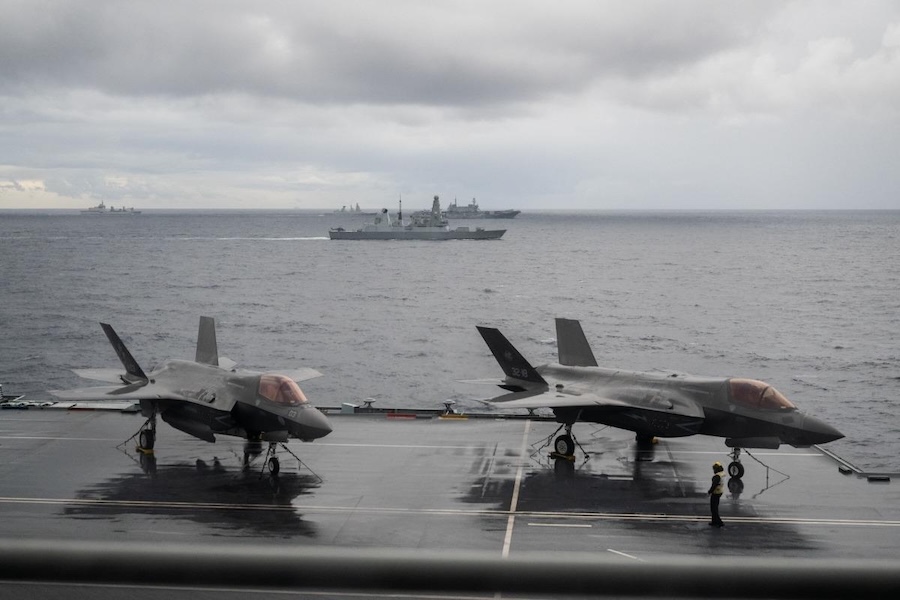
The impressive formation included 24 U.S. Air Force F-35As, eight F-15Es, six HH-60 Jolly Green IIs, two MQ-9 Reapers, two MC-130J Commando IIs, six KC-135 Stratotankers, one RC-135 Rivet Joint, one E-3G Sentry, two U.S. Navy EA-18 Growlers, one P-8 Poseidon, and two U.S. Army MIM-104 Patriots. Such diversity highlights the 18th Wing’s ability to leverage multi-domain capabilities to deter adversarial threats.

Brigadier General Nicholas Evans, 18th Wing commander, emphasised the strategic importance of the exercise, stating, “Working alongside our allies and partners, Kadena stands ready to project airpower throughout the region to ensure a free and open Indo-Pacific.”
Chief Master Sergeant Brandon Wolfgang, the 18th Wing command chief master sergeant, elaborated on the significance of the event, saying, “An elephant walk like this sends a message you can’t ignore—it shows our Airmen, allies, and adversaries that we’re united, capable, and ready. This kind of teamwork and presence is exactly how we maintain deterrence in the Indo-Pacific.”

The exercise required precise coordination and support from personnel across Okinawa, working alongside the Wing’s maintenance and operations groups. This ensured the smooth movement and accurate positioning of the aircraft, showcasing the professionalism essential to complex mission executions.
U.S. Air Force Colonel David Deptula, 18th Operations Group commander, praised the joint effort, remarking, “From maintenance and aircrew to logistics and sustainment, it’s a total team effort that reflects the strength and professionalism of the joint team at Kadena.”

The event demonstrated the 18th Wing’s commitment to working with partners to safeguard the first island chain and maintain peace in the Indo-Pacific. Through exercises like this, the U.S. Air Force continues to affirm its resolve in countering potential threats in the region.