

U.S Air Force suspends C-130J Super Hercules transport aircraft deliveries amid communications system issues

By Martin Chomsky (Defence Industry Europe)

Deliveries of new C-130J Super Hercules transport aircraft to the U.S. Air Force were abruptly halted in 2025 due to problems integrating a modified communications system, according to U.S.-based outlet Aviation Week. The issue emerged after Lockheed Martin began installing the updated system to replace outdated electronic components, but testing revealed unspecified incompatibilities, prompting a temporary suspension to ensure the aircraft meet all safety standards.
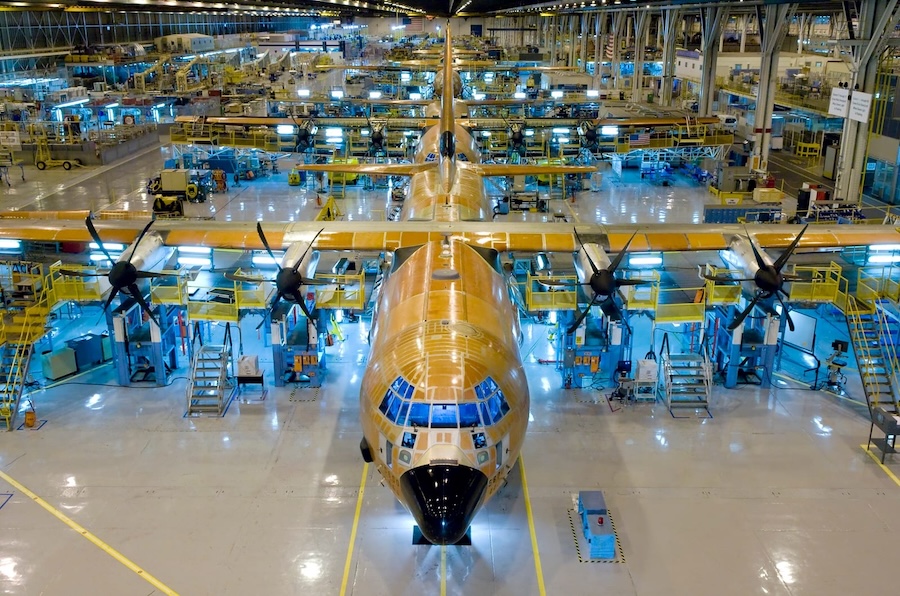
Photo: Lockheed Martin.

Deliveries of new C-130J Super Hercules transport aircraft to the U.S. Air Force were abruptly halted in 2025 due to problems integrating a modified communications system, according to U.S.-based outlet Aviation Week. The issue emerged after Lockheed Martin began installing the updated system to replace outdated electronic components, but testing revealed unspecified incompatibilities, prompting a temporary suspension to ensure the aircraft meet all safety standards.


The decision followed the initial acceptance of only two Super Hercules aircraft in 2025, while problems affecting subsequent aircraft built to the newer standard had not been resolved by the end of January 2026. By comparison, the manufacturer delivered 21 C-130J aircraft the previous year, and despite the formal halt in new acceptances by the military, production continued throughout the remainder of 2025, with completed aircraft to be handed over once the communications system issues are resolved.

Lockheed Martin has said it has plans in place to quickly resume deliveries and forecasts production of between 16 and 24 aircraft this year. The C-130 Hercules, whose prototype first flew on August 23, 1954, remains the longest continuously produced aircraft design in history and continues to be upgraded to meet modern battlefield requirements, with ongoing orders expected to keep the assembly line in Marietta operating at least through the end of the current decade.


Source: Aviation Week.


Tags:

Related news & articles

Latest news

Featured