

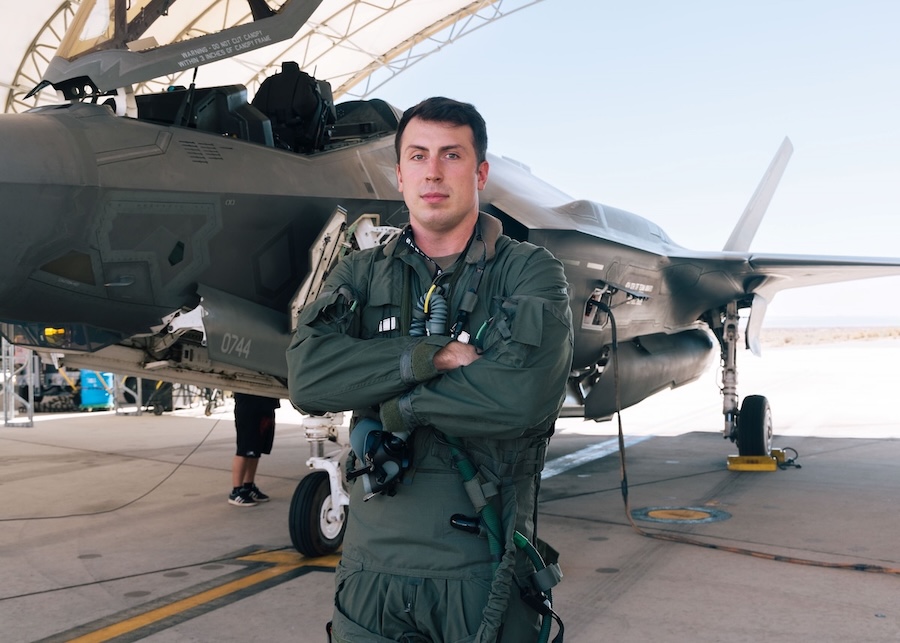
Elder will command an all-volunteer crew in the next phase of NASA’s Crew Health and Performance Exploration Analog mission, known as CHAPEA. The mission will study human performance during long-duration exploration by having four crew members live for more than a year inside the Mars Dune Alpha habitat at Johnson Space Center in Houston.
A native of Williamstown, West Virginia, Elder built his career through academic and operational aviation roles, including degrees in astronomical and mechanical engineering and extensive flying as an Air Force pilot. After graduating from the Test Pilot School as part of class 20-B, he flew nearly 20 aircraft types and later served as an instructor at the school.
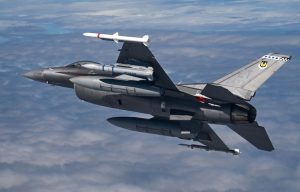
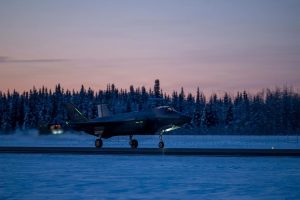
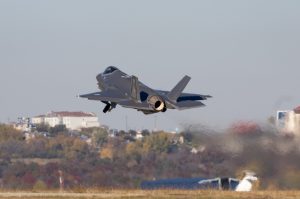
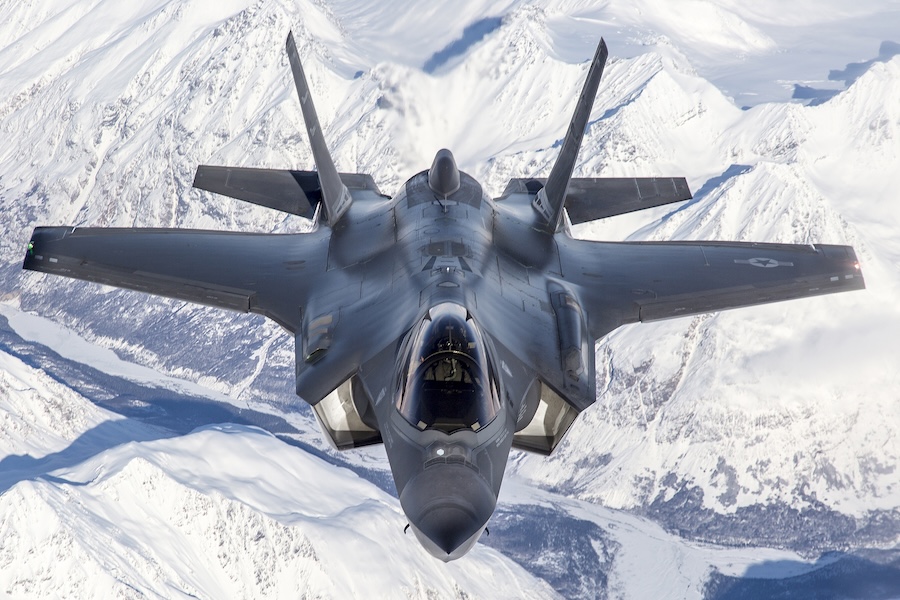
Following years of testing aircraft such as the F-15EX Eagle II, F-35 Lightning II and the XQ-58 Valkyrie, Elder transitioned to NASA and relocated to Johnson Space Center. “To switch roles after testing for so long and becoming the subject being observed is a cool, but new, feeling. Entering that habitat for the first time was surreal when you realize this space is your future home,” Elder said.
Elder said the CHAPEA mission shares strong similarities with test pilot work, particularly in preparing for unexpected situations with limited support. “In the test community we strive to be comfortable in uncomfortable situations, and this next assignment is no different,” he said. “My primary concern is going to be ensuring our extremely talented crew members have everything they need to be successful in this journey.”
He also highlighted the challenge posed by communication delays between Earth and Mars, which can take up to 45 minutes for a single exchange. Reflecting on the broader aerospace field, Elder said, “Aerospace as a whole is only going to continue to converge into a single multi-domain process.”
The Air Force Test Pilot School has expanded its focus on space through new courses and facilities, including a dedicated Space Test Course and satellite operations centre. “I am absolutely humbled to be selected for this mission,” Elder said. “There will never be a single giant leap to Mars, but it’s a combination of everything that happens from the Edwards lakebed to the atmosphere above that will ultimately position humans as an interplanetary species.”
Elder is the first Test Pilot School instructor selected to lead a NASA mission and joins fellow graduates Maj. Adam Fuhrmann and Maj. Cameron Jones, who were also chosen as astronauts for future missions. Their selection reflects the school’s continuing role in preparing personnel for advanced aerospace and space exploration challenges.
Source: U.S. Air Force.