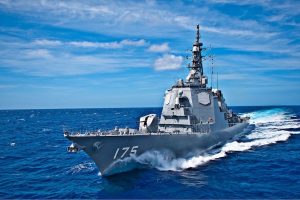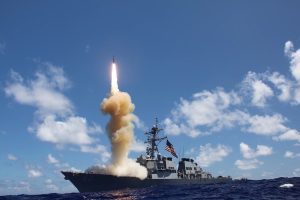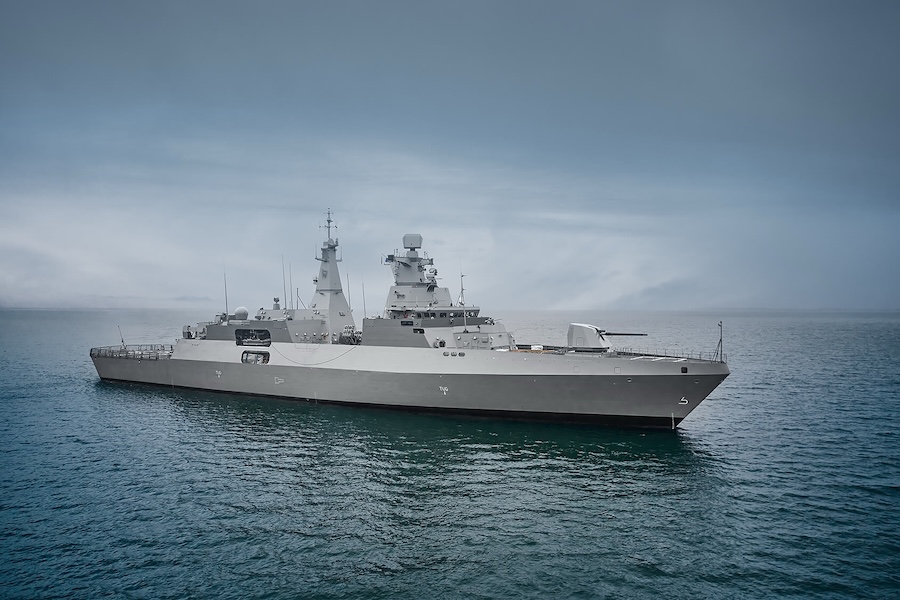


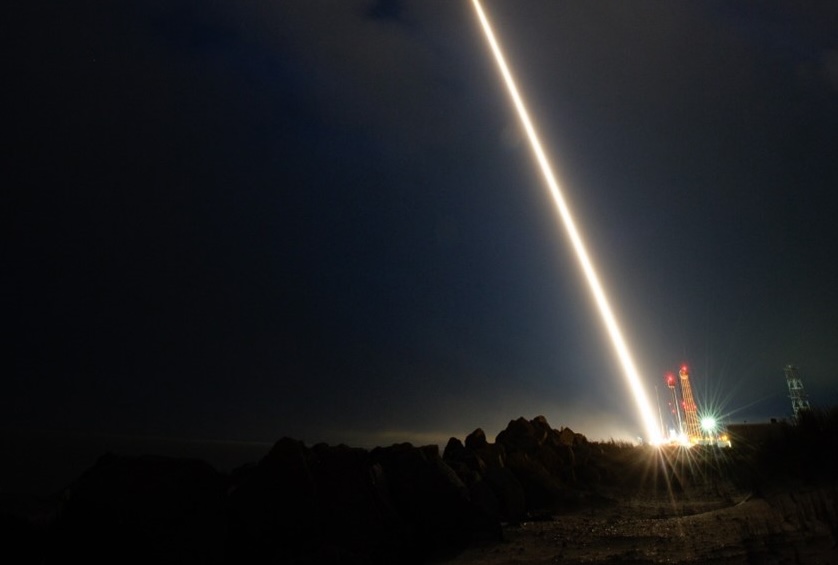
The test was conducted on March 17 and 19 off the east coast of the United States as part of ongoing development efforts. It represents a critical milestone in integrating the ASEV Shipset 1 configuration for Japan’s future missile defence vessels.
The developmental testing involved two separate events, each featuring a live target launch. During both scenarios, the SPY-7 radar, integrated with the Aegis Weapon System, successfully tracked the targets and concluded with simulated engagements.
The combined results provided multiple datasets to support the evaluation of tracking and engagement capabilities. The exercise contributed to validating system performance and reducing risk ahead of further programme development.
“JFTX-01 is a significant milestone in the longstanding cooperation between Japan and the U.S., and in the combined development and integration efforts for the ASEV program,” said Lt. Gen. Heath Collins, MDA director. “Once complete, ASEV will provide Japan with the latest Ballistic Missile Defense capabilities and significantly bolster their defense against regional missile threats.”
The MDA led the testing effort, which delivered key data on search, detection, identification and tracking performance. The results will support Japan’s continued development of its Aegis-based missile defence systems.
Following completion of integration testing, including JFTX-01, the ASEV Shipset 1 equipment is scheduled for delivery to Japan. The programme is being conducted under a Foreign Military Sales arrangement between the two countries.
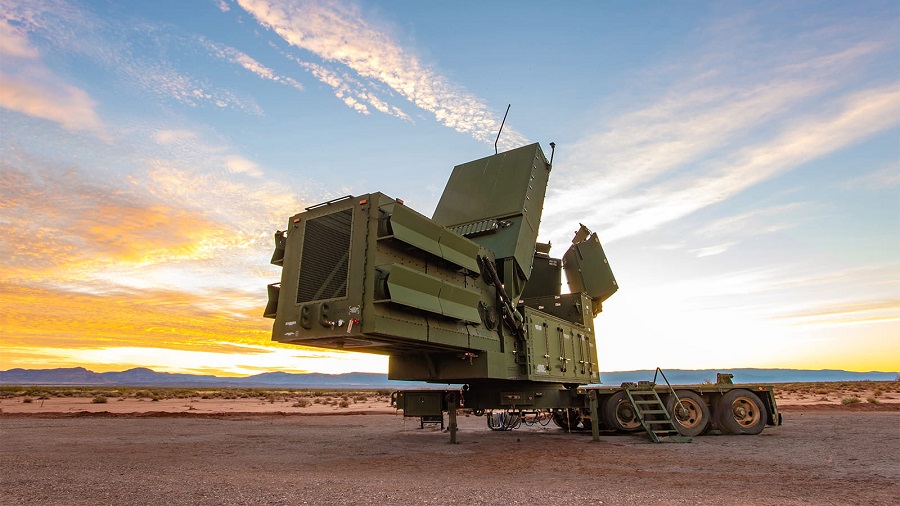
The SPY-7 radar incorporates technology derived from the Long Range Discrimination Radar developed by the MDA and deployed in Alaska. The system is intended to enhance Japan’s ability to detect and respond to ballistic missile threats in the region.