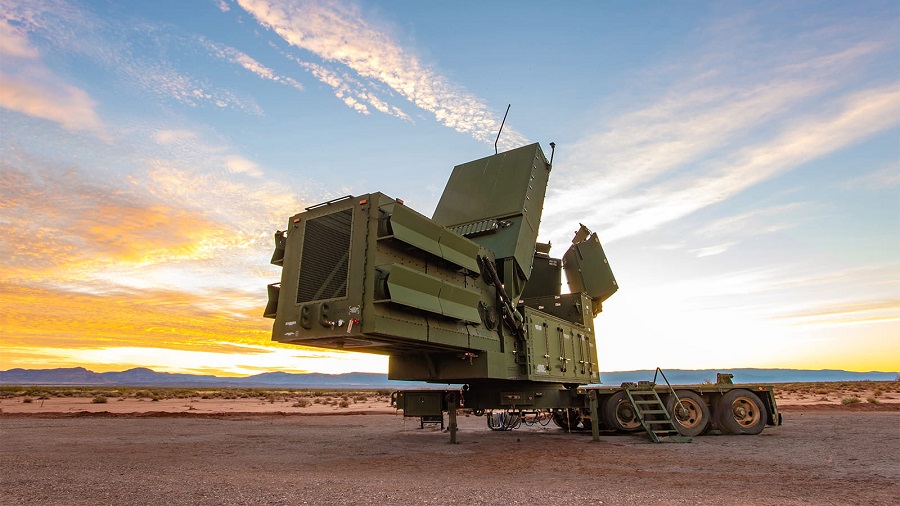
The first request, valued at up to $2.1 billion, covers the possible acquisition of the FS-LIDS counter-drone system. The package includes ten systems equipped with KuMRFS radars, electro-optical targeting systems, Coyote missile launchers and 240 Coyote Block 2 interceptors.
The proposed sale also includes fire control stations, communications equipment, spare parts and diagnostic tools. It further includes logistics and training support, with RTX identified as the principal contractor responsible for the system.
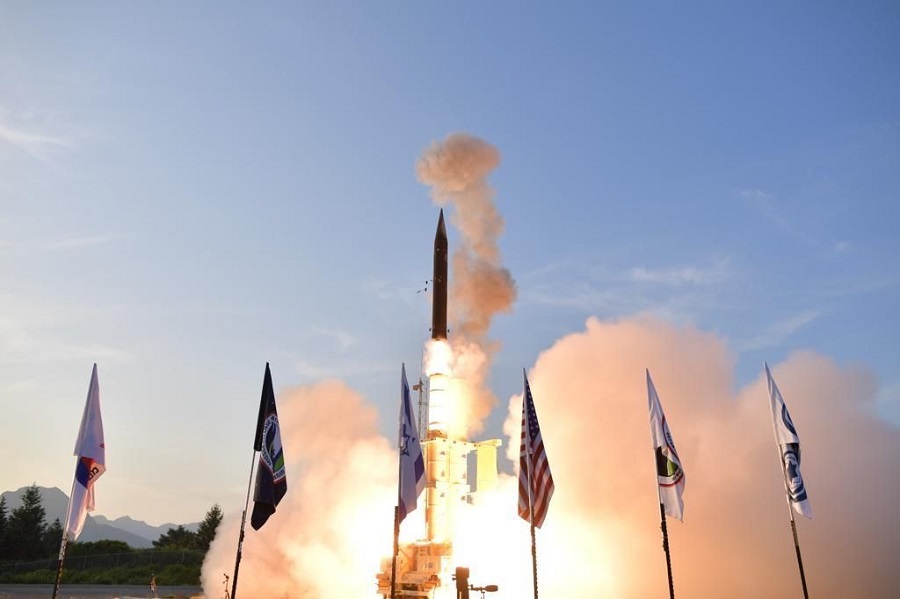
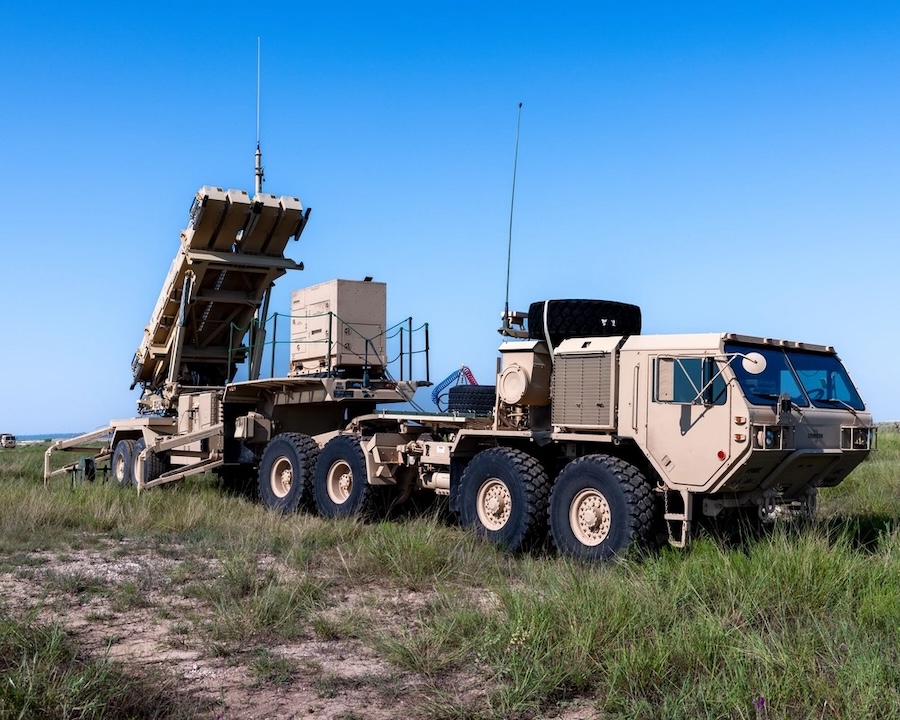
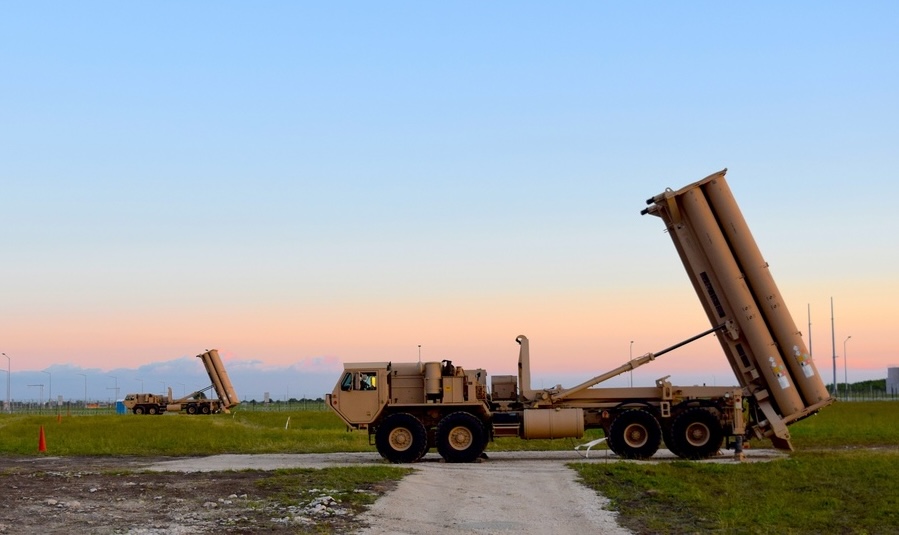
The second request, with a maximum value of $4.5 billion, concerns the expansion of the UAE’s THAAD missile defense system. It includes one radar integrated with THAAD, 12 Sentinel A4 data transmission modules, and additional fire control and command units.
The package also includes spare parts, support equipment and U.S. logistical and training assistance. The upgrades are intended to enhance the performance and coverage of the UAE’s existing missile defense network.
The United Arab Emirates was the first international customer to acquire the THAAD system under a government-to-government agreement. Deliveries began in 2015, with the system entering operational use in 2016.
Since then, THAAD has become a key component of the country’s defense architecture against ballistic missile threats. The newly approved requests are expected to further strengthen protection of critical infrastructure and strategic locations.