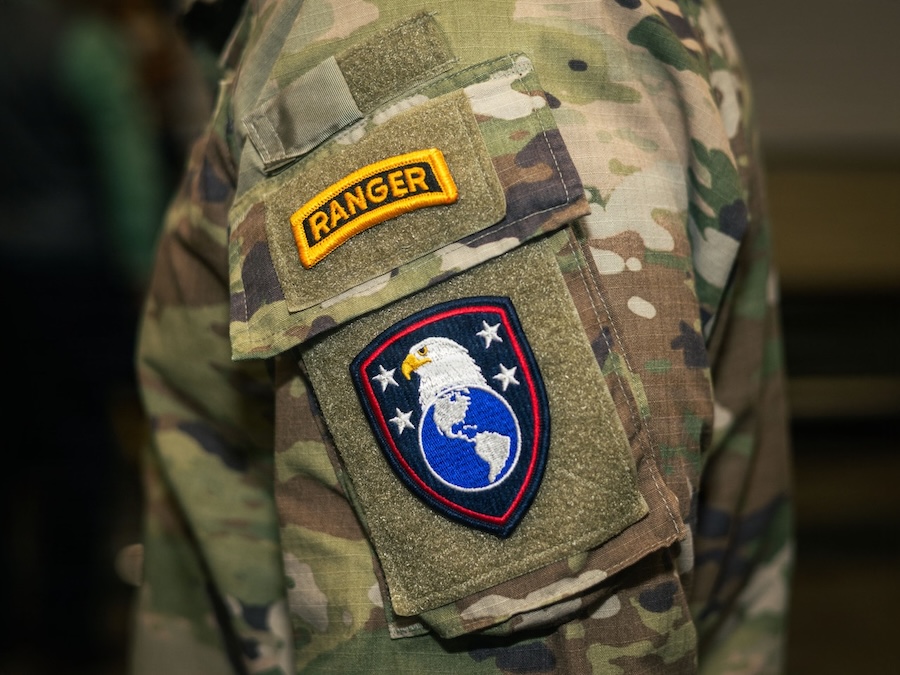
“Today we become something new, but [U.S. Army Forces Command]’s spirit of readiness, resilience and warfighting strength will not fade. Rather, that spirit will radiate throughout the Army,” Poppas said after more than 37 years of service. Army Gen. Joseph A. Ryan assumed command of the new headquarters, having previously served as the deputy chief of staff for Operations, Plans and Training.
The activation marks a significant step in the Army’s wider campaign to modernise command structures and increase operational agility. West-Hemcom is now the operational theatre command overseeing Army plans, posture, operations and power projection in support of U.S. Northern and Southern Commands.
“Western Hemisphere Command is designed for speed, flexibility and relevance to effectively respond to challenges in our complex times,” said Army Chief of Staff Gen. Randy George. “By consolidating these headquarters and aligning the theater, we will streamline processes, eliminate redundant efforts and free up talent and resources. This will allow us to better support our fighting formations.”
West-Hemcom brings together domestic-response capabilities from Army North, regional engagement expertise from Army South and large-scale readiness oversight from Forces Command. The Army stated that this integration will provide uninterrupted readiness, rapid force generation and improved capacity for homeland defence, civil support and crisis response.
“Today is much more than a change of command ceremony,” Poppas said. “It’s a major step toward the merger of three powerhouse Army headquarters into one operational, transregional team that will face the nation’s top strategic priorities.” The activation begins a conditions-based transformation that continues through 2026.
By February 2026, the command is expected to reach initial operational capability and be assigned to Southcom and Northcom in preparation for accepting theatre Army authorities. Following that milestone, Army North and Army South will inactivate, with full operational capability anticipated by summer 2026.
“Today, we continue in the Army’s rich history of transformation — combining Forces Command, Army North and Army South — to form the United States Army Western Hemisphere Command,” Ryan said. “The Army is making an enormous investment in this transformation, combining three important, effective and historically capable commands into one. It is our responsibility to deliver returns on that investment.”
Source: United States Department of War.