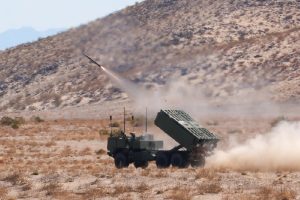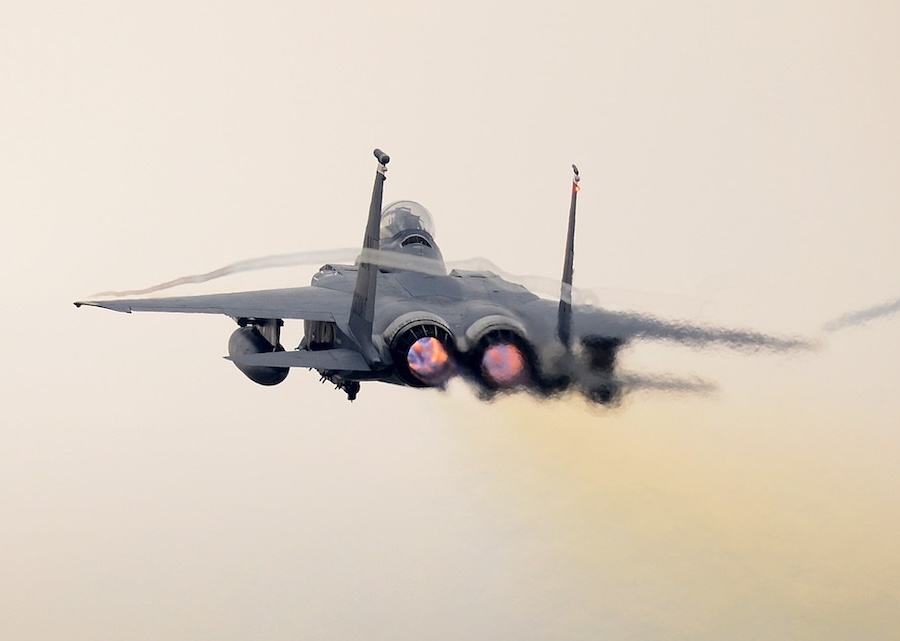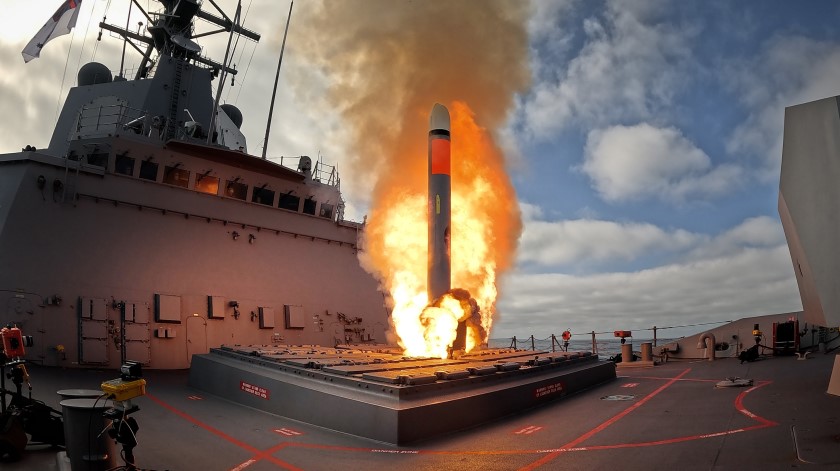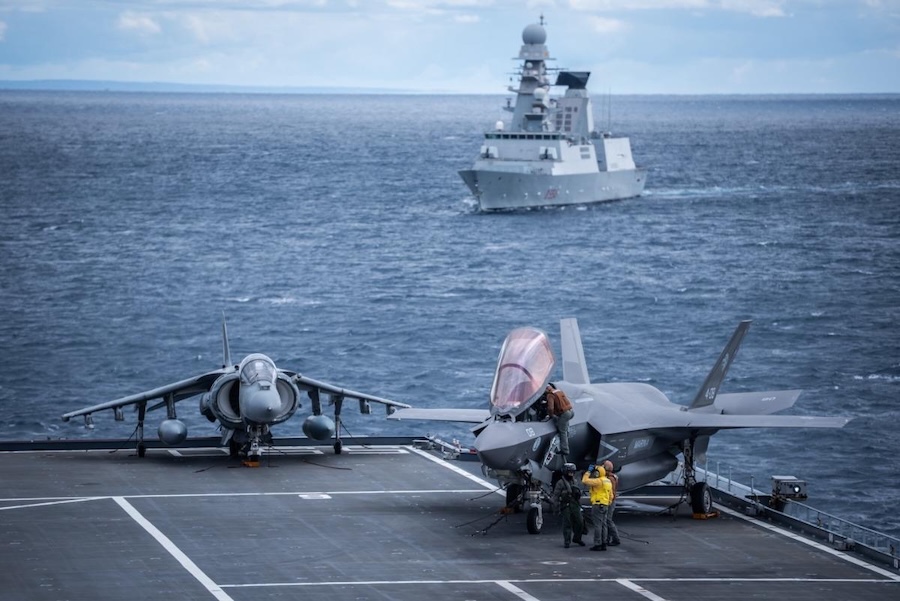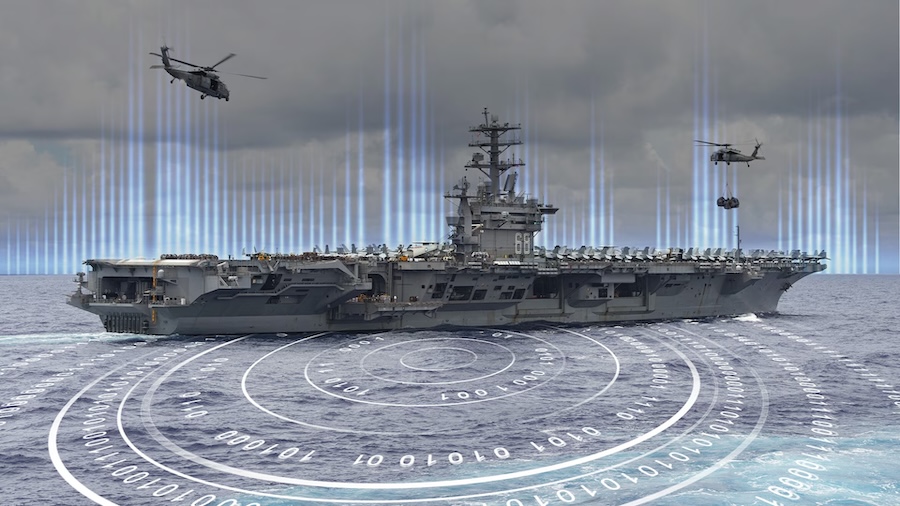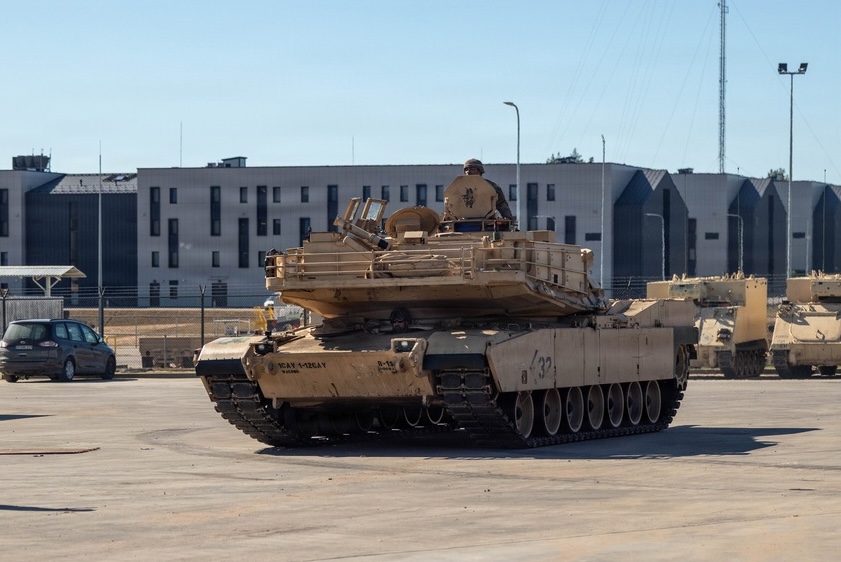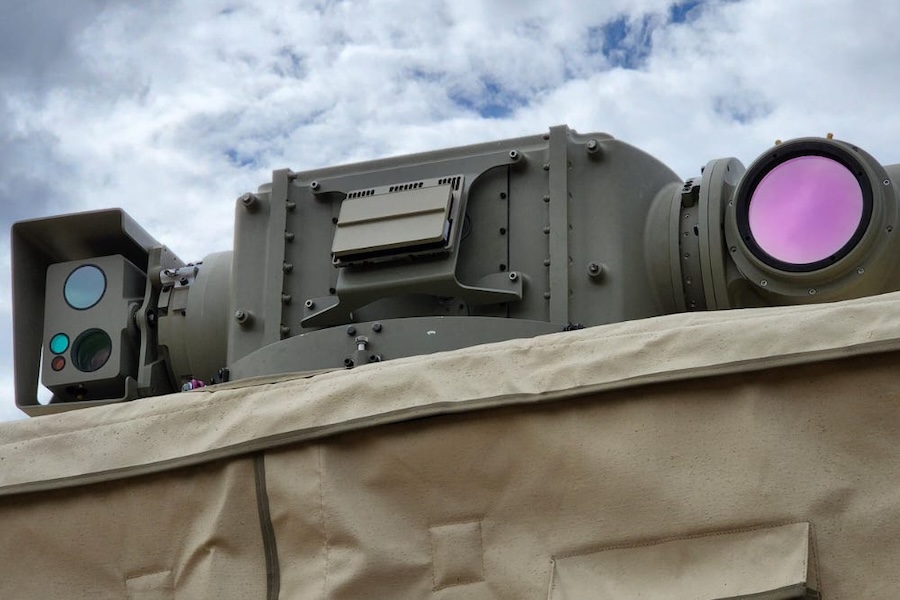



Built on lessons from previous Project Convergence events, PC-C5 aimed to test new military concepts aligned with future U.S. Army and Joint Warfighting strategies. The experiments combined both live and simulated scenarios to evaluate advanced technologies across multiple domains.
Key areas of focus included data-driven decision making, expanded manoeuvre across land, sea, air, space, and cyberspace, and seamless multinational interoperability. Brigadier General Zachary Miller, PC-C5 Deputy Experiment Director, said: “What Project Convergence does is bring every single war-fighting system we have together in one place.”
Four central concepts were tested: expanded manoeuvre, cross-domain fires, formation-based layered protection, and command and control (C2) alongside counter-C2 operations. These concepts reflect how future warfare will depend on rapid coordination and protection across all domains, including the electromagnetic spectrum.
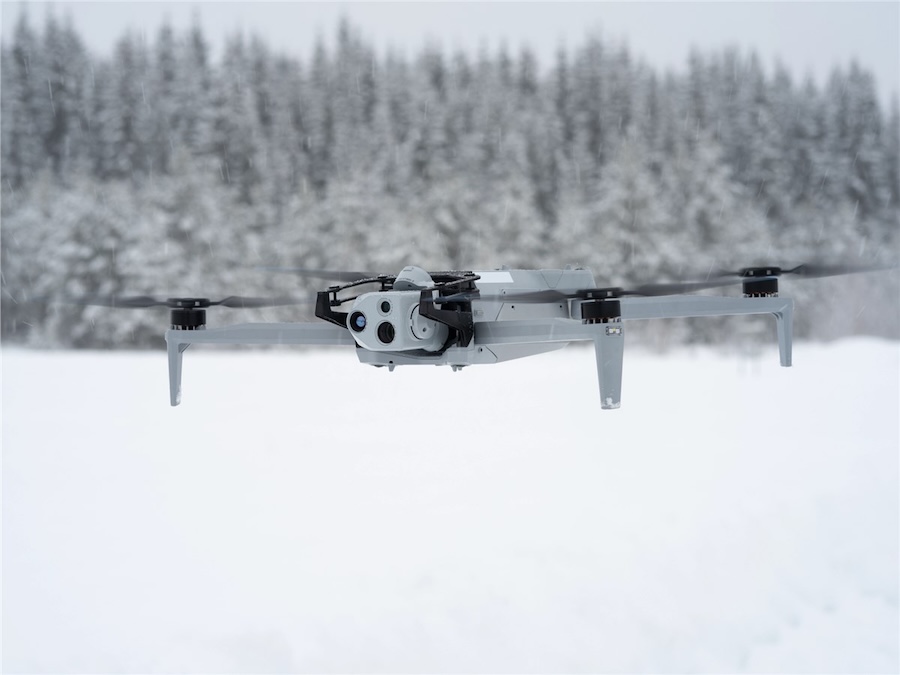
Troops deployed legacy systems alongside new technologies like drones, robotics, and concealment tools in realistic combat settings. “Since last Capstone (PC-C4), the Army has thought deeply about the future operating environment and what it is going to take to win,” said Miller.
Three main vignettes showcased the integration of forces and technologies. In Vignette One, the 82nd Airborne Division, with British and Australian partners, conducted a Joint Forcible Entry Operation to gain airspace dominance.
Vignette Two followed with the 1st Armored Division and multinational forces executing a Combined Arms Breach, relying on robotics, autonomy, and advanced command systems. This phase focused on survivability and preparing conditions for a final defence.
Vignette Three concluded with the 1st Armored Division defending and holding seized terrain while generating combat power to neutralise enemy threats. Command and control, paired with timely data, played a critical role in the success of each scenario.
“What we’re trying to do is take these emerging technologies where we can get this data better and faster to execute,” said Lieutenant Colonel Tad Coleman of the 1st Armored Division. His comments reflect the importance of information speed and integration on modern battlefields.
Senior leadership observed the exercise early in Dr Daniel Driscoll’s tenure as the new Secretary of the Army. “The world is changing rapidly, and we must ensure the Army is prepared to operate in new, complex, and contested environments,” said Driscoll, reaffirming readiness and modernisation as top priorities.
General Randy George, Army Chief of Staff, also highlighted the benefits of real-time experimentation. He noted the flexibility of the “Transforming in Contact” approach, stating, “We can also do it in every different environment… that’s the real advantage of TiC.”
As Scenario A concluded at the National Training Center, some participants transitioned to Scenario B in the U.S. Indo-Pacific Command. This follow-on experiment brings all service components together at the combatant command level, expanding learning into new theatres.
Project Convergence serves as a key part of the Army’s campaign of learning, aiming to integrate its role within the Joint and Multinational Force. By converging effects across all operational domains, the Army seeks to maintain a decisive advantage over future adversaries.