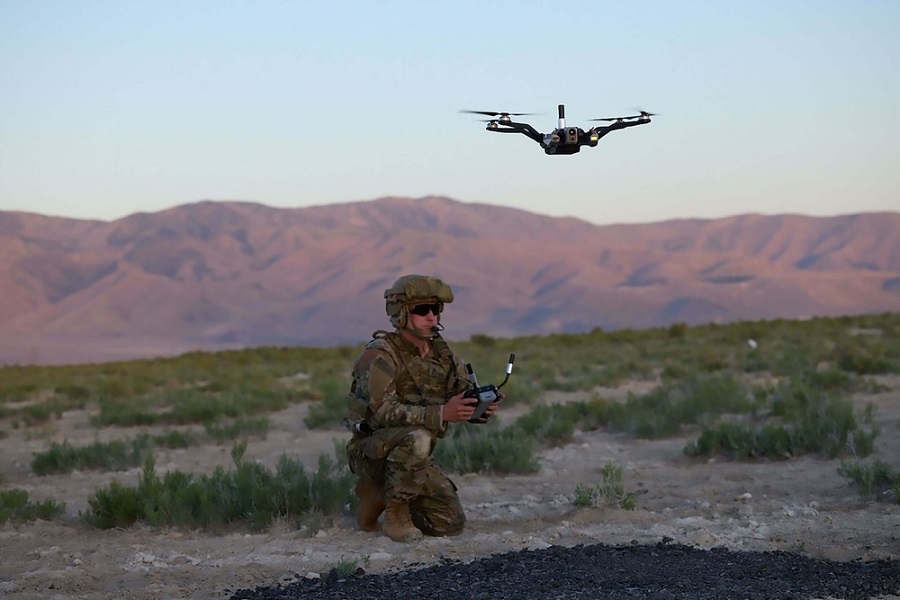
Initial fielding of the first tranche began in September 2022, with more than 16 brigades now equipped with the capability. The Army stated that critical lessons and Soldier feedback from tranche one have been incorporated in tranche two, with future tranches set to introduce further technological advances on an accelerated schedule.
The TiC initiative forms part of a wider effort to assess how personnel, tactics and technologies can adapt to the challenges of modern warfare. According to the U.S. Army, “The Program Manager for Uncrewed Aircraft Systems remains committed to delivering essential equipment to soldiers in time to support the Army’s strategic objectives.”
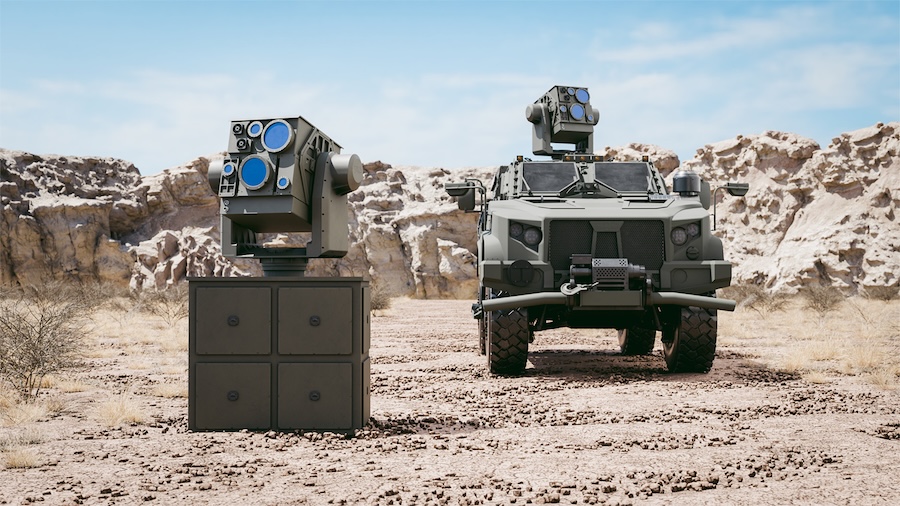
SRR systems are designed to act as force multipliers, enabling precise fires and supporting ground operations with timely intelligence. They integrate cutting-edge sensors with Uncrewed Vehicle Control and Android Tactical Assault Kit systems, providing real-time reconnaissance and target acquisition to empower commanders in rapid decision-making.
The Army noted that these drones also improve Soldier survivability by identifying threats, mapping safe routes and reducing exposure to hazards. “These systems act as force multipliers, enabling precise fires, supporting ground operations with timely intelligence, and enhancing operational flexibility and agility,” the Army said.