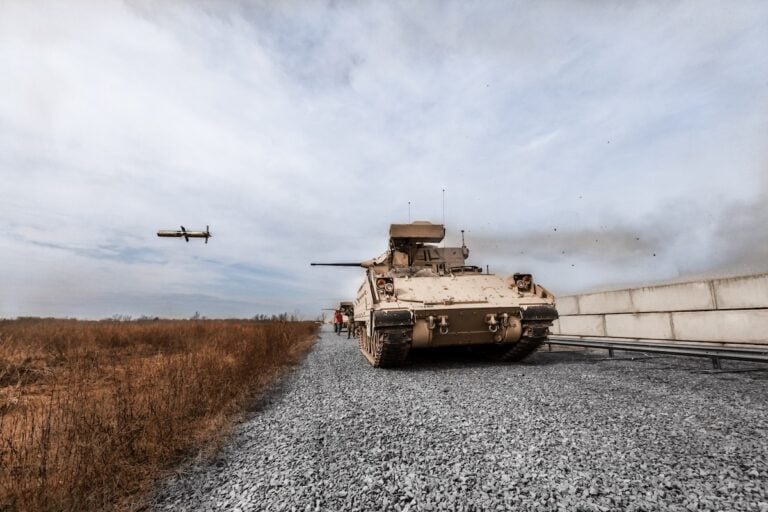
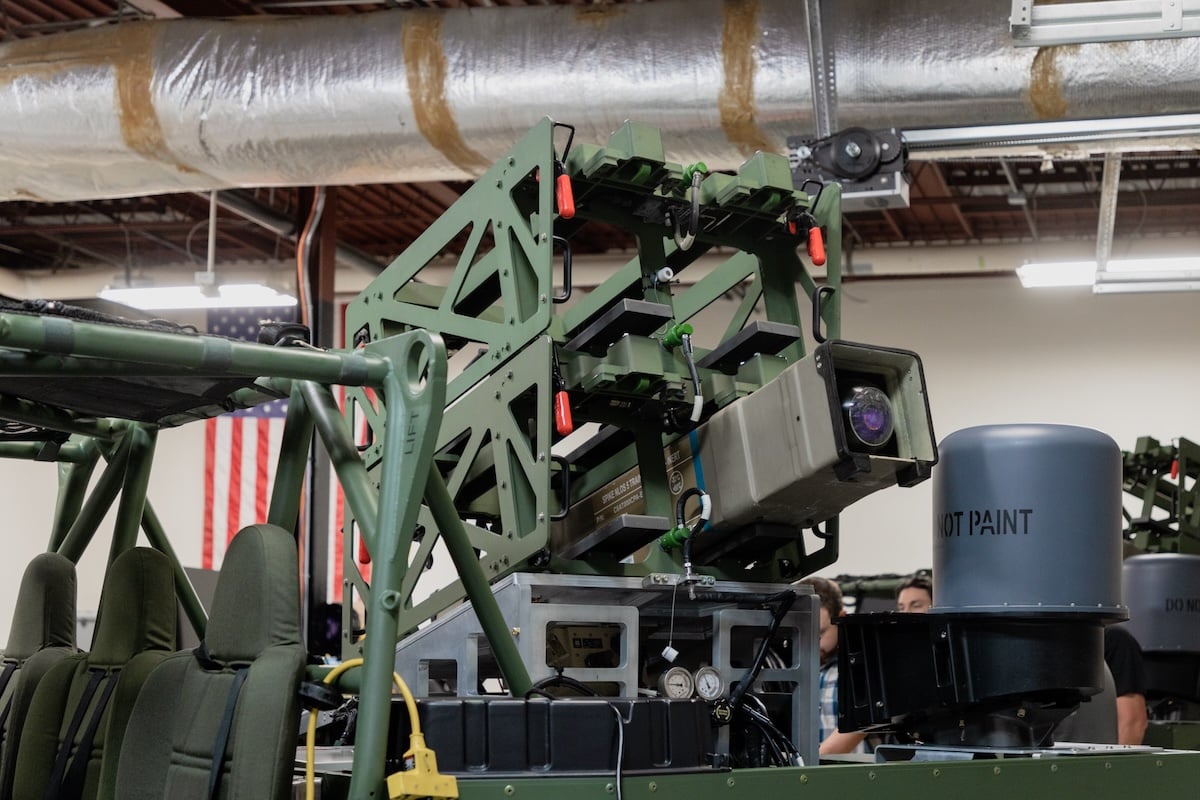
Soldiers conducted most of the shots, with all launches made from the vehicle at varied combat ranges. The demonstration supports the Army’s Mobile-Long-Range Precision-Strike Missile, or M-LRPSM, directed requirement.
The integration is intended to give the Army’s Mobile Brigade Combat Team a mobile weapon capable of engaging targets beyond line of sight. Lockheed Martin said the demonstration validated safe employment from the platform and the precision needed to engage high-value targets.
Soldiers completed training and carried out live-fire missions within the same week. Their experience will help inform requirements as the Army assesses the system.
“This demonstration represents a critical milestone for Spike NLOS, showing that our infantry partners can confidently employ a long-range precision missile,” said Casey Walsh, program director, Lockheed Martin Multi-Domain Missile Systems. “The live‑fire data and soldier feedback gathered here will support the shaping of the final M‑LRPSM requirements and accelerate the fielding of a game‑changing long‑range precision strike capability.”
Transformation-in-Contact units were among the first to handle the missile and will retain a hands-on role in further validation testing. Feedback gathered through soldier assessments will help shape the final M-LRPSM requirements.
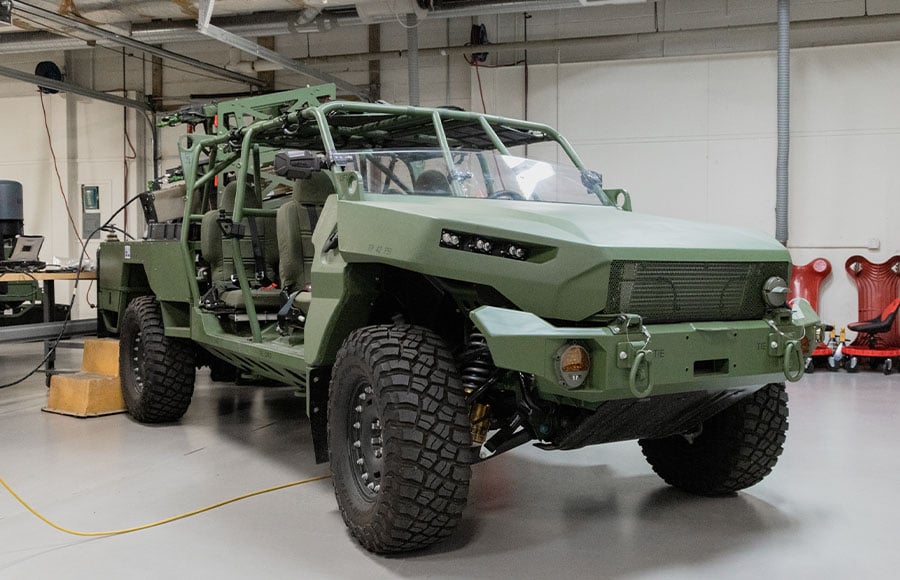
Additional validation testing is planned over the next year before Phase 3. That phase will include the start of initial operational production and delivery of final system prototypes to the Army.
The latest event follows an earlier Phase 1 demonstration and subsequent Phase 2 milestones. Lockheed Martin said integrating the missile onto the ISV-U is intended to improve combat agility and shorten the decision cycle in high-intensity conflict.