

Cooper said the operations targeted sites deep inside Iran and involved multiple aircraft. He added that the “areas surrounding Tehran” were the primary focus of the B-2 missions but did not disclose the exact locations that were struck.
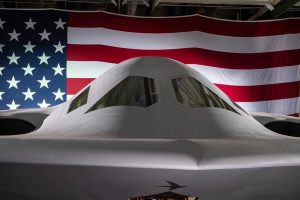
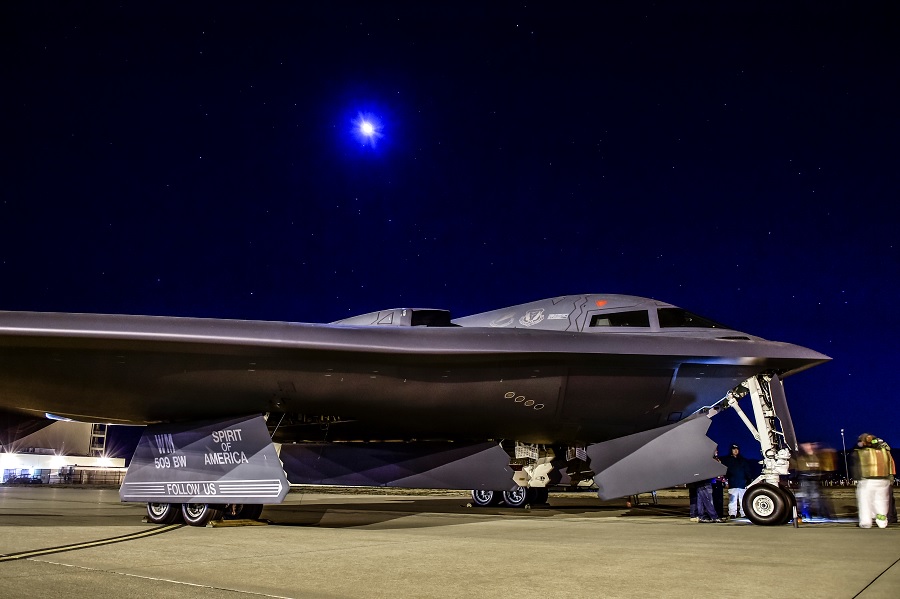
The B-2 Spirit is considered one of the most advanced strategic stealth bombers in service. The aircraft was designed to penetrate sophisticated air defense systems that would typically prevent other aircraft from reaching heavily protected targets.
References to “areas surrounding Tehran” are widely understood to refer to underground military facilities located in the Alborz Mountains. These sites, often described as “Mountain Bases” or “Missile Cities,” are believed to store some of Iran’s long-range ballistic missiles.
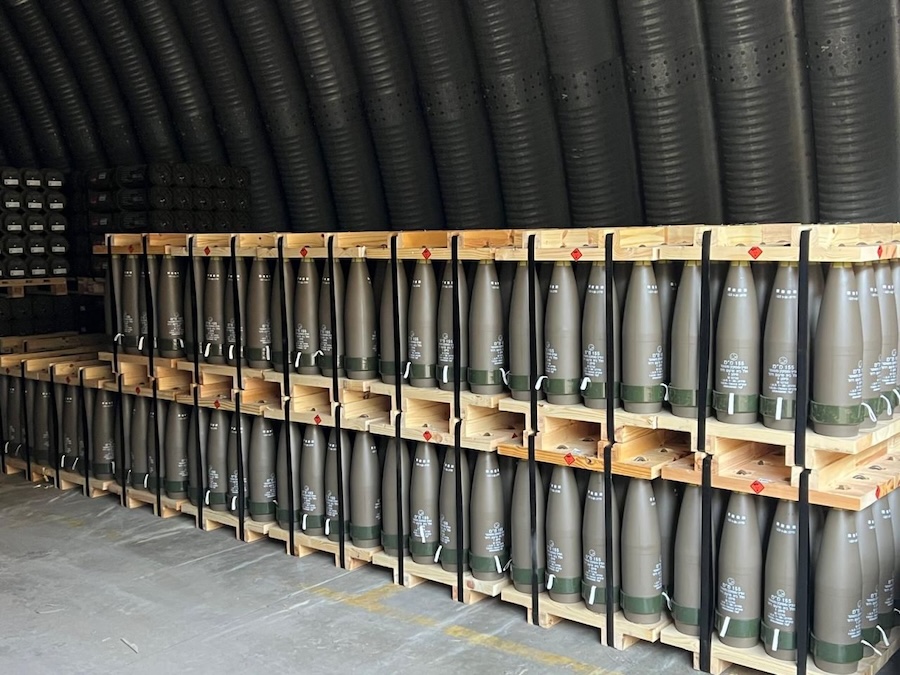
Cooper also said that U.S. forces used heavy munitions during the operation. According to the CENTCOM commander, the U.S. military employed 2,000-pound bombs against ballistic missiles stored deep underground.
Some media outlets reported on March 5 that the United States was likely preparing to deploy B-2 bombers against underground missile facilities operated by Iran’s Islamic Revolutionary Guard Corps. The goal of such strikes would be to disrupt the country’s ballistic missile capabilities.
The B-2 bombers used in the operation were launched from Whiteman Air Force Base in Missouri, the only operational home of the aircraft. The base, located about 70 miles southeast of Kansas City, serves as the central hub for U.S. stealth bomber missions.
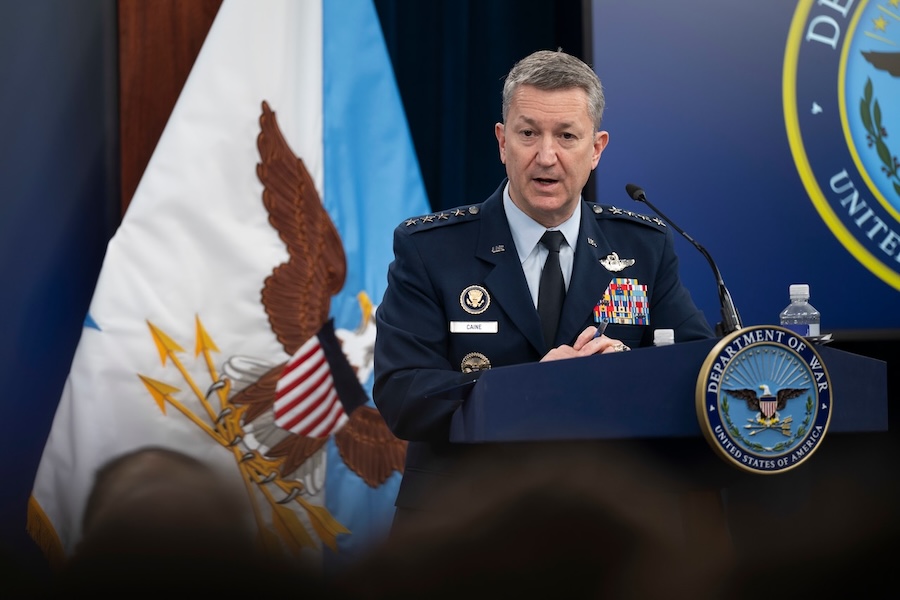
Air Force Gen. Dan Caine said the aircraft flew a 37-hour round-trip mission from the continental United States to reach their targets. The long-range operation demonstrated the bomber’s ability to strike heavily defended targets far from American territory.
The B-2 Spirit combines low-observable technology with high aerodynamic efficiency and a large payload capacity. Its stealth characteristics reduce infrared, acoustic, electromagnetic, visual, and radar signatures, making the aircraft difficult for advanced air defense systems to detect and track.
The aircraft’s stealth capability is derived from a combination of composite materials, specialized coatings, and its distinctive flying-wing design. These features allow it to penetrate defended airspace and threaten heavily protected targets.
Whiteman Air Force Base is also expected to host the next-generation B-21 Raider bomber in the future. Congress recently approved $1.92 billion in funding for the new aircraft as part of a broader effort to modernize the U.S. bomber fleet.
“The B-21 is foundational to our long-range strike capability,” said Air Force Secretary Troy Meink in a February announcement regarding increased production capacity for the new bomber. The B-21 is expected to gradually replace aging bombers, including the B-2, over time.
The first operational B-21 Raider is expected to enter service in 2027. The transition is part of a long-term modernization effort aimed at maintaining U.S. long-range strike capabilities.