

This proposed budget represents a 13.4% increase from FY2025 and includes $848.3 billion in discretionary spending alongside $113.3 billion in mandatory funding under congressional reconciliation. “This historic defense budget prioritizes strengthening homeland security, deterring Chinese aggression in the Indo-Pacific [region], revitalizing the defense industrial base and maintaining our commitment to being good stewards of taxpayer dollars,” a senior defence official stated during the briefing.
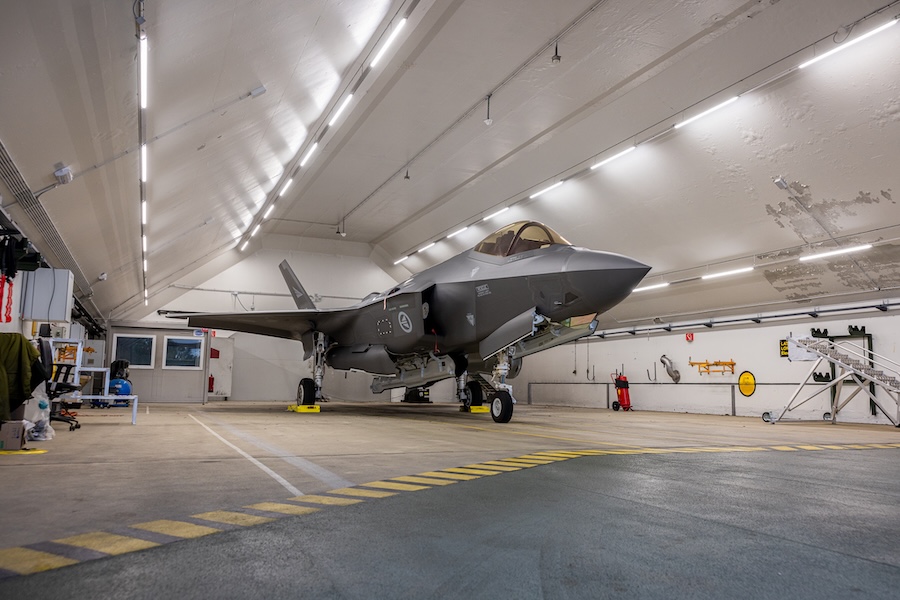
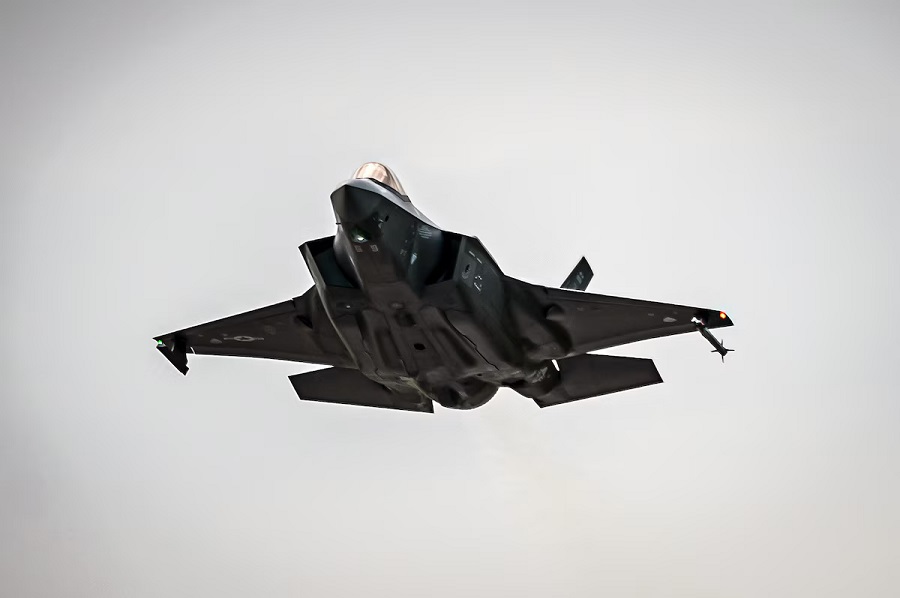
Despite the reduced number of aircraft to be acquired, the F-35 programme remains a central pillar of the U.S. Air Force’s modernisation strategy. Increased investment is being channelled into upgrading the aircraft’s capabilities, as well as a dedicated $1 billion to improve sustainment and readiness, which have posed ongoing challenges for the programme. The official confirmed that resources would go towards addressing key logistical issues and ensuring operational availability of the aircraft fleet.
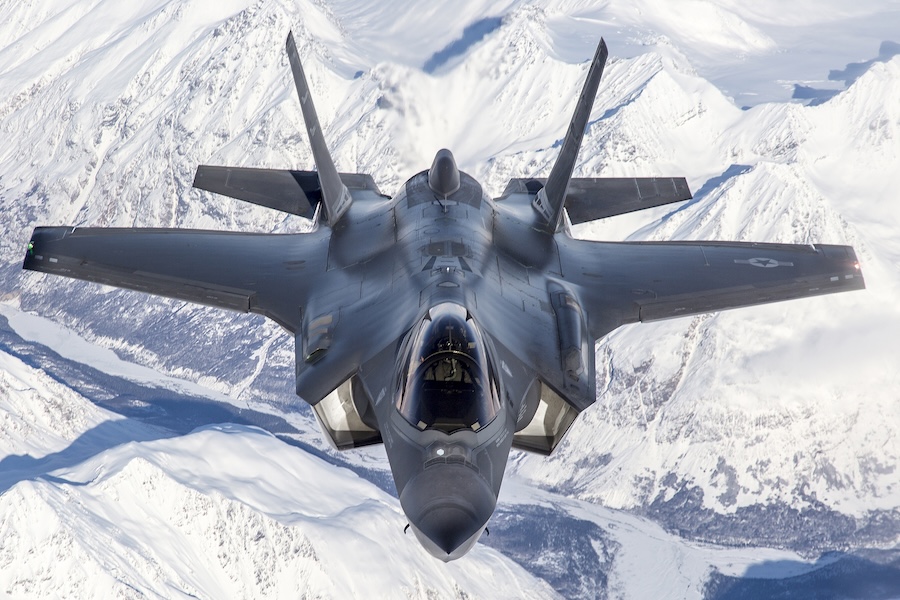
The F-35A, the U.S. Air Force’s conventional takeoff and landing (CTOL) variant, is designed to replace the F-16 Fighting Falcon and A-10 Thunderbolt II after more than two decades of service. It features advanced avionics, next-generation stealth, and sensor fusion technology, enabling it to survive and dominate in contested environments. These systems include the Electro-Optical Distributed Aperture System (DAS) for 360-degree awareness and the Electro-Optical Targeting System (EOTS) for precision targeting. The platform is also equipped with the most advanced helmet-mounted display system in the world, ensuring pilots have all mission-critical data directly in view.
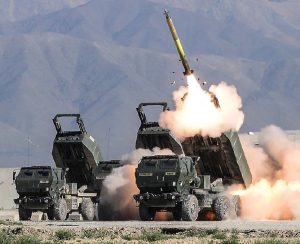
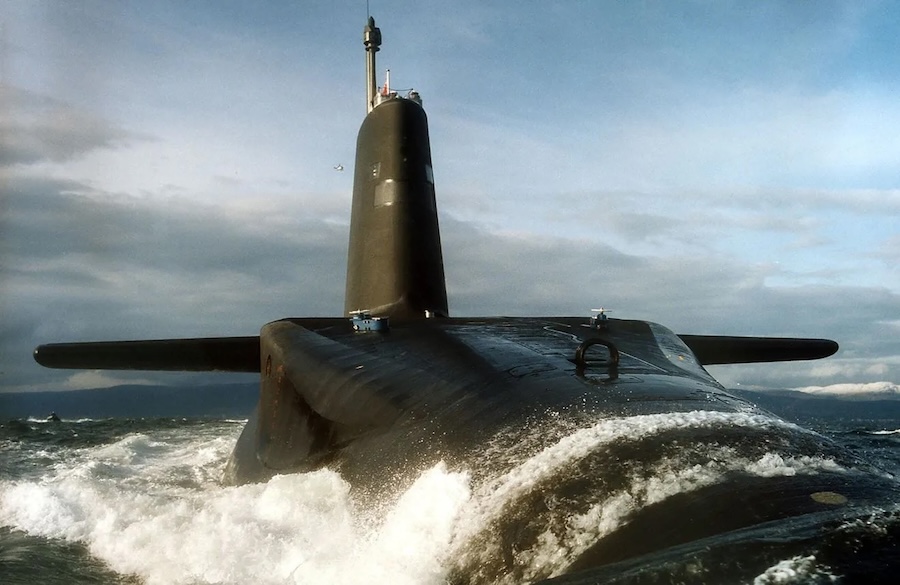
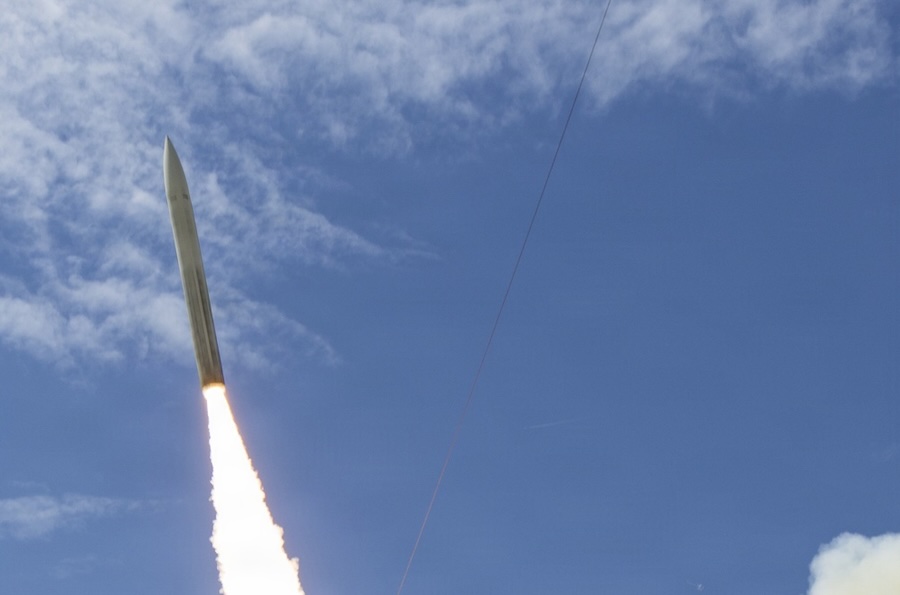
The proposed FY2026 budget is part of a broader effort to enhance national security through both modernisation and strategic investment. Key allocations include $25 billion for an initial investment in the “Golden Dome for America,” a comprehensive missile defence initiative, and $60 billion for modernising the nuclear enterprise, including all three legs of the nuclear triad. An additional $6.5 billion is planned for the production of conventional and non-hypersonic munitions, and $3.9 billion for hypersonic weapons development.
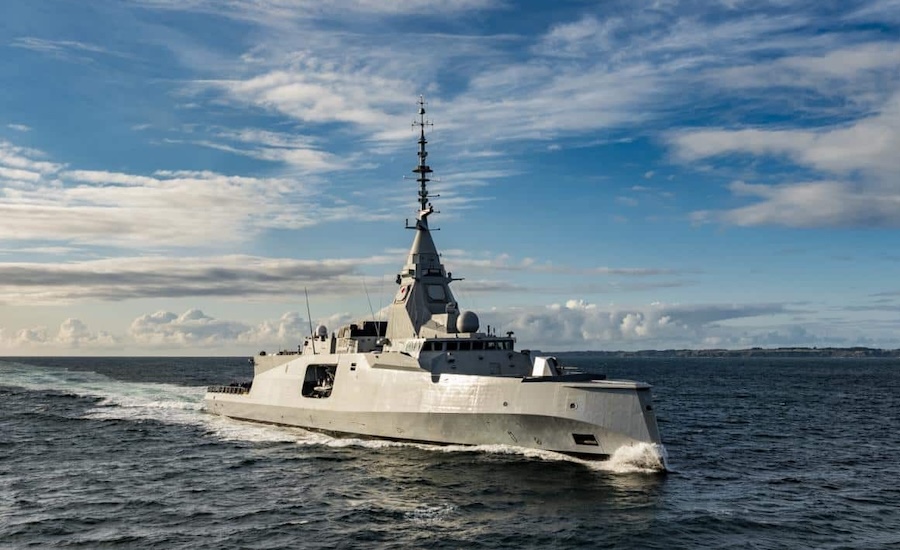
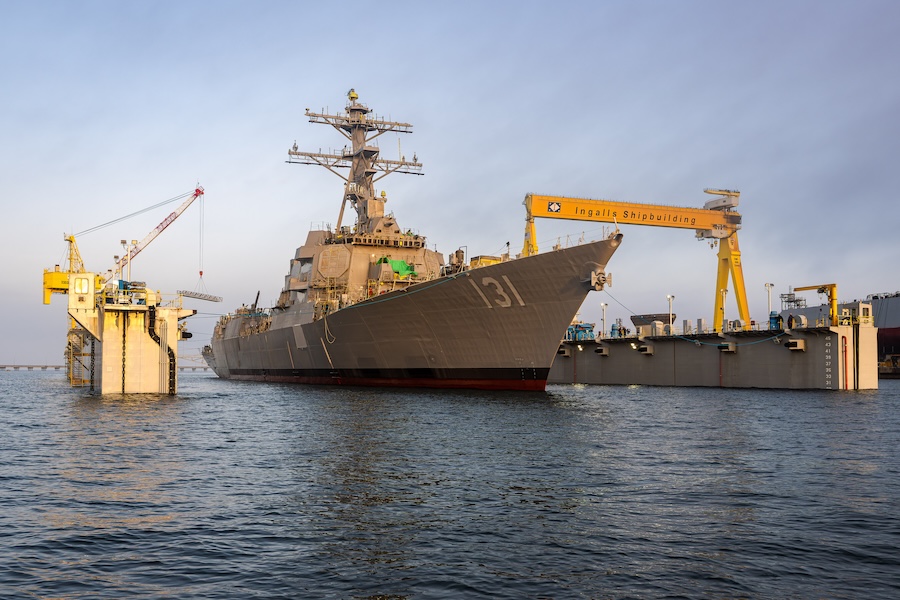
Further notable investments include $3.1 billion for continued F-15EX Eagle II fighter jet production and $3.5 billion for the Air Force’s future F-47 Next Generation Air Dominance platform. The Navy will receive funding for 19 new battle force ships, maintaining a fleet of 287 vessels across critical platforms. The budget also allocates $15.1 billion for cybersecurity initiatives to support joint, all-domain operations and to defend U.S. interests in cyberspace.
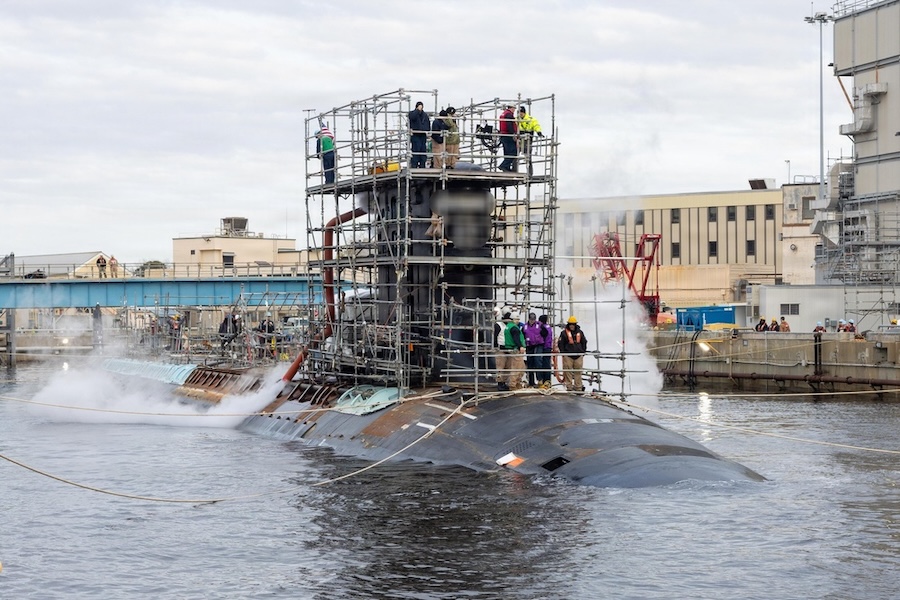
Other allocations include $2.5 billion for missile and munitions production expansion, $1.3 billion for industrial base supply chain improvements, and $1.2 billion for the Office of Strategic Capital’s loan programme to encourage private investment in national security projects. An additional $2.5 million is designated to improve productivity at nuclear shipyards.
The F-35 programme, developed in partnership with eight allied nations including the United Kingdom, Italy, and Australia, is central to U.S. and allied military interoperability and strategic readiness. Its open architecture, tactical data links, and advanced logistics systems, such as the Autonomic Logistics Information System (ALIS), continue to support long-term mission planning and operational efficiency.
While the reduction in FY2026 aircraft procurement marks a shift in acquisition pace, defence officials have emphasised their continued commitment to the F-35 programme and its role in securing U.S. and allied air superiority. “We are investing in what matters most to ensure warfighter readiness while keeping fiscal responsibility at the core of our planning,” the senior defence official concluded.