
The Pentagon’s FutureG Office oversees the work under RAPID, a project to demonstrate integrated sensing and communications. Nokia Federal will demonstrate the complete system on Nokia’s AI-RAN platform.
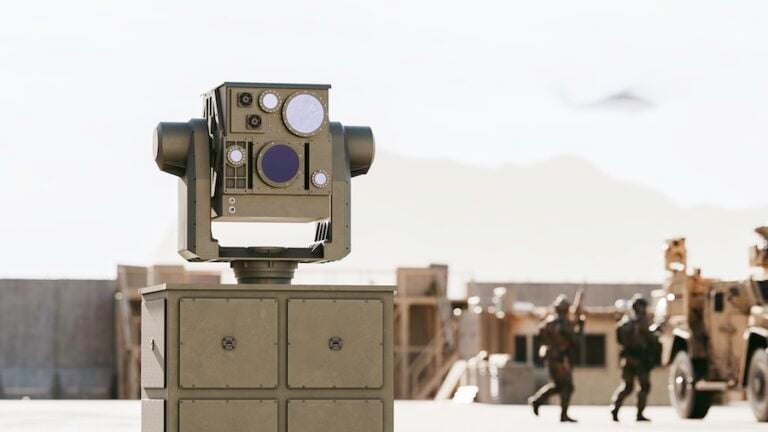
The prototype will combine readings from several types of sensors and run software from Nokia and other developers to help spot drones and threats in the radio spectrum. Nokia affiliates, Texas Tech University, DeepSig, Hidden Level and Future Technologies will work on the project as subcontractors.
“The unmanned system threat is real,” said Steve Vogelsang, chief technology officer of Nokia Federal Solutions. “Integrated sensing and communications provides the opportunity to help protect critical infrastructure by leveraging the existing cellular networks to identify the threat.”
The project is part of the FutureG Office’s work to adapt commercial wireless technology for military use. “Through RAPID and related initiatives, we are cultivating an open ecosystem that enables us to leverage commercial cellular infrastructure to bolster force protection and defense of critical assets against evolving UAV threats,” said Marlan Macklin, deputy principal director for FutureG in the Office of the Under Secretary of War for Research and Engineering.