


Amendments proposed by Democrats—such as freezing 75% of the funds until Defence Secretary Pete Hegseth could justify each expenditure—were rejected before the bill’s approval. Some proposals were considered non-substantive, including attempts to replace Hegseth or reduce his salary to one dollar.
Supporters argue that the increased funding will significantly enhance the combat capabilities of the U.S. Armed Forces, strengthen national security, and uphold the country’s global leadership. Critics warn the funding may come at the expense of other important areas and question whether the money will be spent efficiently.
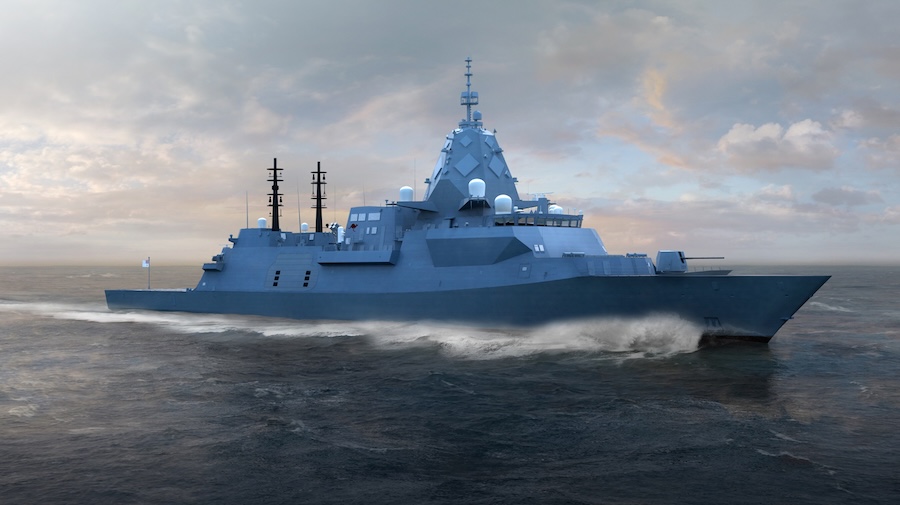
The largest portion of the increase—$33.7 billion—will go to the U.S. Navy, mainly for new shipbuilding projects and to bolster the struggling domestic shipbuilding industry. Allocations include $4.6 billion for a new Virginia-class submarine, $5.4 billion for two Arleigh Burke-class destroyers, and billions more for amphibious ships and unmanned surface vessels.
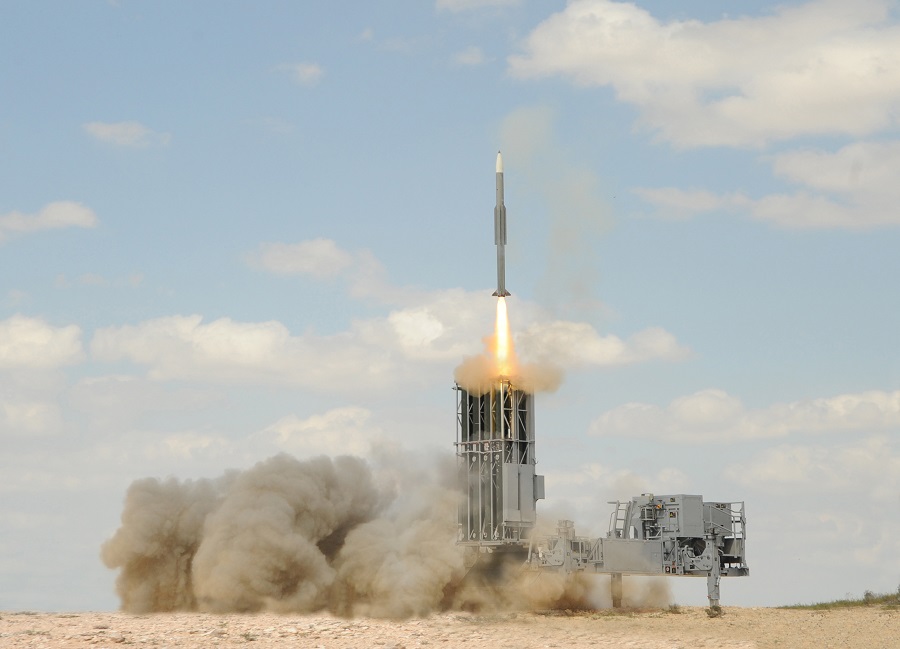
A major beneficiary is the Golden Dome missile defence initiative, announced by President Donald Trump, which will receive $24.7 billion from the additional budget. This “system of systems” aims to intercept ballistic missiles in space and counter hypersonic threats.
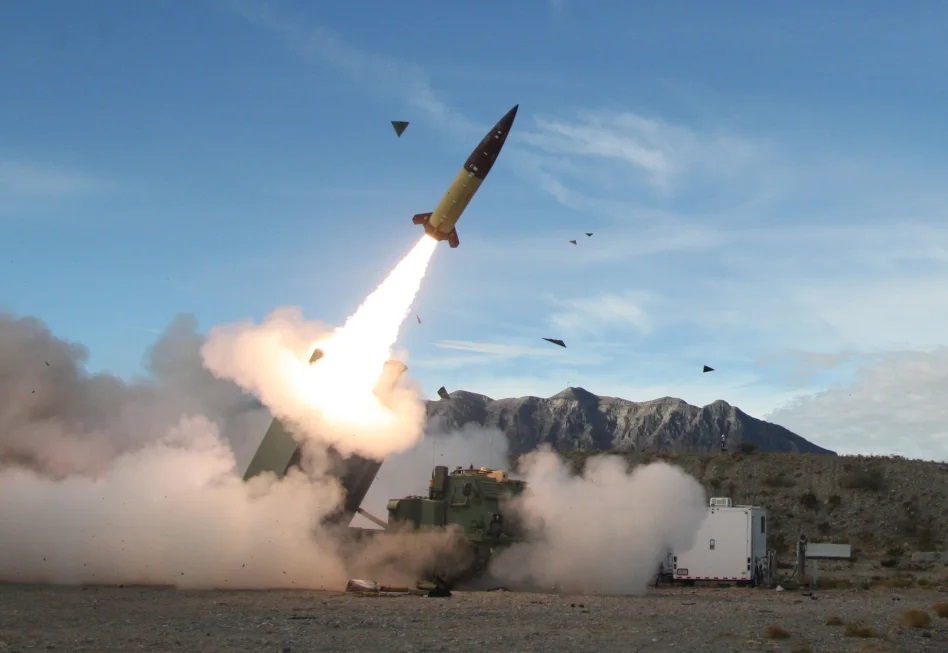
The third largest share, $20.4 billion, is earmarked for the munitions industry to expand production capacity and increase ammunition stockpiles. A further $13.5 billion will support the development of low-cost, advanced weapon systems using commercial technologies such as FPV drones.
An additional $12.9 billion will fund nuclear deterrence initiatives, including accelerated work on the B-21 Raider bomber, the LGM-35A Sentinel ICBM, and a sea-launched nuclear cruise missile. The U.S. Air Force will receive $7.2 billion, with $3.1 billion designated for purchasing more F-15EX multirole fighter jets.
Funding will also support the next-generation Boeing F-47 fighter programme and other priorities such as spare parts, training services, and logistics. The full budget now awaits further legislative review and approval before implementation.