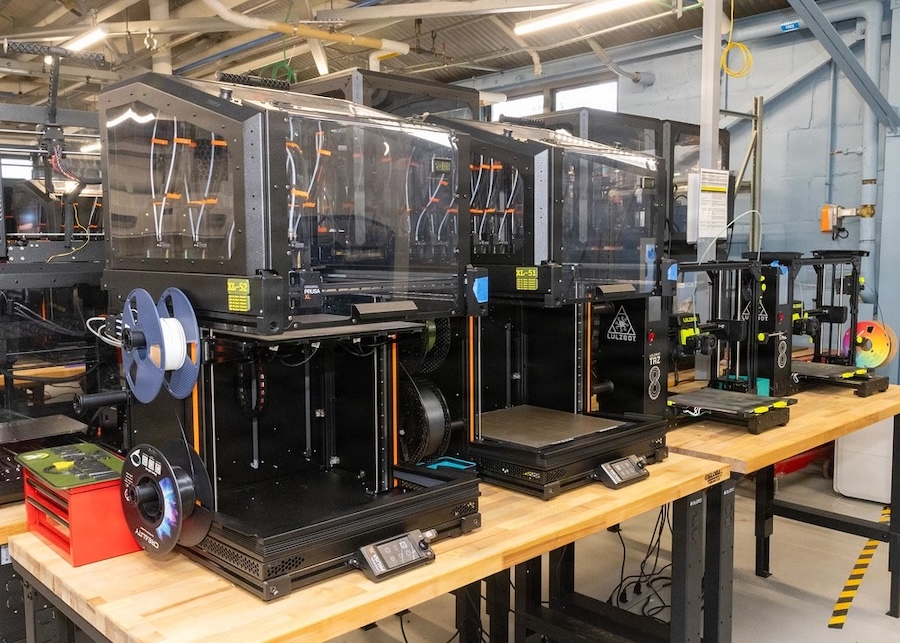


Through coordinated work across Naval Sea Systems Command, the Maritime Industrial Base, and private industry, additive manufacturing moved from testing into direct supply chain integration. This shift improved fleet readiness and enhanced logistics resilience across naval operations.
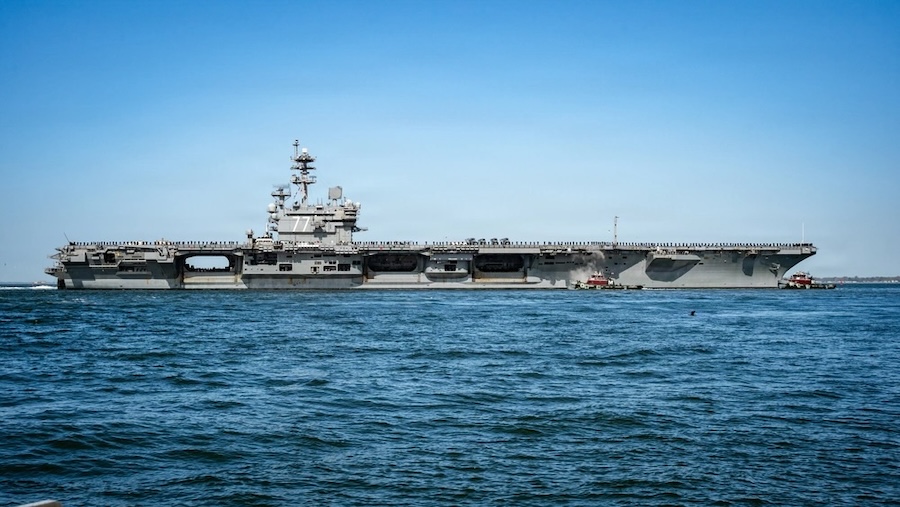
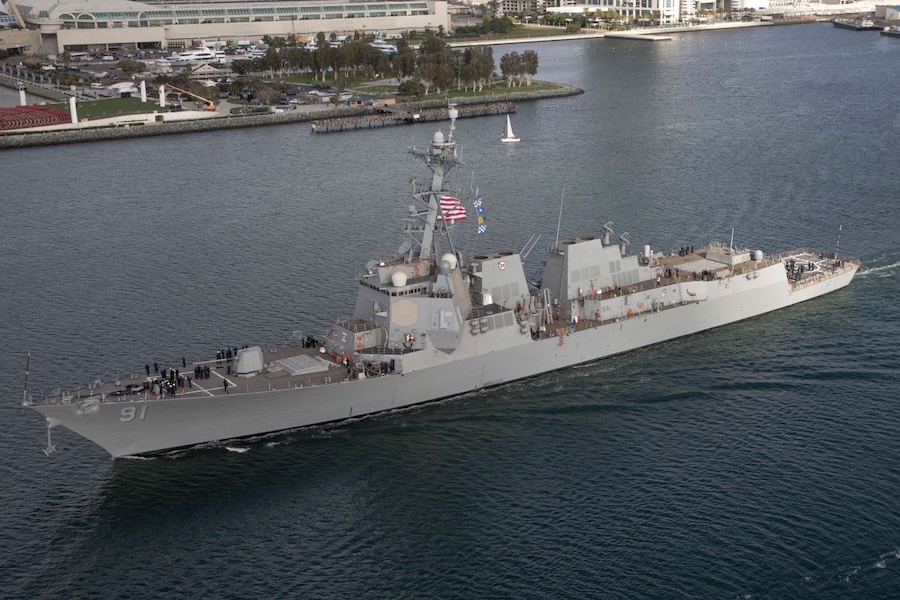
Significant milestones were achieved on complex combat platforms during the year. Huntington Ingalls Industries installed the first 1.5-meter-long, 450-kilogram metal valve manifold produced by additive manufacturing aboard a nuclear-powered aircraft carrier, marking a major step for surface combatants.
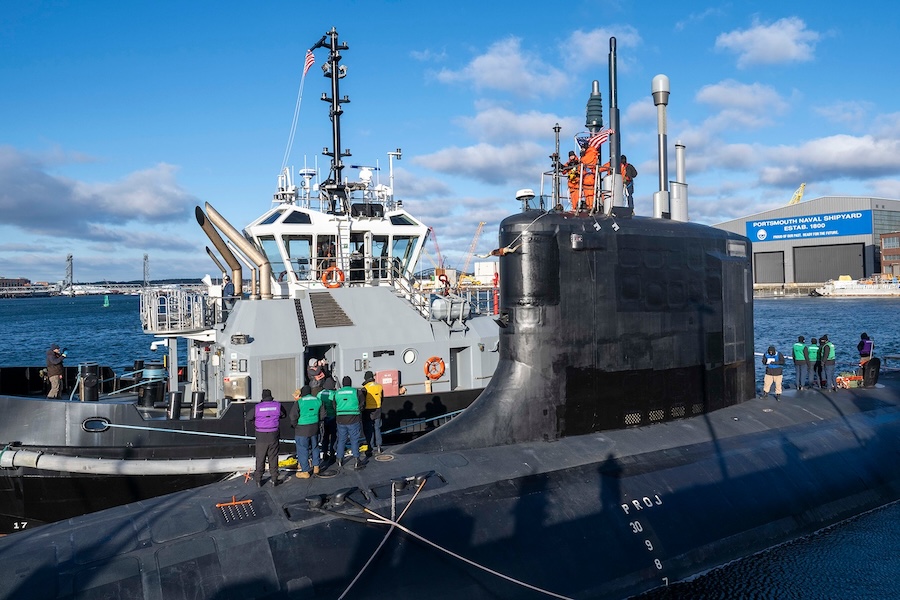
The submarine force also reached a historic benchmark with the Virginia-class program. A metal 3D-printed component was installed and described by industry partners as a “giant leap,” demonstrating that such parts can meet demanding deep-sea operational standards.
International cooperation remained central to the Navy’s approach, particularly through the AUKUS framework. In 2025, the United States, the United Kingdom, and Australia completed a successful shipboard installation of a metal 3D-printed part, supporting interoperability and interchangeable repair capabilities.
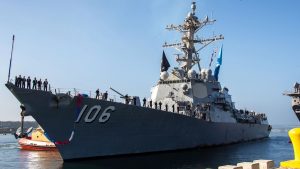
Additive manufacturing also delivered measurable readiness and efficiency gains. An industry partner, Marotta, reduced a traditional 29-week lead time by 70 percent for a critical destroyer valve using metal 3D printing, avoiding conventional manufacturing bottlenecks.
At the waterfront, Navy maintenance centers applied additive manufacturing to ship repairs with notable cost savings. A single polymer component produced by the Southeast Regional Maintenance Center resulted in more than $300,000 in cost avoidance and faster ship returns to service.
Joint-service collaboration was also strengthened through additive manufacturing. The Navy partnered with the United States Coast Guard to restore critical equipment on a Coast Guard vessel using a polymer 3D printer installed on an active submarine.
NAVSEA engineering supported these efforts by enabling low-risk additive manufacturing applications for deployed maintainers. The Forward Deployed Regional Maintenance Center Rota reduced repair times by 80 percent by fabricating required parts on site.
Collaboration with academia and industry further streamlined material qualification processes. NAVSEA reduced testing requirements by more than 60 percent and released three additive material specifications to support broader fleet use.
Looking ahead, NAVSEA and its partners will continue expanding additive manufacturing with additional parts and specifications. Companies such as Hunt Valve are developing and certifying new components to grow the fleet’s available catalogue.
The progress achieved in 2025 reflects a wider shift across the naval enterprise. Additive manufacturing is now fully integrated into planning, maintenance, and sustainment as the Navy modernizes its industrial base.
Source: NAVSEA.