

The demonstration highlighted how advanced simulation tools can accelerate the development of tactics for combined crewed and uncrewed operations. It focused on improving coordination between fifth-generation aircraft and autonomous systems in complex scenarios.
Rear Adm. Todd Evans, commander of NAWCAD, emphasized the significance of the exercise. “Modern warfare is demanding more from our aviators,” he said.
“This milestone shows the JSE’s impact on equipping them with the advanced tactics they need to win future battles,” Evans added. He noted the growing role of simulation in preparing pilots for evolving threats.
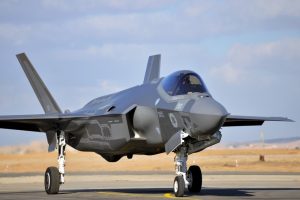
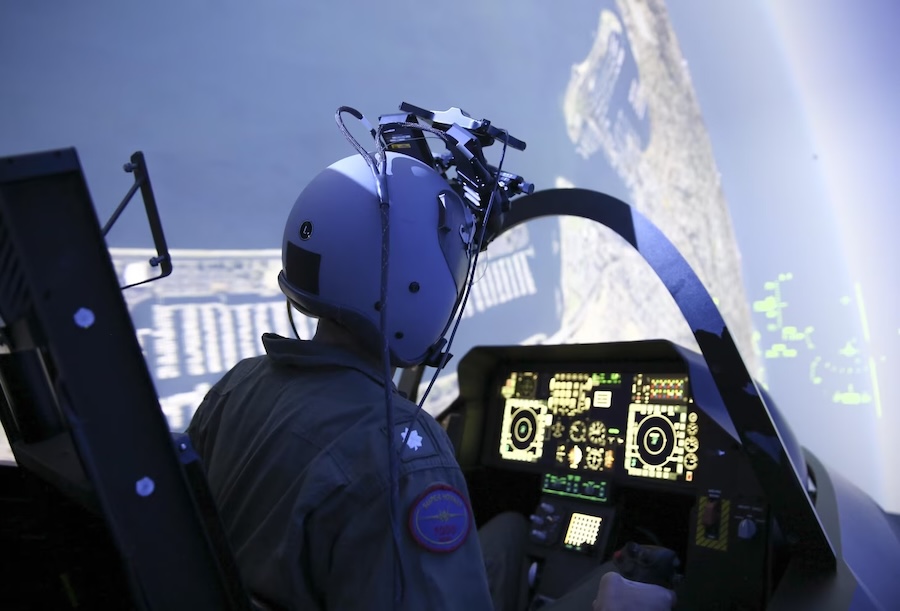
During the event, F-35 pilots controlled multiple uncrewed aircraft using touch-screen tablets. They conducted simulated missions employing advanced communications systems and precision-guided weapons against complex threats.
The Joint Simulation Environment provides a highly realistic virtual battlespace for testing and training. It combines cockpit simulators, advanced software and immersive visual systems to replicate real-world combat conditions.
Officials said the system allows pilots to conduct more training missions than would be possible on conventional ranges. This capability is intended to enhance readiness and refine operational skills more efficiently.
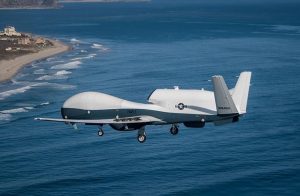
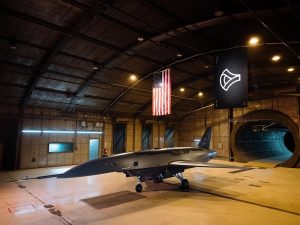
The Navy’s Collaborative Combat Aircraft are designed to operate alongside crewed platforms in contested environments. These systems are expected to extend operational reach while enabling pilots to focus on higher-level decision-making.
The simulation environment is central to developing tactics and operational concepts for integrating these systems. It supports the broader effort to advance next-generation air combat capabilities.
NAWCAD plans to expand the Joint Simulation Environment to include additional platforms. These include the E-2D Advanced Hawkeye, F/A-18E/F Super Hornet and EA-18G Growler.
The organization hosts numerous squadrons and pilots each year for advanced training. Additional simulation facilities are under development at several U.S. military bases to further support joint and allied training initiatives.