

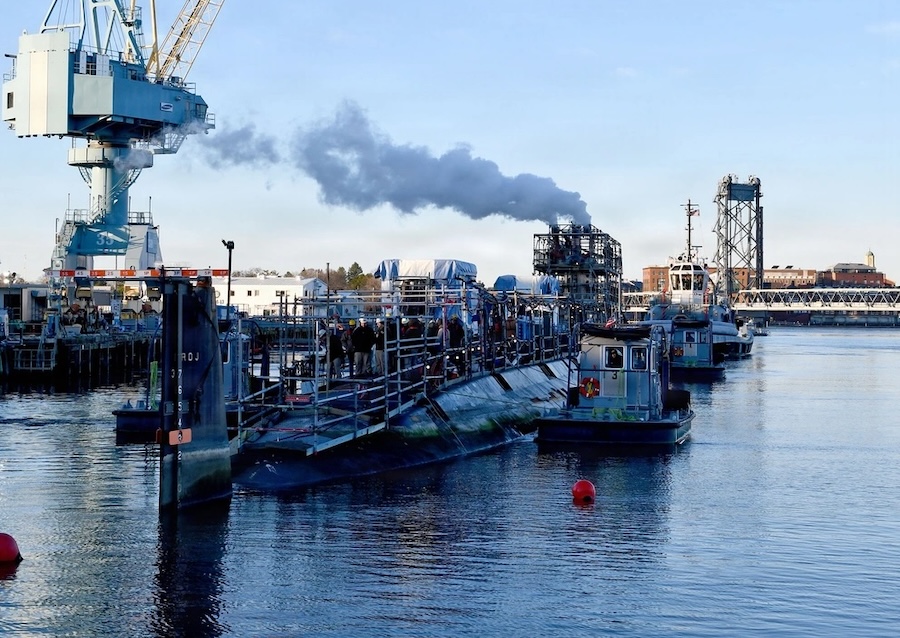
The flange, produced using additive manufacturing techniques from copper-nickel material, is the first of its kind to be welded at a U.S. public shipyard. The effort reflects a broader push to integrate advanced manufacturing solutions into operational naval platforms.
The initiative followed a directive to accelerate adoption of additive manufacturing across the submarine force, issued by Vice Adm. Robert Gaucher during his tenure as commander of Submarine Forces. Engineers at Portsmouth Naval Shipyard identified the component as suitable for rapid implementation to meet an operational requirement aboard the USS Washington.
The shipyard worked with the maritime industrial base’s centre of excellence to procure the 3D-printed part, which was then subjected to extensive inspection and testing. A specialised team also completed full weld qualification procedures to ensure the material met strict naval standards.
“The unique nature of this momentous achievement is a testament to the strong teaming and innovation that PNSY is known for,” said Capt. Jesse Nice, shipyard commander. “For the first time, we forged a submarine component that met the fleet’s most rigorous technical specifications. This was the result of one team, with a single mission —getting the job done correctly and safely.”
Officials said the successful integration of the component supports efforts to improve fleet readiness through faster and more flexible production methods. The milestone aligns with the Navy’s broader focus on strengthening its industrial base and advancing deckplate-level innovation.
“Portsmouth Naval Shipyard is leading the organic industrial base in the production and installation of additively manufactured submarine components,” said Capt. Jason Deichler, commodore Submarine Squadron TWO. “This is truly a war fighting enabler and a key component to enhanced undersea readiness.”
The achievement underscores the role of advanced manufacturing in maintaining and modernising the U.S. Navy’s submarine fleet. Portsmouth Naval Shipyard said such innovations contribute directly to operational readiness and support the delivery of combat-capable submarines in an evolving threat environment.