

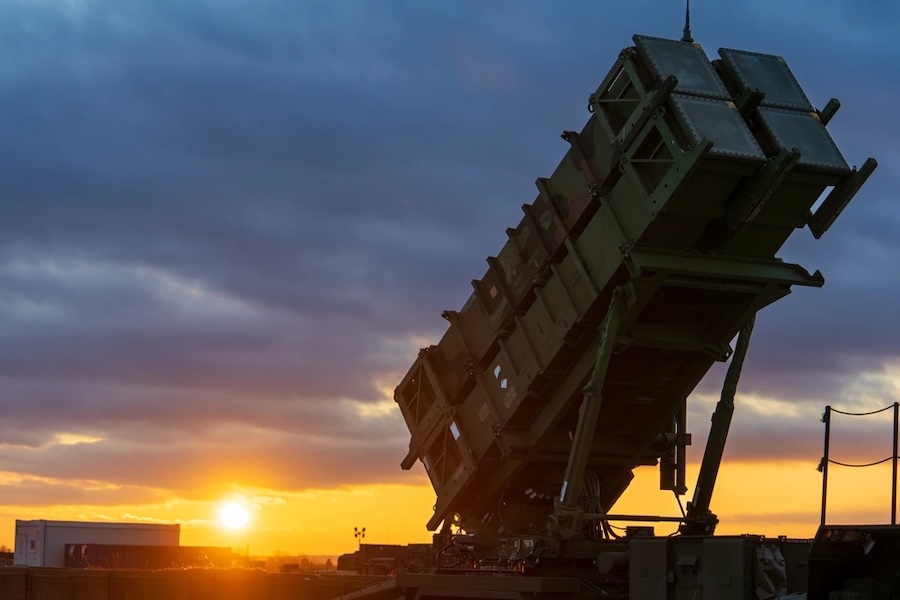
According to Swiss public broadcaster SRF, the redirection has allowed funding for the Patriot system to continue largely unaffected. The arrangement is possible under the U.S. Foreign Military Sales programme, which pools payments from foreign customers into a single fund.
Urs Loher, head of national armaments at armasuisse, confirmed the transfer of funds but said he could no longer disclose the exact amount. He described it only as “a low three-digit million amount,” indicating a sum exceeding CHF100 million.
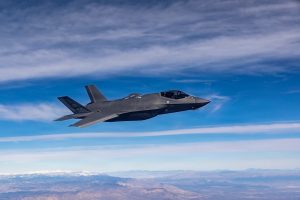
Under the FMS framework, U.S. authorities can allocate funds between different procurement programmes. This mechanism has enabled the transfer of money from Switzerland’s F-35 programme to cover Patriot system costs.
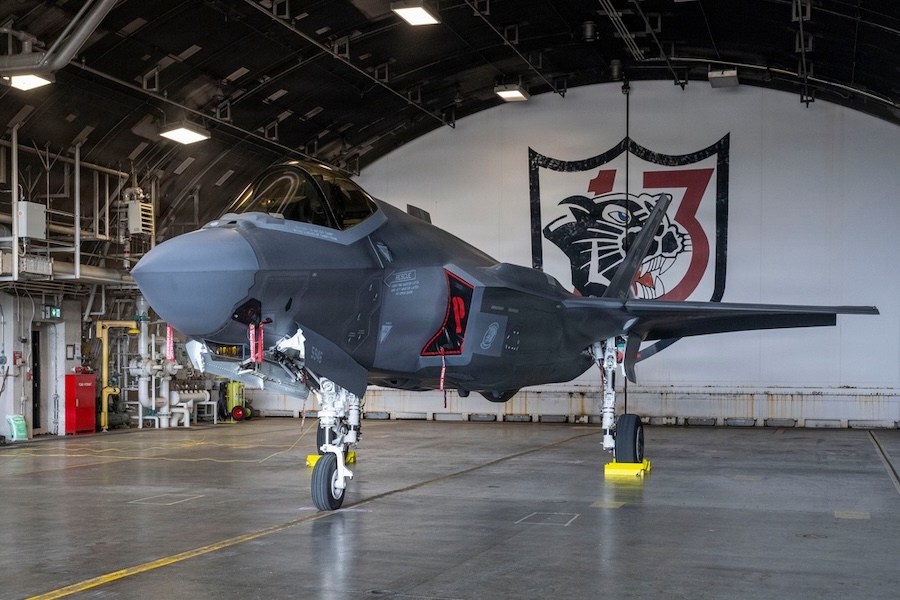
“This is very unsatisfactory,” Loher said. The redirection has created budget shortfalls for Switzerland’s F-35 programme and increased financial pressure on the defence ministry.
By the end of 2025, the ministry had to make early payments of several tens of millions of Swiss francs to address the gap. These advance payments have added to existing financial constraints related to other approved defence procurements.
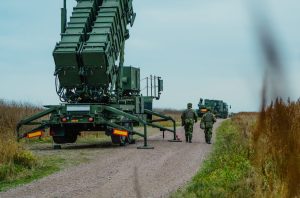
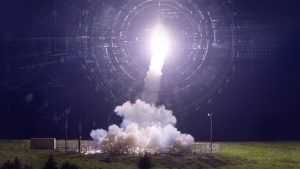
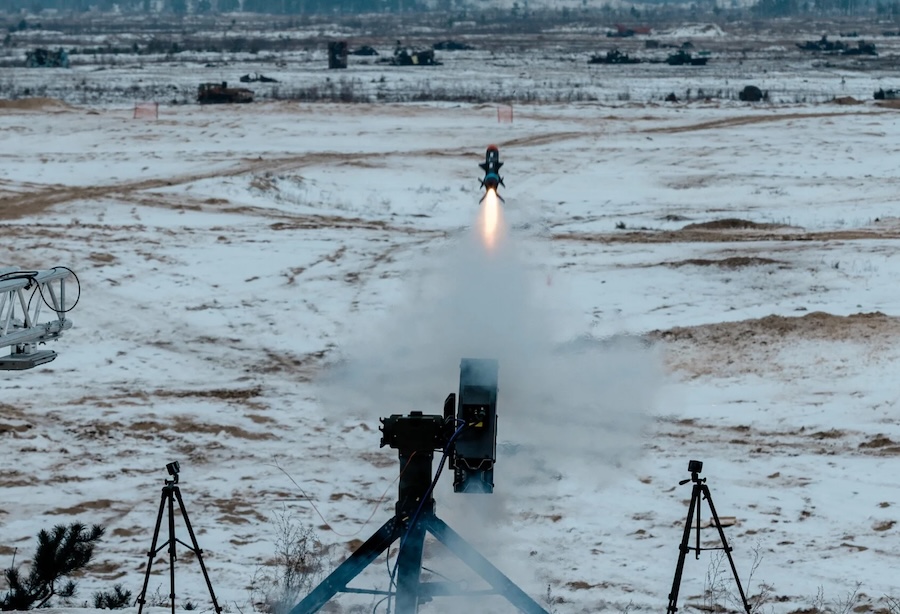
Switzerland signed contracts for five Patriot air defence batteries four years ago, with initial deliveries expected this year. However, the United States informed Swiss authorities in 2025 that deliveries would be delayed, prioritising supply to Ukraine.
Subsequent developments have extended the expected delay to at least four to five years, with further uncertainty linked to rising global demand following the outbreak of war in Iran. Swiss officials have also been informed that the cost of the system could increase by up to 50%, raising the total price to approximately CHF3 billion.
Despite the payment freeze, U.S. authorities are expected to continue reallocating Swiss funds to the Patriot programme. Loher said the freeze nevertheless served as a political signal that prompted greater transparency from the United States regarding delays.
Swiss lawmakers have criticised the situation and questioned the effectiveness of the payment freeze. Werner Salzmann said, “It’s frustrating when we impose a payment freeze and the money is simply redirected.”
Josef Dittli said the defence ministry may not have fully understood the implications of the FMS framework. Meanwhile, Priska Seiler Graf reiterated calls to cancel the Patriot purchase.
Salzmann added that confidence in U.S. defence agreements had been affected. “The FMS contracts are producing more and more interpretation problems. We need to think carefully about whether we want to keep signing such agreements,” he said.
Talks between Switzerland and the United States are ongoing, with efforts to secure a delay in Patriot-related payments. Loher said the outcome remains uncertain, acknowledging that “the power relations are quite clear”.
Analysts noted that Switzerland faces limited alternatives to U.S. defence systems despite efforts to diversify procurement. The government has set a goal of sourcing most future armaments domestically or from Europe, though industrial capacity constraints may limit those options.
Source: swissinfo.ch