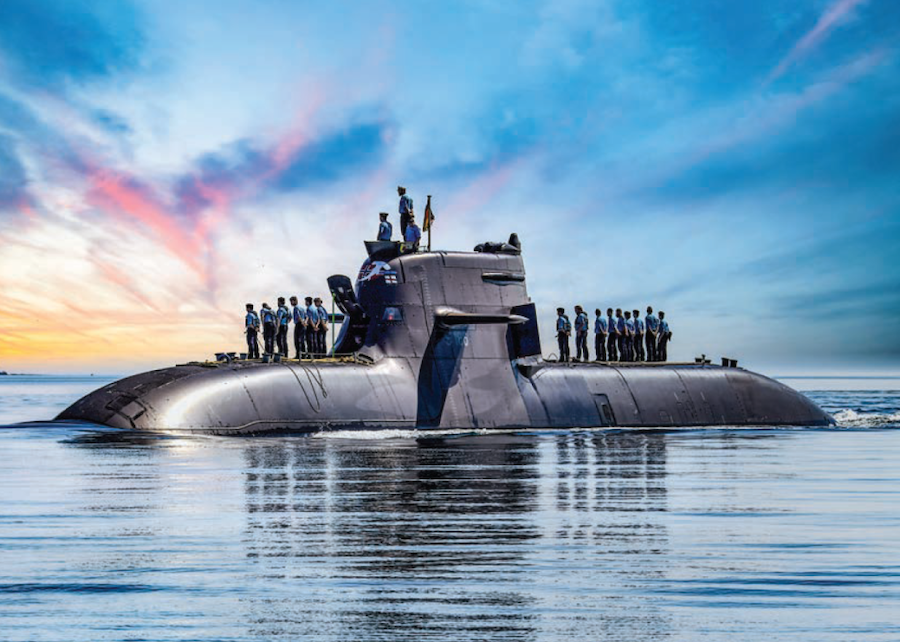
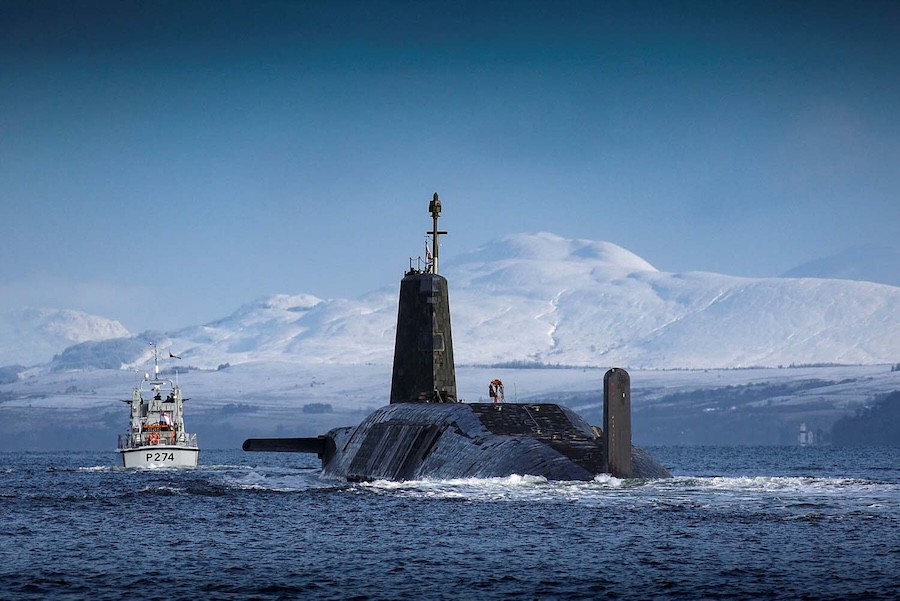
British aircraft and warships identified a Russian attack submarine operating in international waters in the High North. The submarine was monitored continuously as part of a coordinated effort with allied forces.
Our resolve to track, expose and confront the Russian threat remains absolute. pic.twitter.com/LMCMUmur9c
— Ministry of Defence 🇬🇧 (@DefenceHQ) April 9, 2026
Military personnel determined that the submarine was acting as a diversion. At the same time, other Russian units linked to the Main Directorate of Deep Sea Research were conducting activity near critical underwater infrastructure.
The UK worked closely with allies, including Norway, to track these vessels. The operation involved both overt and covert monitoring to ensure the Russian units were aware they had been detected.
Following the exposure, both the submarine and associated vessels retreated without completing their mission. Officials said the operation demonstrated the UK’s ability to counter threats to maritime security.
Prime Minister Keir Starmer emphasised the government’s response. “I am determined to protect the British people from paying the price for Putin’s aggression in their household bills.”
“That is why we will not shy away from taking action and exposing Russia’s destabilising activity that seeks to test our resolve,” he added. “Our Armed Forces are among the best in the world, and the British public should be in no doubt that this government will do whatever it takes to defend our national and economic security, wherever in the world that is needed.”
Defence Secretary John Healey praised the personnel involved in the operation. “I want to pay tribute to the UK personnel who spent many days tracking these Russian submarines in extremely challenging and treacherous conditions.”
“While the eyes of many – understandably – were on the Middle East, our British Armed Forces were simultaneously responding to rising Russian threats north of the UK,” he said. “As we act to defend our interests and Allies in the Middle East, we are tackling increasing threats to NATO in the High North, maintaining strong support for Ukraine and protecting our UK homeland.”
Healey also issued a warning to Moscow. “To Putin, I say this: we see you, we see your activity over our underwater infrastructure. You should know that any attempt to damage it will not be tolerated and would have serious consequences.”
This satellite image is of Russian naval base Olenya in the High North, along with their spy ship Yantar and specialist GUGI submarines before they departed port for UK waters.
These vessels are designed to survey underwater critical infrastructure during peacetime, then… pic.twitter.com/q6Sv00BTAV
— Ministry of Defence 🇬🇧 (@DefenceHQ) April 9, 2026
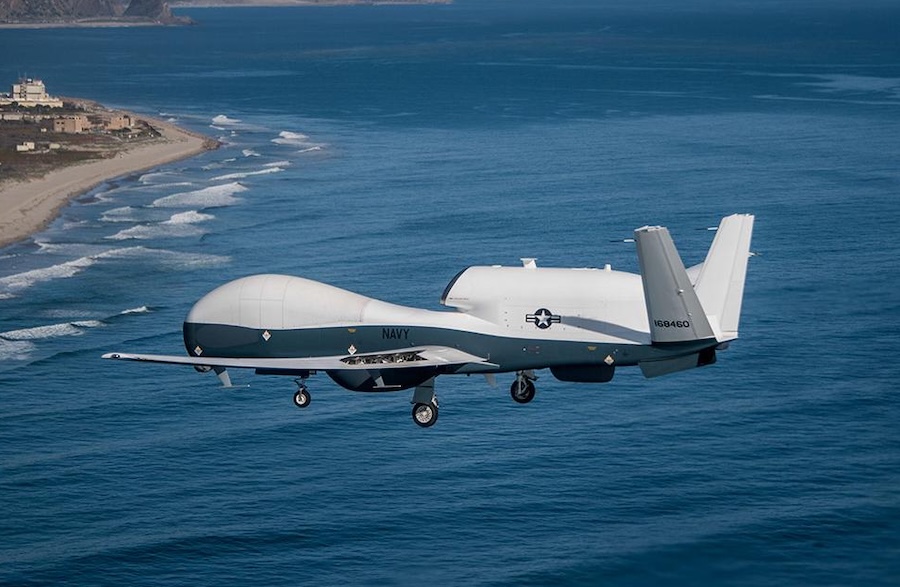
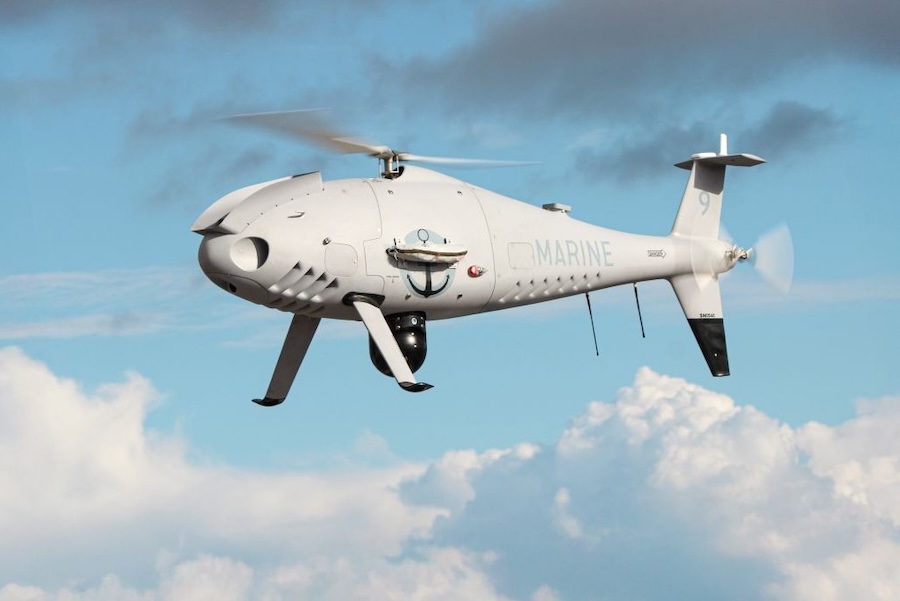
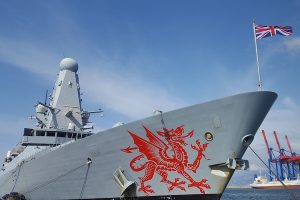
The operation involved Royal Navy vessels including HMS St Albans and RFA Tidespring, supported by helicopters and RAF P8 aircraft. These assets tracked the submarine continuously and deployed sonobuoys to monitor its movements.
The incident highlights the importance of protecting subsea infrastructure. Undersea cables carry more than 99% of global data traffic, making them critical to communications, trade and financial systems.
The UK said it is strengthening its capabilities to counter such threats. Investments include additional funding for submarine-hunting aircraft and programmes to enhance maritime surveillance.
Officials said the UK will continue to monitor activity in coordination with allies. The government reiterated its commitment to safeguarding national security and critical infrastructure against evolving threats.





![CENTCOM chief says U.S. forces remain ready after ‘generational’ defeat of Iran despite fragile ceasefire [VIDEO]](https://defence-industry.eu/wp-content/uploads/2026/04/centcom-chief-says-us-forces-remain-ready-after-generational-defeat-of-iran.jpeg)
![Team Lynx details XM30 infantry fighting vehicle concept as U.S. Army program nears key decision [VIDEO]](https://defence-industry.eu/wp-content/uploads/2026/04/team-lynx-details-xm30-infantry-fighting-vehicle-concept.jpeg)