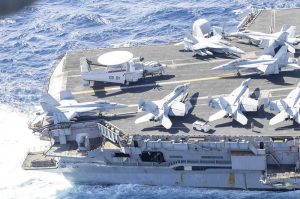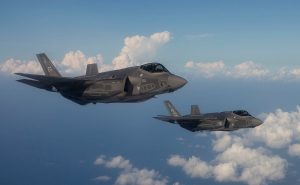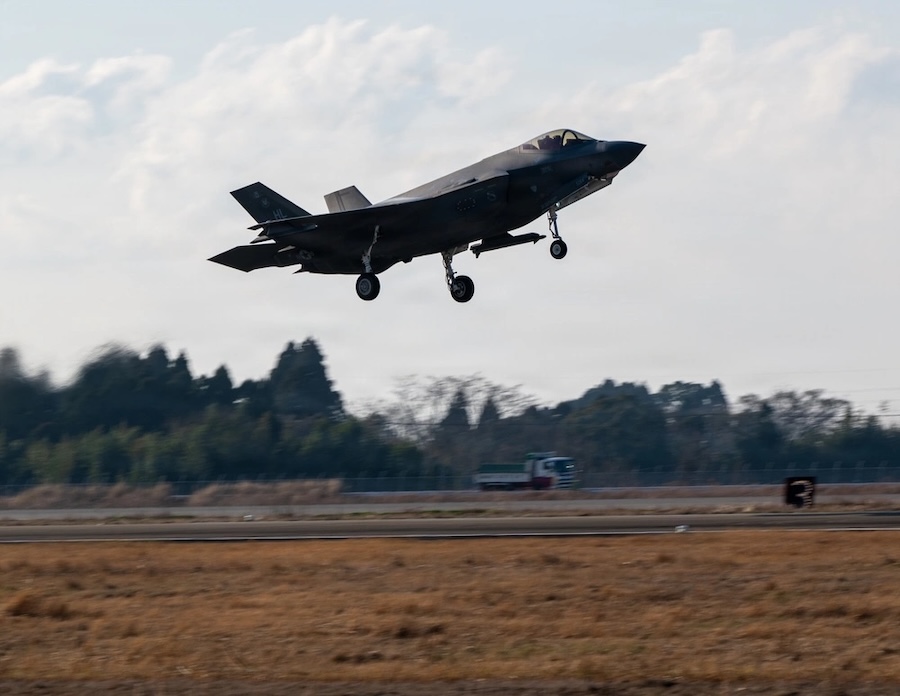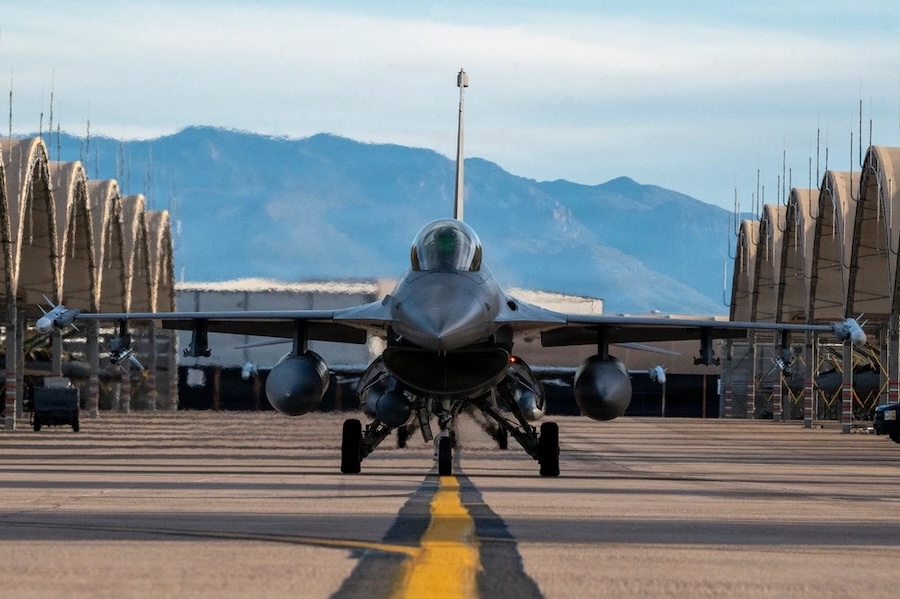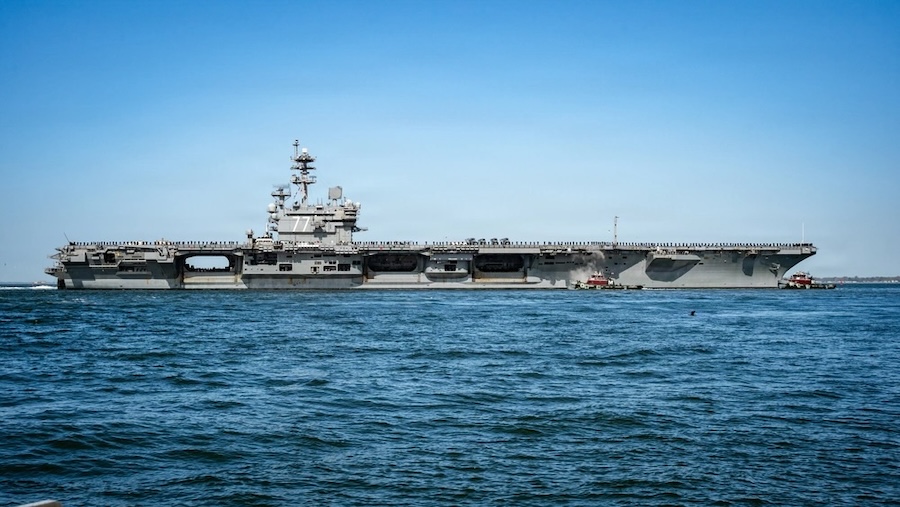


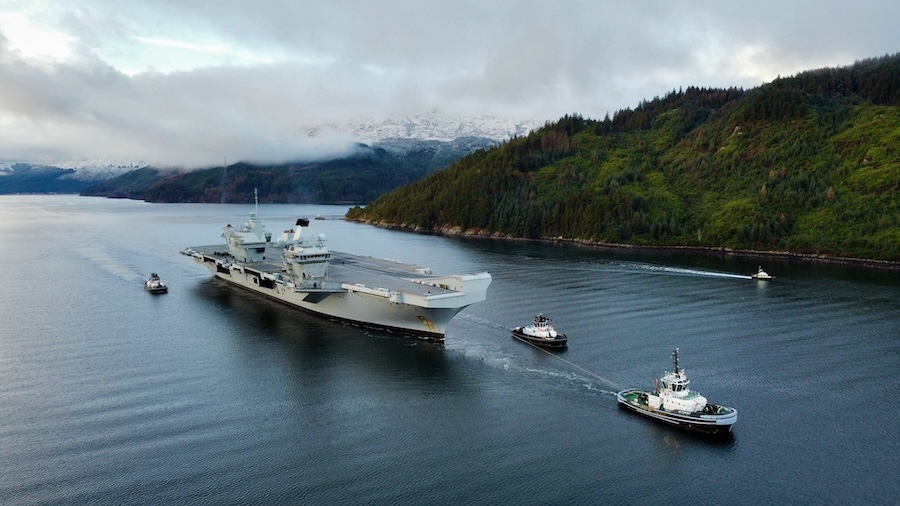
The move follows a reported 30% increase over the past two years in Russian navy vessels threatening UK waters, alongside growing concern over activity in the Greenland-Iceland-UK gap and risks to critical undersea cables and pipelines. The strike group will operate across the North Atlantic and Arctic, including around the North American East Coast, and will visit a US port with American jets expected to operate from HMS Prince of Wales’ flight deck.
The deployment will include major exercises with the United States, Canada and Northern European allies, as well as activity under NATO’s Arctic Sentry mission launched this week to strengthen security in a region where melting sea ice is opening new routes. The Carrier Strike Group will exercise alongside NATO’s Standing Naval Maritime Group 1, led by the UK in 2026 with HMS Dragon serving as the command ship, and parts of the mission will fall under NATO command including cooperation with Joint Force Command Norfolk, which is set to be led by a British officer for the first time.
Defence Secretary John Healey MP said: “I’m proud that we’re stepping up UK leadership on High North and Atlantic security.” He added: “This deployment will help make Britain warfighting ready, boost our contribution to NATO, and strengthen our operations with key allies, keeping the UK secure at home and strong abroad.”
Operation Firecrest will involve thousands of personnel from all three services and build on the UK’s recent Indo-Pacific Carrier Strike Group mission in 2025, which conducted over 1,000 F-35 sorties with more than 30 nations and led to the group being certified fully mission ready and committed to NATO. The deployment also reinforces the Government’s pledge to double UK troop numbers in Norway from 1,000 to 2,000 and follows a commitment to increase defence spending to 2.6% of GDP from 2027, marking the largest sustained rise since the end of the Cold War.
Source: UK Ministry of Defence.