


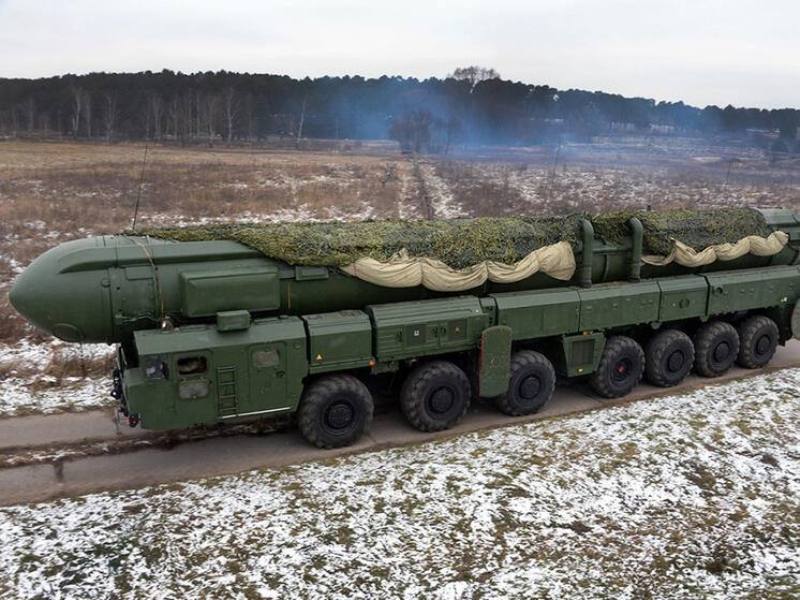
According to Luhovskyi, Russia’s defence ministry plans to begin serial production of the Oreshnik missile in 2026, with at least five units to be produced annually. He noted that the system still requires further refinement, as many of the technologies used date back to the previous century.
Ukrainian intelligence believes the use of Oreshnik missiles by Russia is driven less by military necessity and more by political signalling. The aim, according to this assessment, is to exert pressure on Kyiv’s European partners rather than to achieve direct battlefield effects.
This conclusion is linked to the missile’s long range, high unit cost and limited availability, which make it more suitable for distant, high-value targets. For strikes against Ukraine, smaller and cheaper Iskander missiles are considered sufficient, especially as Oreshnik missiles are not currently launched with conventional or nuclear warheads and have limited effectiveness when used with kinetic payloads or dummy warheads.