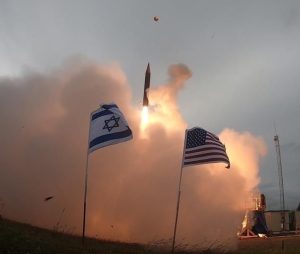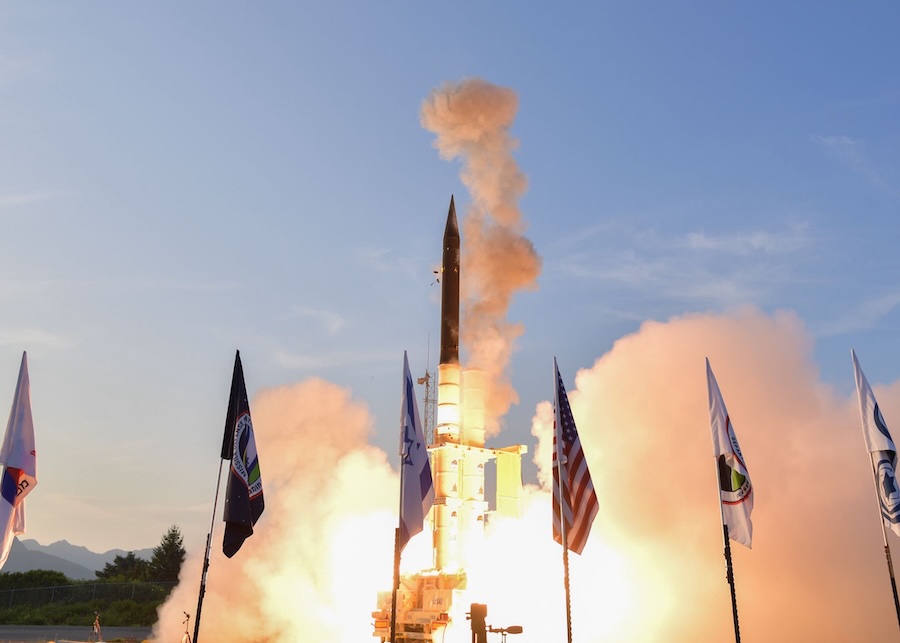


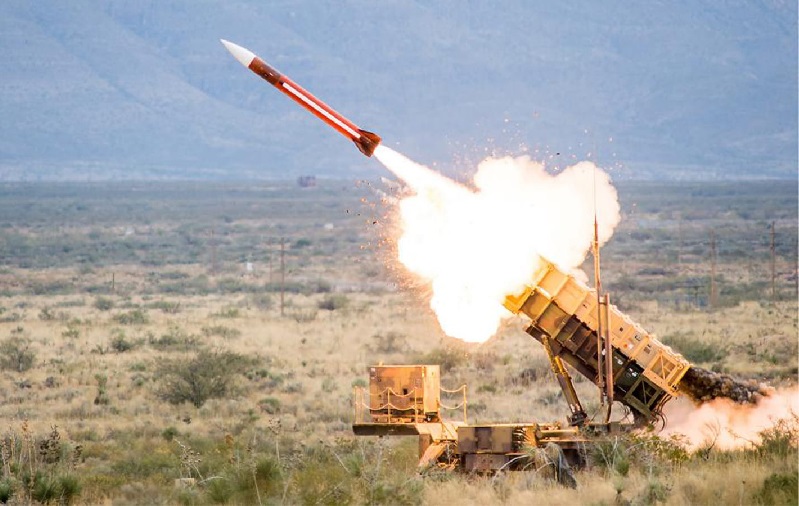
According to officials cited by The Wall Street Journal, the deployments include locations where U.S. troops are stationed such as Jordan, Kuwait, Bahrain, Saudi Arabia, and Qatar. The moves are notable because the U.S. military has only a limited number of operational THAAD batteries worldwide and deploying them requires extensive personnel and logistical support.
President Donald Trump has not announced a decision on military action against Iran, officials said. They added that limited U.S. strikes could draw a larger Iranian response, which would require stronger regional defenses to protect U.S. personnel and partners, including Israel.
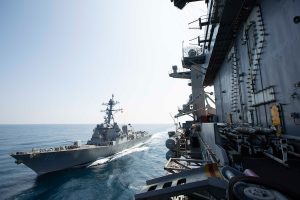
The U.S. Navy has multiple guided-missile destroyers in the region capable of intercepting missiles and drones, a Navy official said. The ships are operating near the Strait of Hormuz, in the North Arabian Sea, in the Red Sea near Israel, and in the eastern Mediterranean.
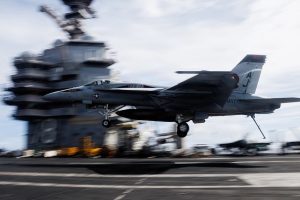
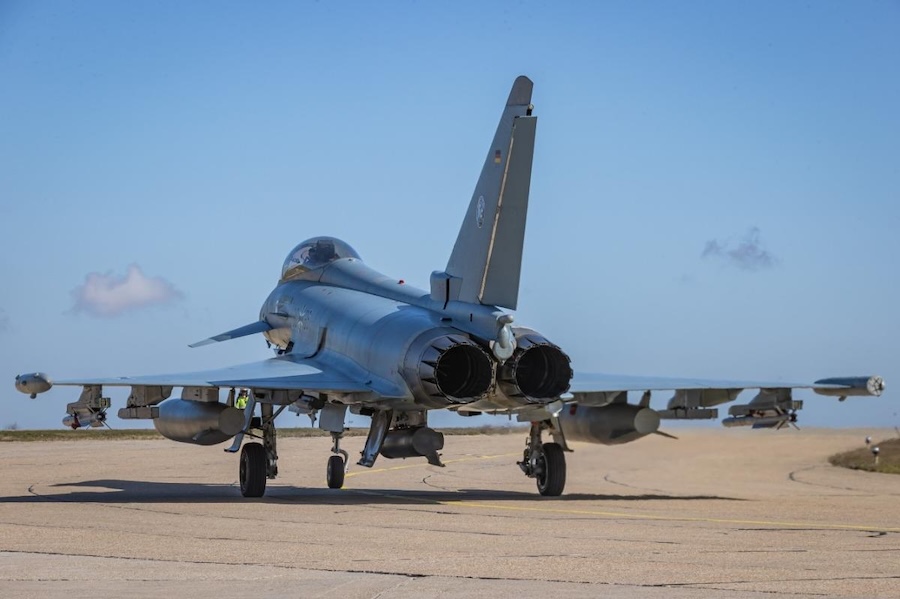
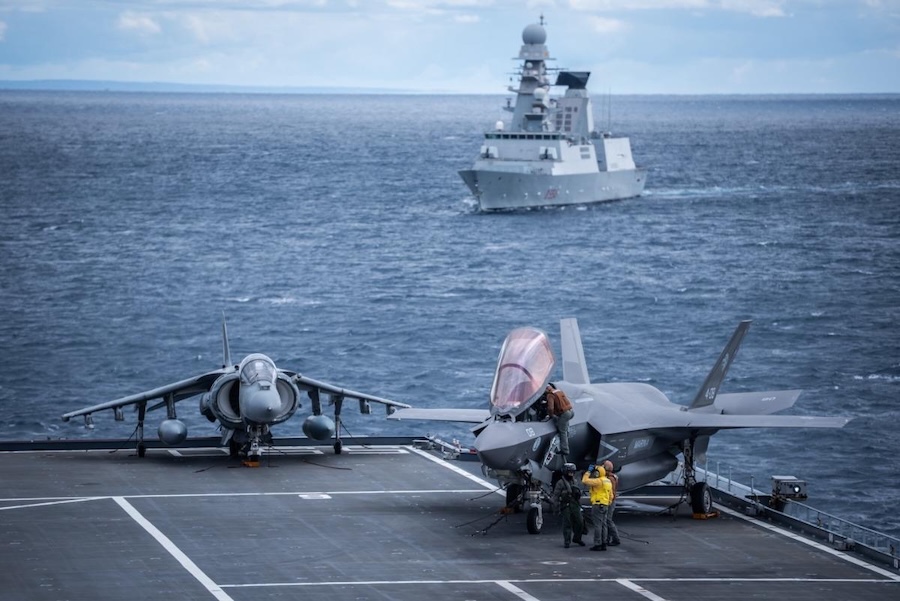
Additional airpower has been repositioned closer to the region, including F-15E fighter squadrons in Jordan and U.S. F-35 aircraft that recently transited Europe, officials said. Electronic warfare aircraft have also shifted forward, while US Central Command declined to comment on current deployments.
The renewed focus on air defenses follows heavy missile exchanges during last year’s 12-day war between Israel and Iran, during which U.S. forces helped defend Israel from Iranian missile and drone attacks. In a separate operation known as “Midnight Hammer,” U.S. forces struck three Iranian nuclear-related sites.
Iran later launched missiles at Al Udeid Air Base, which hosts a major U.S. air operations center, and U.S. and Qatari Patriot systems intercepted most of them. The Pentagon later acknowledged that one missile struck the base, causing minimal damage and no injuries.
Some Persian Gulf countries have publicly distanced themselves from any potential U.S. strike on Iran, with Saudi Arabia and the UAE saying they would not allow their territory or airspace to be used. At the same time, regional governments are strengthening their own defenses, and Saudi Arabia has purchased multiple THAAD systems, several of which have already been delivered, a Gulf official said.
In January, the U.S. military announced the creation of a new coordination cell at Al Udeid Air Base to improve cooperation on air and missile defense with Gulf partners. The Pentagon and Lockheed Martin also announced agreements to increase production of THAAD and Patriot interceptors, though officials said the expanded output would have limited impact in the event of near-term hostilities.
Source: Anadolu Agency.