

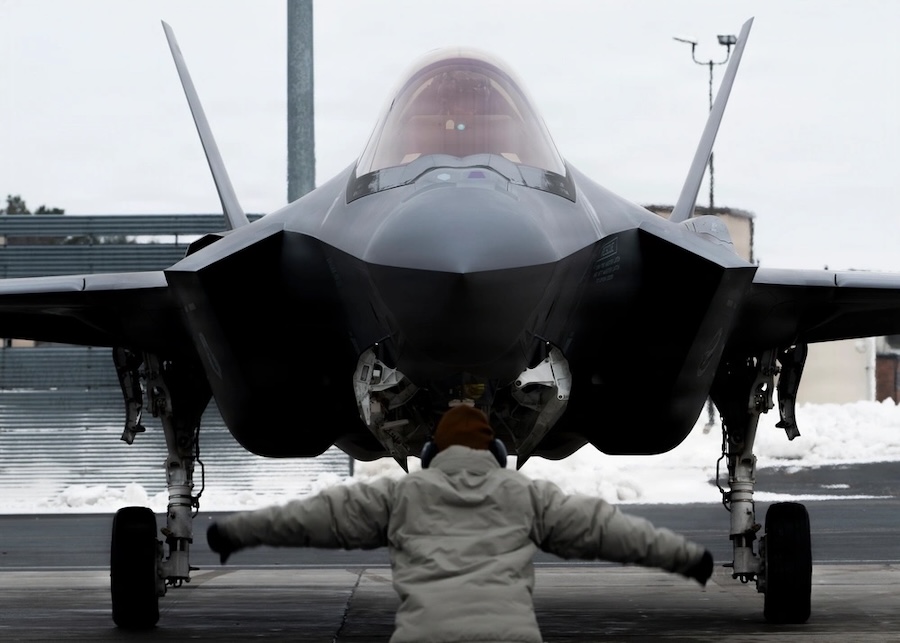
The deployment comes as the Trump administration has warned it could strike Iran if no agreement is reached to limit Tehran’s nuclear program. In response, the United States has increased airpower and air defense deployments across the Middle East and Europe.
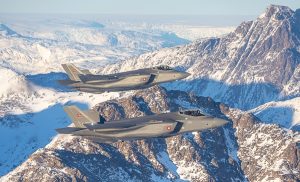
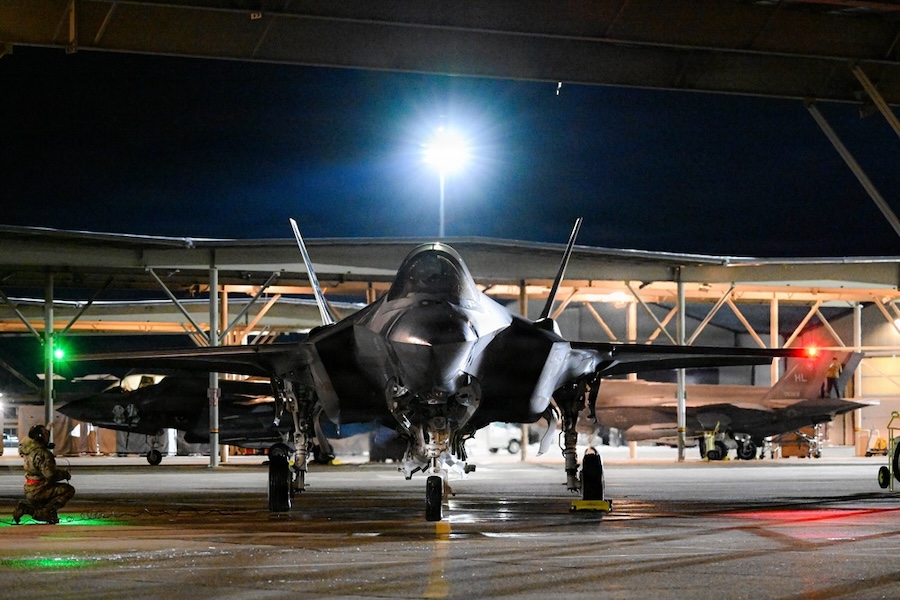
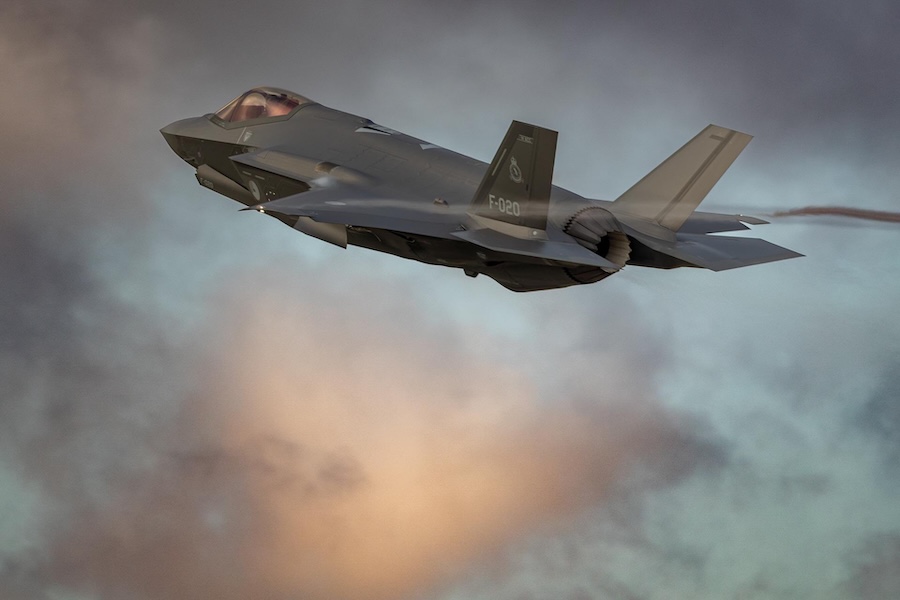
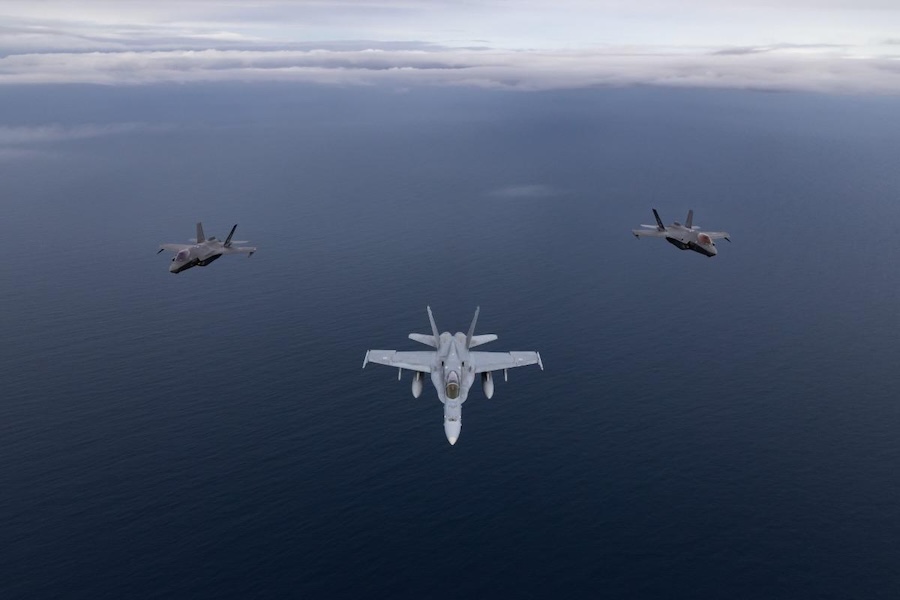
The F-35s belong to the Vermont Air National Guard’s 158th Fighter Wing and departed Burlington Air National Guard Base on Feb. 9 using the callsigns “Tabor 41” through “Tabor 46.” They were supported by three KC-135 Stratotanker refueling aircraft from Bangor Air National Guard Base, Maine, flying as “Gold 81,” “Gold 82,” and “Gold 83,” which later landed at RAF Mildenhall near Lakenheath.
The newly arrived jets add to six other F-35s from the same unit that previously moved to Spain after departing Puerto Rico last month, with a stop in the Portuguese Azores. The unit specializes in suppressing enemy air defenses and earlier this year took part in Operation Absolute Resolve, the U.S. mission to capture Venezuela’s former president Nicolás Maduro.
F-35As were also used last year to suppress Iranian air defenses and escort seven B-2 Spirit bombers during Operation Midnight Hammer, which targeted Iranian nuclear facilities. At the time, President Donald Trump said the United States had “obliterated” the sites, while Pentagon spokesman Sean Parnell later said the strikes had “degraded their program by one to two years.”
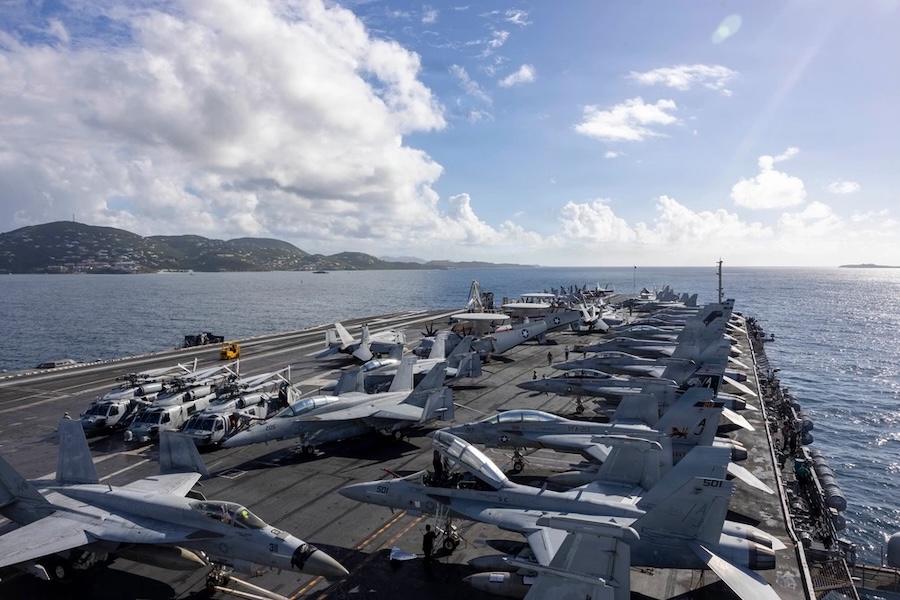
U.S. F-35s are already operating in the region from the aircraft carrier USS Abraham Lincoln, where one F-35C recently shot down an unarmed Iranian Shahed-139 drone that appeared to be heading toward the ship. The carrier also hosts Marine Fighter Attack Squadron 314 along with F/A-18 Super Hornets and EA-18 electronic attack aircraft.
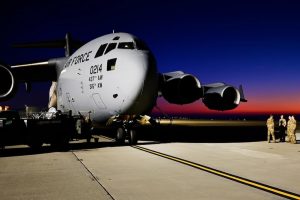
The U.S. military has not publicly acknowledged the latest F-35 arrival at Lakenheath, a common transit base for fighters heading to the Middle East. Last month, the base sent 12 F-15E Strike Eagles to the region, bringing the U.S. fighter presence there to five squadrons, alongside expanded Patriot and THAAD missile defenses and more than 100 heavy transport flights, according to tracking data.
Additional deployments include HH-60W Jolly Green II search-and-rescue helicopters, though it remains unclear whether they replaced existing units or increased overall rescue capacity. Some of the amassed airpower was shown during a military tribute before the Super Bowl on February 8, when F-15Es and Airmen from the 332nd Air Expeditionary Wing were broadcast saluting from a location identified only as the Middle East.
Source: Air & Space Forces Magazine.