The request reflects expanded demand for munitions used in ongoing operations in the Middle East. These weapons have been central to U.S. naval operations in conflicts involving Iran and Houthi forces in the Red Sea.
According to budget documents, the Navy is requesting 785 Tomahawk missiles. This represents a more than 1,200 percent increase from the 55 missiles funded in fiscal 2026.
The service is also seeking 540 SM-6 missiles, up from 166 in the previous year. Additional requests include 494 AIM-120 air-to-air missiles and 141 MK-48 heavyweight torpedoes.
Funding for the procurement is split between the base budget and reconciliation measures. The approach allows the Navy to spread acquisition over multiple years.
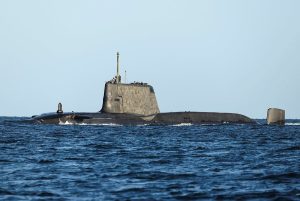
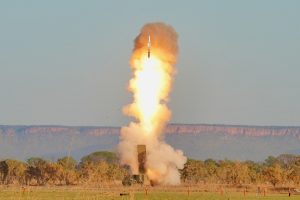
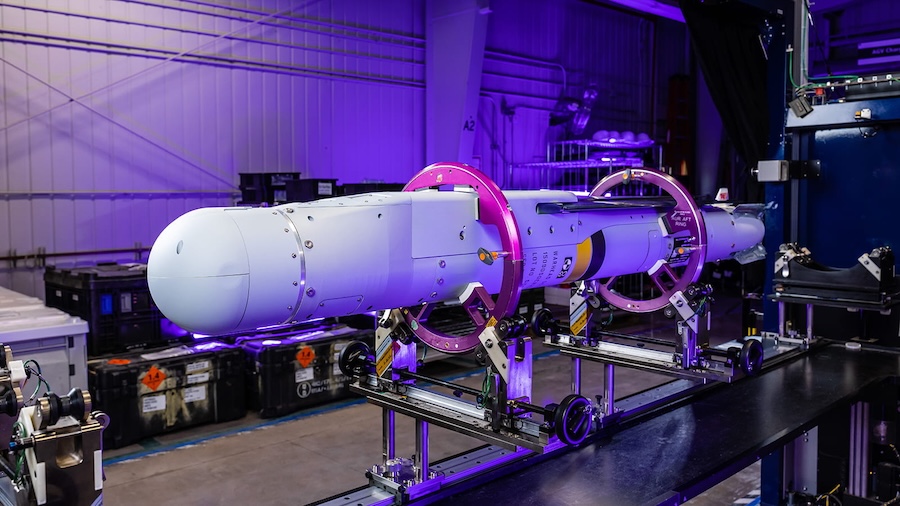
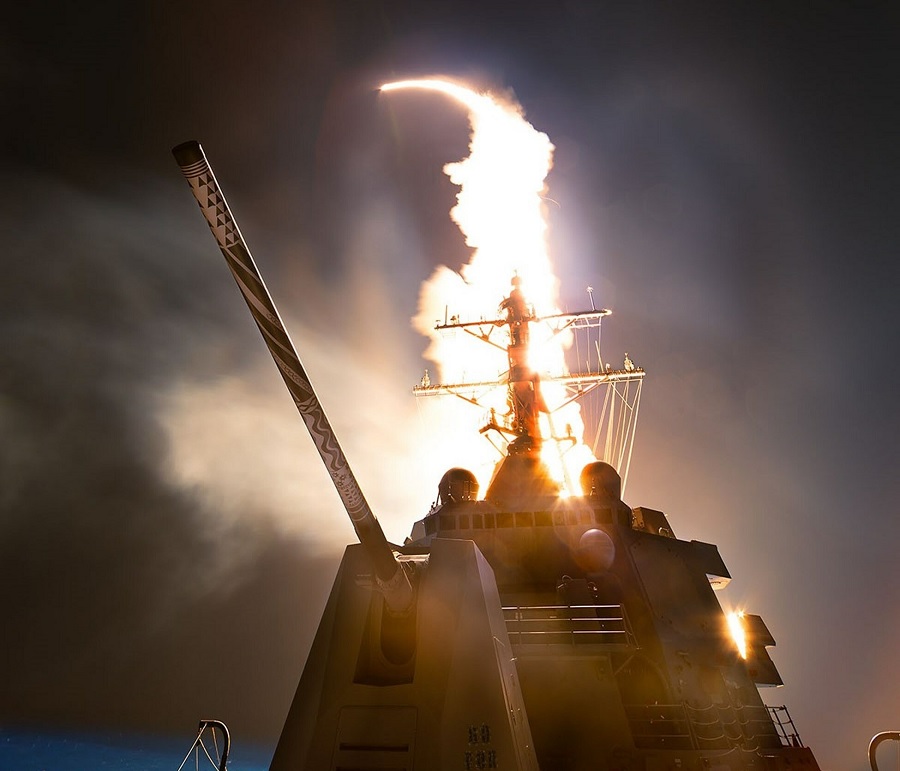
Tomahawk missiles are long-range precision weapons with a range exceeding 1,000 nautical miles. They are deployed from platforms including guided-missile destroyers, submarines and vertical launch systems.
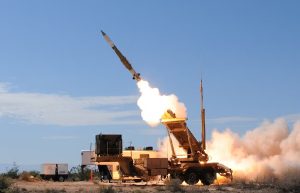
SM-6 missiles are designed for multi-role operations, including engaging aircraft, drones and cruise missiles. They serve as a primary defensive weapon for the Navy’s destroyer fleet.
The increased procurement comes amid concerns about the depletion of U.S. stockpiles. Officials have noted that extensive use of these weapons could affect readiness for other potential conflicts.
As of late last month, approximately 850 Tomahawk missiles had been used in Operation Epic Fury. Analysts said this is the highest usage in a single conflict since the Gulf War.
Todd Harrison, a senior fellow at the American Enterprise Institute, said the procurement targets are necessary but challenging. He said the United States “absolutely” needs to acquire these quantities but added there is “not a chance” the industrial base can currently support the plan.
Harrison said the reconciliation funding structure could allow for a more gradual acquisition timeline. “So they’re essentially pre-funding acquisitions of munitions,” he said.
“They’re frontloading the money, and then we’ll spend it out more slowly than is typical,” Harrison added. He noted that the approach could provide industry with longer-term visibility for production planning.
The Navy plans to procure 58 Tomahawks in the base budget and 727 through reconciliation funding. For SM-6 missiles, 106 are included in the base request and 434 in reconciliation.
Harrison said the strategy could support investment in production capacity. However, he cautioned that delivery timelines would remain constrained.
“The key is it doesn’t mean you’re going to get them any sooner,” he said. He added that production timelines for SM-6 missiles can exceed 36 months, while Tomahawk production can require more than two years of lead time.
“If the plan all along is, we’re going to frontload it, we’re going to go to industry, we’re going to sign big contracts and then give them the time they need to execute, but then they’ve got an assured order, then that works,” Harrison said.
“If the expectation was that no, we can get these delivered in the near term, that’s just not going to happen,” he added.
Source: USNI News.