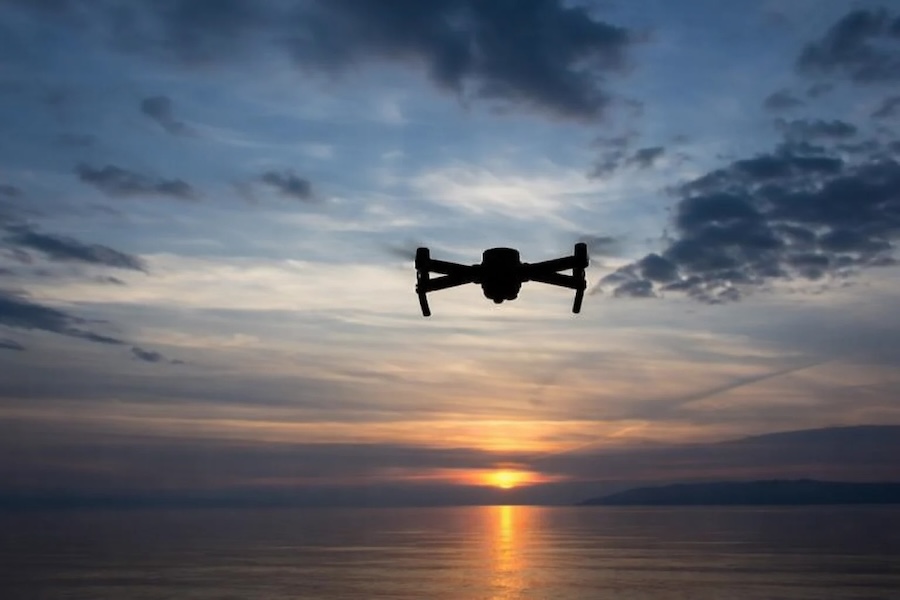
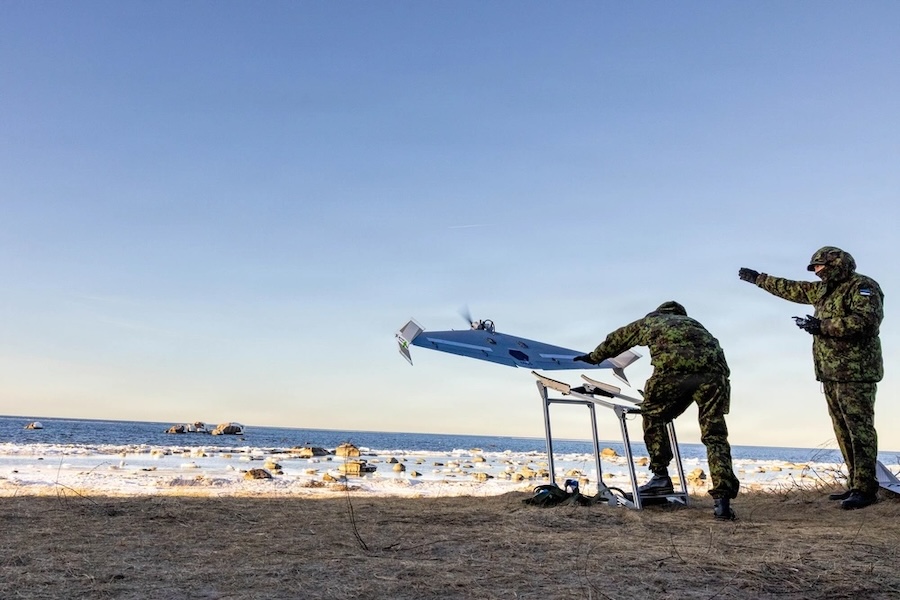
The training centres on integrating experimental counter-unmanned aerial system capabilities into operational networks. It also aims to strengthen cooperation between allied forces operating in the region.
US Army Capt. Micah Maule, plans officer for the 10th Army Air and Missile Defense Command, said the exercise is designed to integrate new systems into operational frameworks. He stated: “The objectives for Digital Shield are ensuring that we’re integrating experimental counter-UAS effectors and sensors into a scalable commercial cloud architecture, really building out the Eastern Flank deterrence initiative and ensuring that we can defeat mass momentum in the air domain.”
Exercise planners designed the scenario to replicate real operational conditions as closely as possible. Maule said: “The conditions for this exercise are as close to the operational environment as we can get.”
Participants operate in a contested environment during the training event. Simulated cyber disruptions and high operational stress are incorporated to test the performance of personnel and equipment.
According to Maule, the exercise was deliberately designed to take place where such operations are expected. He said: “The Estonian Defense Forces and 10th AAMDC designed this exercise really to execute exactly where we expect it.”
Digital Shield builds on more than a decade of cooperation between the United States and Estonia through Operation Atlantic Resolve. That effort has focused on strengthening interoperability and deterrence across NATO’s eastern flank.
The exercise also reflects the rapid evolution of modern battlefield technologies. Increasing numbers of drone platforms and new delivery methods have created additional challenges for air defence units.
Maule said the exercise is intended to keep pace with these developments. He stated: “The significance of Digital Shield is just the pace that we’re moving.”
He also highlighted the rapid training cycle used for the programme. Maule said: “This is the second iteration of Digital Shield, and we execute each one every 90 days.”
He added that the exercise encourages rapid testing and adaptation of new technologies. Maule stated: “It’s a very quick, very fast pace. We’re going to move fast, break things, and fix them fast in conjunction with our Estonian allies.”
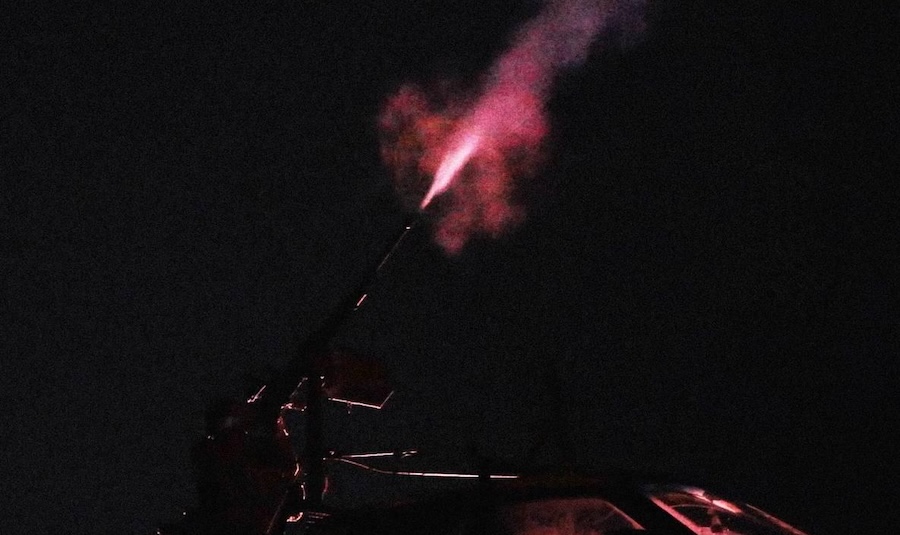
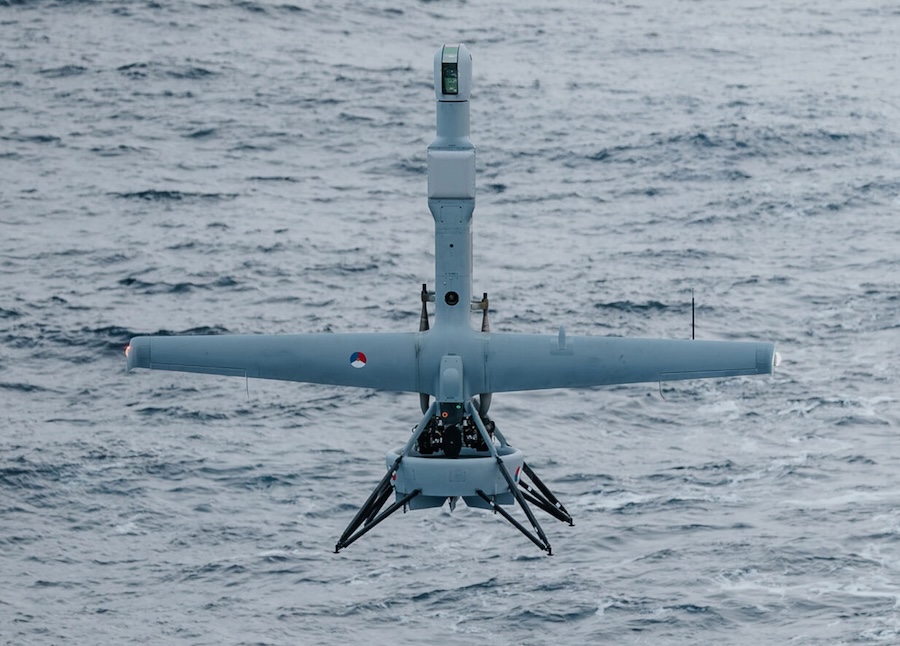
During the exercise, different teams perform specific roles to simulate operational conditions. Communications units establish networks for mission command, while drone teams and scouts simulate hostile aerial threats.
Air defence teams then test countermeasures against those simulated threats. Many of the technologies used during the exercise are commercially available systems adapted for military use.
Maule said the use of commercially available equipment reflects the growing accessibility of drone technologies. He explained: “With the proliferation of drones, they’re very cheap and very easy to produce.”
He added that the exercise is focused on finding affordable ways to counter such threats. Maule said: “So we’re looking at cost-effective solutions that can counter the mass amount of drones that we can expect to see.”
According to Maule, the technologies tested during the exercise could be applied globally. He stated: “The technology that we’re testing out here, just because we’re testing in Europe, it is exportable worldwide.”
He added that the systems could also support operations beyond Europe. Maule said: “We know that we can use these systems and these effectors in any operational environment, not just in Europe but also to defend the homeland through agencies like JIATF South.”
Throughout the exercise, US and Estonian personnel worked closely together to test systems and procedures. Maule emphasised the importance of cooperation between the two forces.
He said: “The Estonians have been absolutely world-class partners and allies through this entire exercise.” Maule added: “We’ve done everything in conjunction with them. They’ve been right there with us every single step of the way. We’re very proud to do this with the Estonian Defense Forces.”