
Yet Europe is persisting with an old, tired model. Why? Because it’s peaceful. Europe is the world’s single greatest peace project. A continent whose history has been marked by near-constant infighting decided, in the wake of two world wars, that enough was enough. A culture of peace prevailed. Disagreements were handled by politicians and rivalries were indulged on the football pitch. So allergic have we been to conflict that most defence budgets, until recently, have always been on the chopping block, and private investors still flinch at the notion of investing in military applications. Europeans should be proud of this. But we also have to recognise that at this moment in our history, the phrase ‘Si vis pacem, para bellum’ applies. If you want peace, prepare for war.
A small number of defence contractors dominate government procurement across the continent. Defence startups are treated as risky ventures rather than key contributors to national security. The industry moves slowly, costs a small fortune, and lacks anything like the speed needed for modern warfare. Across the Atlantic, in contrast, the opposite is true. Thanks to the Defense Advanced Research Projects Agency (DARPA), which backs high-risk but potentially high-impact projects, and the Defense Innovation Unit (DIU), which helps the military make faster use of emerging commercial technologies, the US military benefits from highly innovative technology. Small firms, which receive more than a quarter of all US defence contracts, are given the breathing room to ‘fail fast’ and develop the tools of tomorrow. Downstream of this are countless innovations with civilian applications. Boston Dynamics came about because of defence spending.
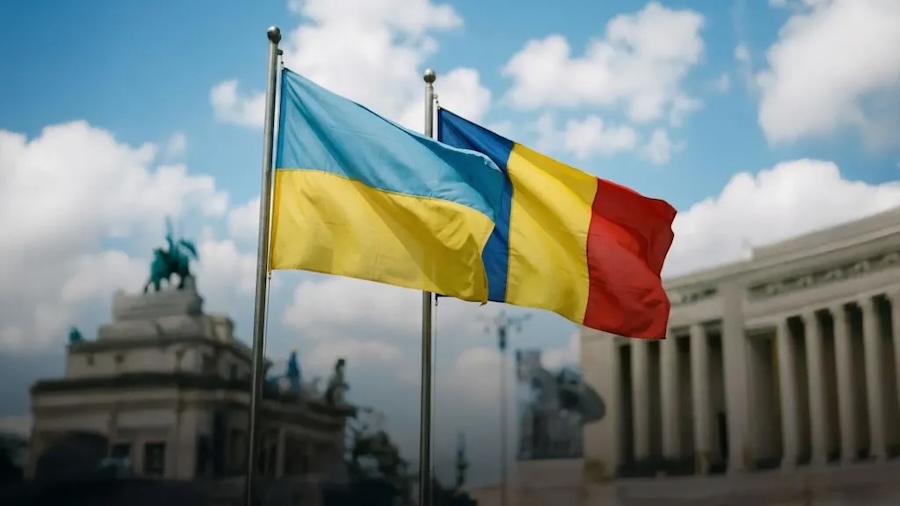
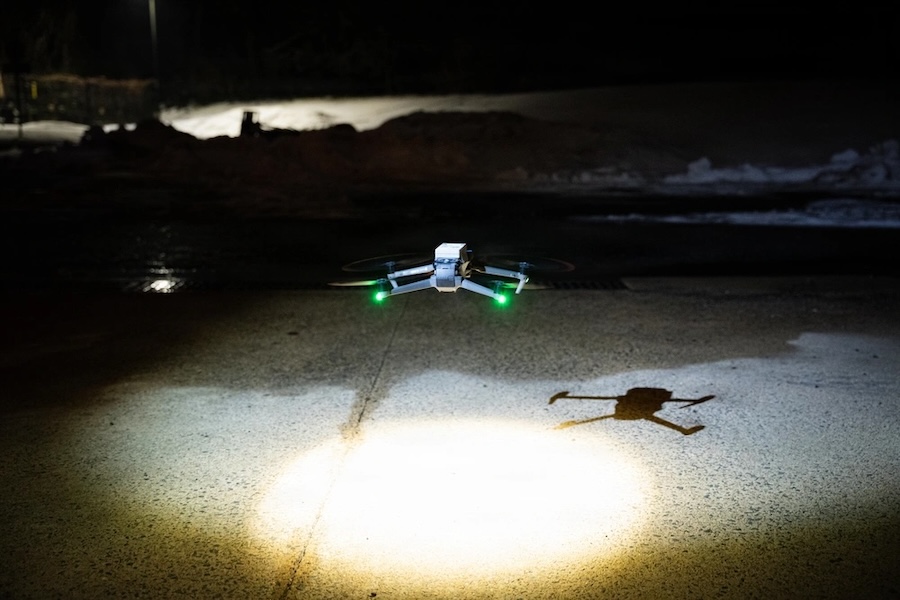
This is to be expected from the world’s greatest military power. But in countries that have found themselves embroiled in conflict, we see the same thing. In Ukraine, necessity has been the mother of innovation, forcing the government to direct generous and sustained funding towards any entrepreneur or small business with creativity and initiative. The result is technology, designed and programmed by new graduates, capable of eliminating technologically inferior enemy vehicles and equipment. It’s sometimes called the ‘drone revolution’. In the face of a far larger and better-equipped adversary, Ukraine has built a defence-tech ecosystem that shows that rapid innovation, adaptability and the integration of private-sector experience can put smaller countries on a level playing field with bigger ones. This is a lesson Europe can’t ignore.
What would it mean for Europe to learn this lesson? It would mean pursuing joint procurement and putting regional security above national interests and fairness, thereby avoiding a ridiculous situation where there are a number of different systems designed for the same tasks and yet incompatible with one another. It would incentivise startups all over the continent to compete for lucrative contracts, and that competition would burn off inefficiencies, increase quality and bring down costs. It would mean closing supply chains with clear and obvious gaps that would prevent materials from getting where they need to in the event of conflict. And it would mean having the courage to invest in ambitious, creative companies before they’ve proven themselves.
In Europe, the government must become an enabler, not a controller, of the defence innovation process. Instead of relying solely on traditional procurement systems, it must foster a public–private partnership that accelerates the creation and deployment of new forms of technology. It must use its imagination, as Ukraine has done, strengthening cooperation between the military and the developers to refine technology. The BRAVE1 initiative lets Ukraine’s front-line forces give real-time feedback to developers, which makes sure that all new technology is battlefield-tested and refined at record speed.
This would be a start, and help to close the widening defence gap between Europe and the competition. Europe is a highly innovative region with world-class universities and research centres and a tradition of free-thinking that has produced some of the finest minds in the world. It’s time to empower these visionaries, their companies, and their groundbreaking innovations to take center stage. That needs to happen now.