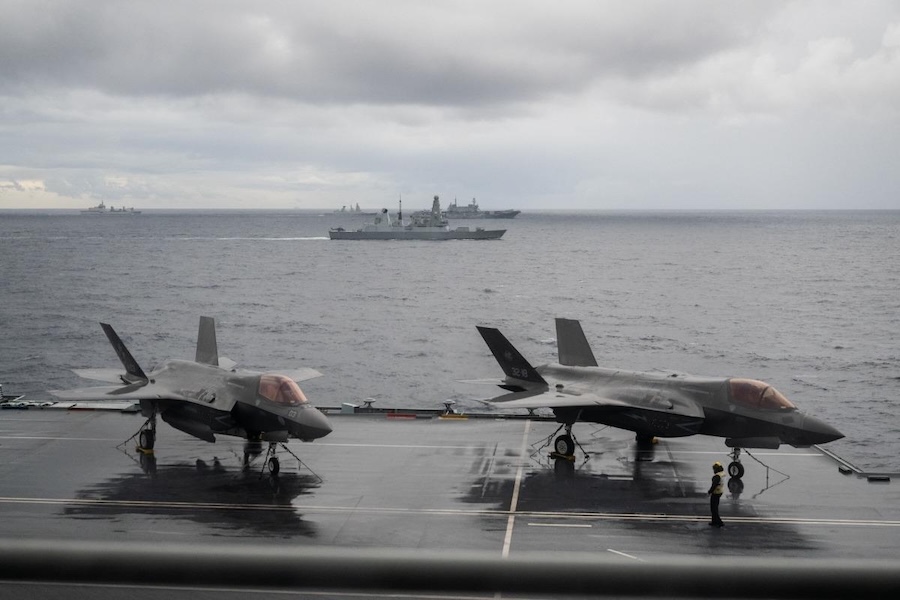




Equipped with the most advanced sensor suite ever fielded on a fighter, F-35 pilots serve as “quarterbacks in the sky,” collecting and distributing data across the battlespace to strengthen the effectiveness of the wider force. “The F-35 is really like a giant sensor,” said U.S. Air Force Lt. Col. Hunter Grunden. “It absorbs a lot of information, both infrared and electronic, so the more F-35s that are operating together, the better picture it can build for us as pilots in the airframe.”
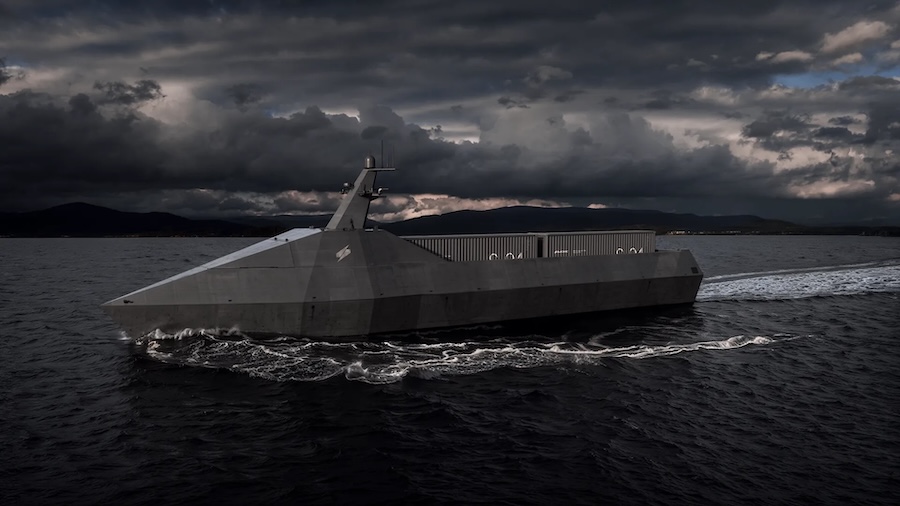
The aircraft’s ability to integrate with uncrewed systems, artificial intelligence, and other technologies is a core part of its design for future joint operations. F-35s have consistently demonstrated their ability to connect and coordinate with drones and external platforms, boosting the situational awareness and lethality of allied forces.

In an era of increasingly complex and dynamic air domains, the role of piloted aircraft like the F-35 remains indispensable. By connecting assets across the battlespace and leveraging next-generation technologies, the F-35 ensures that the U.S. and its allies remain dominant in contested skies.
Source: f35.com.