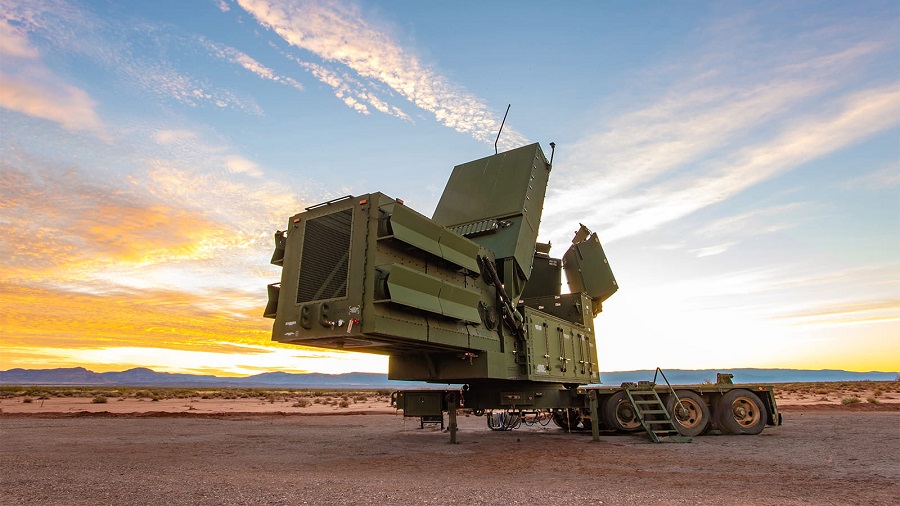



The architecture includes a space-based sensing and targeting layer for missile warning and tracking, alongside land-based layers with missile interceptors, radar arrays and potentially lasers. A new large missile field, apparently in the Midwest according to a map in the slides, would host Next Generation Interceptors made by Lockheed Martin, forming part of the “upper layer” with THAAD and Aegis systems.
The NGI will modernise the Ground-Based Midcourse Defense network, currently operating from launch sites in southern California and Alaska, with the new Midwest site intended to address additional threats. Technical issues identified in the slides include communication latency across the “kill chain” of systems, with major defence contractors such as Lockheed, Northrop Grumman, RTX and Boeing involved in the programme.
Congress has so far approved $25 billion for Golden Dome in Trump’s July tax-and-spend bill, with a further $45.3 billion requested in his 2026 budget proposal. “They have a lot of money, but they don’t have a target of what it costs yet,” said one U.S. official.
The Pentagon said it is gathering input “from industry, academia, national labs, and other government agencies for support to Golden Dome” but added it would be “imprudent” to release further details at this stage. Space Force General Michael Guetlein, confirmed to lead the project on 17 July, has 30 days to assemble a team, 60 days to deliver an initial design, and 120 days to present a full implementation plan, according to people briefed on a memo signed by Defence Secretary Pete Hegseth.
Source: Reuters.